Choosing among China’s top 10 Micro Usb Charging Cable suppliers requires more than comparing prices. It demands evidence, testing, and careful supplier verification. Micro USB remains widely used in older smartphones, digital cameras, GPS units, Bluetooth speakers, power banks, and industrial devices. USB Type-C dominates new product launches, yet replacement demand keeps Micro USB commercially relevant.
Industry data supports this practical view. Grand View Research estimates that the global USB cable market was worth approximately USD 36 billion in 2023, with steady growth projected through 2030. However, market reports use different definitions, including connectors, charging leads, and complete cable assemblies. The figures are not perfectly comparable. That matters when judging supplier claims.
Jeff Ravencraft, president and chief operating officer of the USB Implementers Forum, described USB Type-C as “the emerging industry standard connector for delivering data and power.” His observation highlights an important limitation: Micro USB suppliers must serve today’s installed base while preparing buyers for changing connector standards.
Quality is visible in small details. Look for reinforced strain relief, copper conductor size, shielding, stable connector plating, and documented cycle testing. A cable that feels soft may still fail near the plug after repeated bending. Fast charging claims also require scrutiny, because current ratings depend on cable construction, charger output, and device design.
This guide compares China-based suppliers through manufacturing experience, quality controls, customization ability, certifications, and export reliability. Some rankings remain subjective. That is unavoidable. Buyers should request samples, inspection records, and test reports before placing large orders.
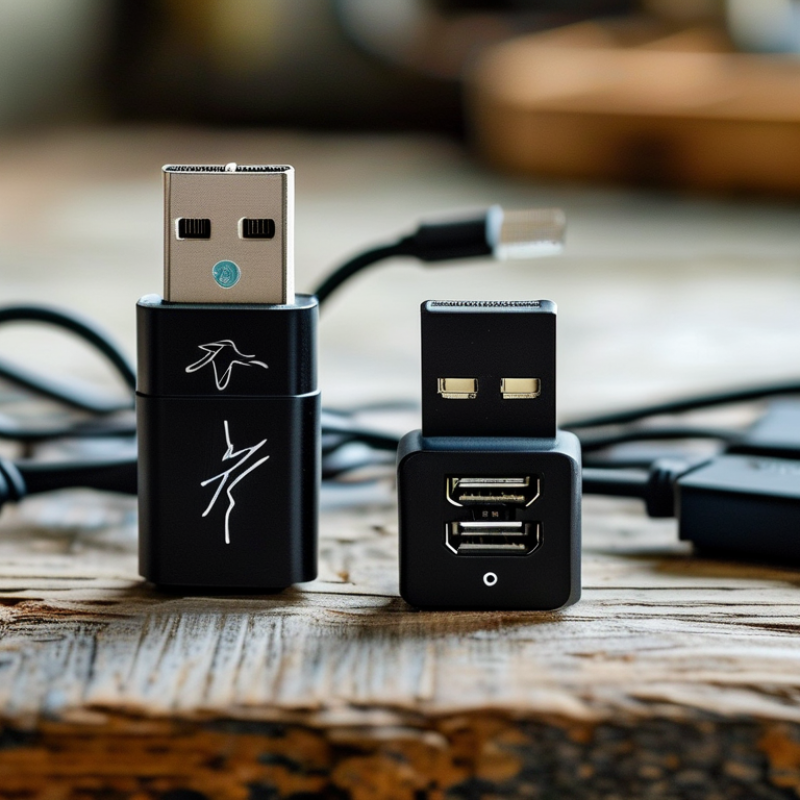
A Micro USB charging cable connects older phones, cameras, speakers, and other compact devices to a power source. Its small, trapezoid-shaped plug fits only one way. The connector usually contains five contacts. Power travels through dedicated wires, while other wires may carry data. That difference matters. Charging is not the same as fast charging. Actual speed depends on the device, charger, cable quality, and electrical resistance. Many older devices accept modest power levels, so a thicker cable cannot automatically create faster charging.
When comparing Chinese suppliers, request samples before placing a large order. A reliable sample should have a firm connector, even molding, and flexible strain relief. Look closely at both plug ends. Gaps, sharp plastic edges, or loose metal may signal weak assembly. Flex the cable near each connector several times. A loose plug can interrupt charging when the device moves. Cable length also affects performance. Longer cables can produce more voltage loss, especially when internal conductors are thin. Do not judge by appearance alone.
For regular procurement, ask suppliers for conductor materials, wire gauge, connector specifications, and production inspection records. The supplier should clearly state whether the cable supports data transfer or charging only. Testing should include repeated plugging, bending, and charging under normal load. It is easy to overstate durability. One successful test proves little. A cable that works on my desk may fail in a dusty workshop. I would record test conditions, defects, and delivery consistency before trusting a supplier.
: It connects older phones, cameras, speakers, and compact devices to power sources. Its trapezoid-shaped plug fits one way only. Some cables also transfer data.
No. Charging speed depends on the device, charger, cable quality, and electrical resistance. A thicker cable cannot overcome every device limitation. Fast charging is different.
Check both plug ends carefully. Look for even molding, firm connectors, flexible strain relief, and smooth plastic edges. Avoid visible gaps or loose metal parts.
Flex the cable near each connector several times. Plug it repeatedly into a compatible device. Charging should not stop when the cable moves. One successful test proves little.
Yes. Longer cables can create greater voltage loss. Thin internal conductors make this problem worse. A one-meter cable may perform differently from a longer version.
Ask for conductor materials, wire gauge, connector details, and inspection records. Confirm whether the cable supports data transfer or charging only. Product photos are not enough.
Test the cable with a compatible device and file-transfer task. Some charging cables carry power but transfer no data. Performance can vary between samples.
Test repeated plugging, bending, charging, contact resistance, and operating temperature. Record dusty or workshop-like conditions when relevant. A clean desk test may hide weaknesses.
Some factories offer molded markings, color matching, packaging, and smaller minimum orders. Others prefer high-volume standard production. Always confirm samples before ordering extensively.
Compare sample quality, test records, defect rates, and delivery consistency. Check whether claimed certifications cover the exact product. I would still verify everything independently.
This guide explains what a Micro Usb Charging Cable is, including its common Micro-USB connector design, charging performance, data-transfer capability, durability, and compatibility with older electronic devices. It also presents a practical approach to evaluating Chinese suppliers by examining product quality, material selection, connector reliability, testing procedures, customization options, production capacity, communication, pricing, minimum order quantities, and delivery performance.
The overview compares ten leading categories of Chinese suppliers without focusing on brand names, highlighting differences in manufacturing scale, specialization, cable construction, certification support, customization services, and ability to handle small or bulk orders. It concludes with a clear supplier-selection framework to help businesses match their requirements with the right partner. By defining technical specifications, target costs, order volume, quality expectations, packaging needs, and shipping arrangements in advance, buyers can reduce sourcing risks and establish a dependable supply relationship.

 ELITE POWER