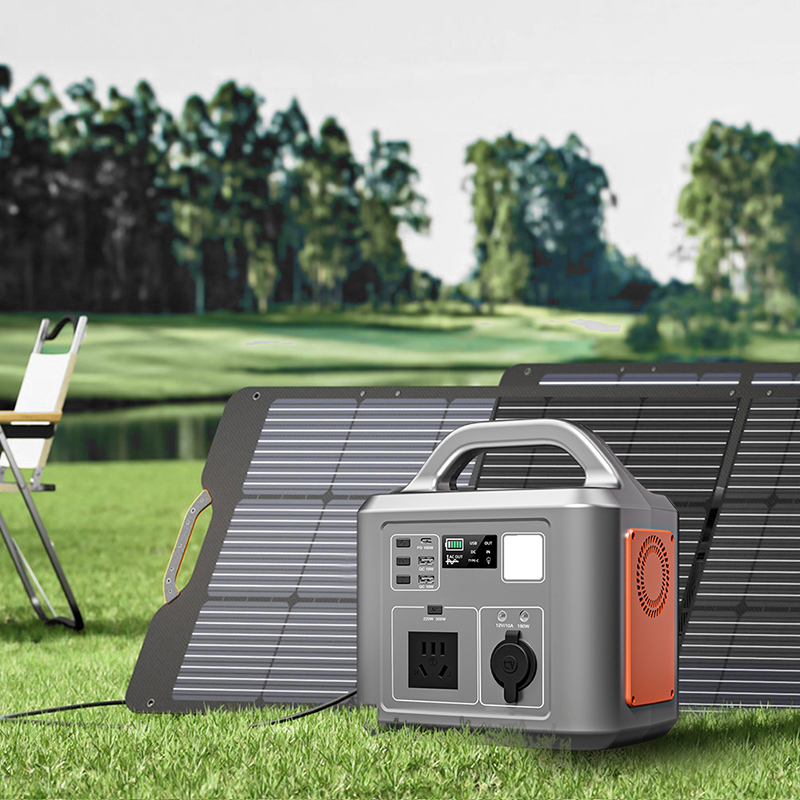
ELITE POWER, a subsidiary of GRACE DEVELOPERS CO., LIMITED, operates advanced design and production branches in Hong Kong, Shenzhen, and Dongguan, China. As a vertically integrated new energy enterprise, we unite scientific research, structural design, automated manufacturing, and global sales channels. Our core focus centers on intelligent green energy storage systems (ESS) engineered to satisfy rigorous international standards.
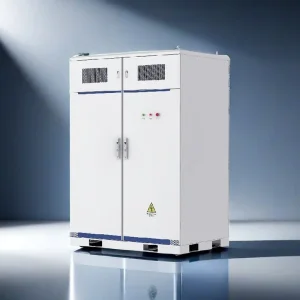
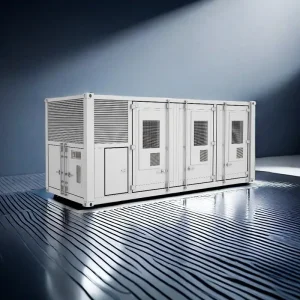
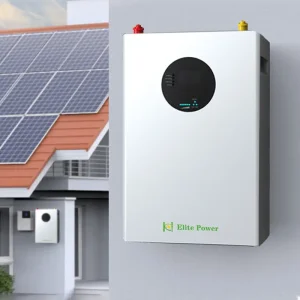
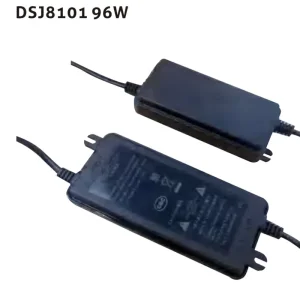
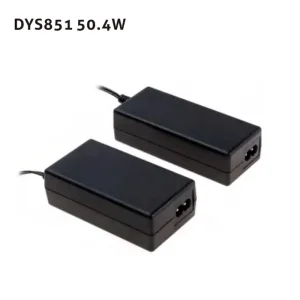
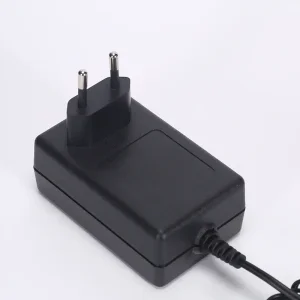
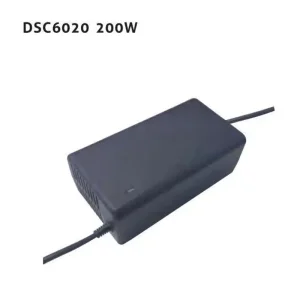
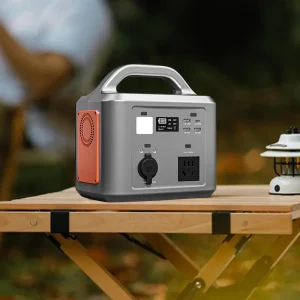
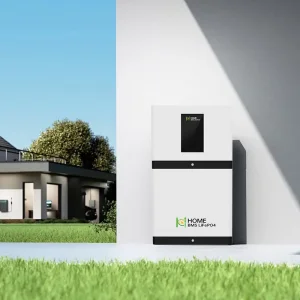
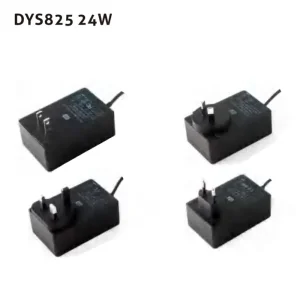
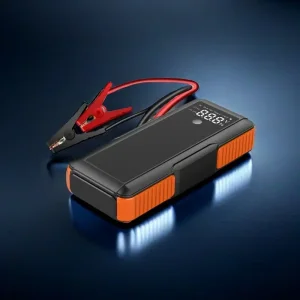
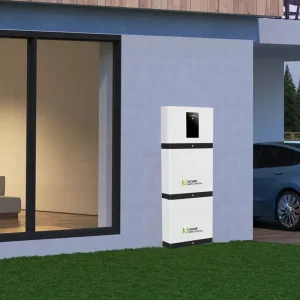
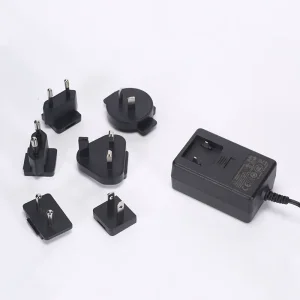
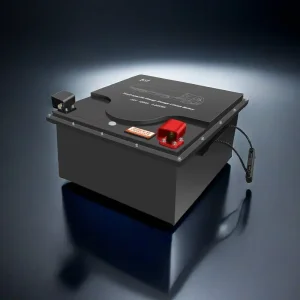
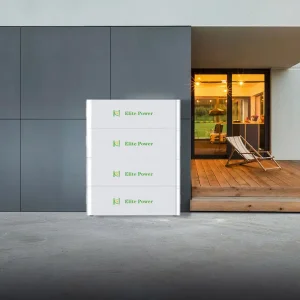
Our comprehensive portfolio ranges from residential wall-mounted units (10.24kWh) and modular all-in-one home storage (5kWh/10kWh) to large-scale utility-grade industrial and commercial cabinets (215kWh) and full-scale 20ft containerized storage facilities (1MWh-2MWh). Supporting this power ecosystem, we produce medical-grade power adapters, super capacitor jump starters, vehicle stop-start batteries, and portable charging systems.
We adhere to strict operational standards across our production chains. In 2022, we solidified a key strategic cooperation agreement with established United States partners, allowing us to actively co-develop optical storage systems, utility-grade commercial cabinets, and heavy-duty truck auxiliary start batteries for the North American market.
We operate with honesty, transparency, and strict adherence to contract criteria in all commercial and engineering dealings.
Dedicated R&D cycles targeting high-efficiency thermal balancing, smart energy management (EMS), and high-density cell packing.
Continuous performance optimizations from cell sourcing through structural engineering to after-sales grid-integration support.
Fostering deep partnerships via reliable localized technical documentation, certificate acquisition, and volume cost stability.
Commercial and Industrial (C&I) sectors consume over 50% of the world's generated electricity. Fluctuating grid capacity, rising demand charges, and international mandates for decarbonization have forced enterprises to integrate localized energy storage. Modern C&I Energy Storage Systems (ESS) enable companies to secure reliable backup power while dynamically interacting with local grids for financial incentives.
In North America and Europe, grid congestion and fluctuating energy pricing models have accelerated demand for localized backup infrastructure. In high-demand zones, demand charges can constitute up to 30% to 50% of a commercial facility's total energy bill. Integrating modular 215kWh cabinets or large-scale 1MWh containers mitigates peak usage fee tiers by deploying stored power when commercial tariffs spike.
The primary driver for C&I storage adoption has shifted from simple emergency backup to active financial yield optimization through Levelized Cost of Storage (LCOS) reduction.
The efficiency of battery manufacturing relies heavily on geographic material supply clusters. By basing our primary production facilities within the Pearl River Delta (Dongguan and Shenzhen), ELITE POWER capitalizes on local, direct raw material channels. This integration minimizes lead times for LFP (Lithium Iron Phosphate) cell matching, structural frame components, high-density copper busbars, and integrated BMS modules.
This geographical concentration ensures rigorous quality controls at lower baseline production costs compared to fragmented supply chains. We deploy automated cell sorting, automated laser-welding lines, and multi-day cyclic environmental chamber aging tests to guarantee that every C&I storage module delivers sustained cycle lifespans (exceeding 6,000 charge/discharge cycles at 80% Depth of Discharge).
For manufacturing plants, processing facilities, and high-energy cold storage warehouses, load profiles frequently spike. A modular 215kWh cabinet configuration monitors load requirements in real-time, discharging stored energy during peak tariff hours.
In countries implementing time-of-use (TOU) tariffs, dual-charge/dual-discharge cycles let facilities store low-cost energy overnight and deploy it during high-rate intervals, generating direct, measurable operational savings.
Remote agricultural cooperatives, islands, and mining zones require microgrid designs. ELITE POWER's 1MWh to 2MWh containerized solutions act as the central hub for local solar arrays and wind turbines.
Equipped with grid-forming inverters and high-speed energy management system (EMS) software, our microgrid solutions maintain voltage stability, mitigate renewable energy intermittency, and prevent localized outages.
Integrating High-Power EV charging points puts severe stress on local distribution grids. Incorporating stationary battery storage balances localized demand.
By buffering energy in our commercial storage units, charging stations can supply instantaneous high currents to vehicles without upgrading expensive substation transformers or incurring penalty fees from regional grid operators.
As capacity density rises, traditional air-forced cooling is being replaced by liquid cooling loops. Liquid cooling reduces internal cell temperature variance to under 3°C, extending overall lifecycle profiles by 20% and preventing localized thermal hotspots.
Advanced Energy Management Systems (EMS) use machine learning to forecast localized factory load curves and weather patterns. These systems orchestrate charge cycles dynamically and aggregate stored capacity into profitable Virtual Power Plants (VPP).
Transitioning system architecture from 1000V to 1500V reduces cable cross-section requirements and auxiliary energy losses. This improves round-trip energy conversion efficiency while decreasing overall installation and integration expenses.
Corporate procurement of grid-scale or industrial storage is complex, requiring careful balance of safety certifications, performance assurances, and long-term financial returns. System lifetimes must exceed 10 to 15 years to align with corporate capital expenditure plans. Procurement officers must evaluate several key performance indicators when qualifying manufacturers:
Levelized Cost of Storage (LCOS) measures cost per MWh of energy throughput over the system's lifetime. High LCOS makes project approvals difficult. Achieving low LCOS requires combining grade-A cells, robust system thermal management, and competitive initial manufacturing costs.
Regulatory compliance remains critical. C&I installations require strict adherence to local electrical codes. High-quality systems must carry recognized international certifications:
 ELITE POWER