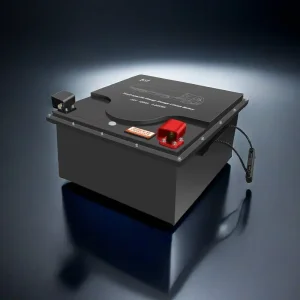
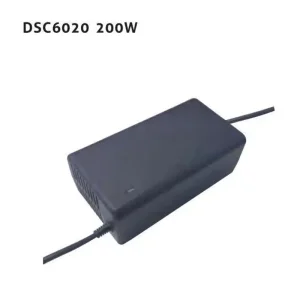
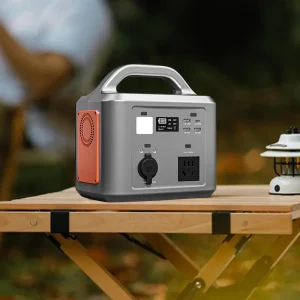
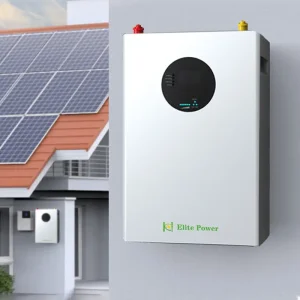
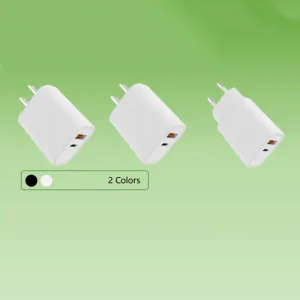
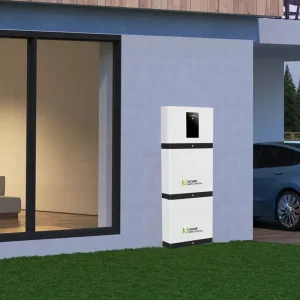
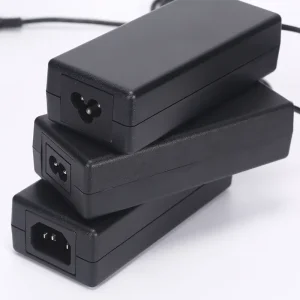
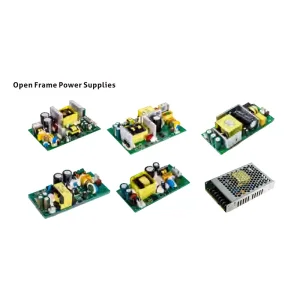
High-performance custom solutions spanning charging architectures, LiFePO4 packs, and dynamic industrial power supplies.
The technical architecture of modern OEM/ODM charging and signal cables, analyzed from a global compliance perspective.
As regulatory frameworks worldwide—most notably the European Union’s common charger mandate—consolidate electronic interfaces into the USB Type-C standard, the landscape of B2B wire and cable sourcing has drastically changed. The transition does not simply require replacing physical plug profiles; it demands complete redesigns of signal trace routes, power delivery safety margin parameters, and internal chipset integration. Modern USB-C cables must handle up to 240W (EPR - Extended Power Range) under the PD 3.1 protocol, requiring certified E-Marker (Electronic Marker) chipsets to negotiate voltage and current levels between source and sink devices.
For brands seeking high-volume OEM/ODM partnerships, understanding the technical difference between raw physical cables (e.g., standard PVC charging-only cables) and high-speed data cables (e.g., USB4 or Thunderbolt-compatible lines) is essential to avoiding liability, device degradation, and port failures at the end-user stage.
Despite the rapid adoption of USB-C, millions of legacy and active Apple products rely on the Lightning connector. Developing reliable OEM Lightning cables requires strict adherence to Apple's MFi (Made for iPhone/iPad) program. Sourcing unauthorized cables leads to warning prompts ("This accessory may not be supported") and endangers consumer safety. Sourcing from certified manufacturers ensures access to original Apple-supplied ICs, such as the C94 connector (used for USB-C to Lightning Fast Charging) and the legacy C48/C89 connectors.
Sourcing managers must verify that their factory operates with active MFi account credentials and uses precise mechanical tools for component soldering. Quality controls should include systematic overmolding processes to prevent common mechanical issues like collar peeling and joint degradation.
Industrial-grade cables require more than high-quality copper core wires. When specifying custom wire harnesses or bulk cables, engineers look at cross-sectional structures:
ELITE POWER is a subsidiary of GRACE DEVELOPERS CO., LIMITED, with branches in Hong Kong, Shenzhen, and Dongguan, China. As a green energy manufacturing enterprise, we integrate research, design, production, and sales to offer intelligent power solutions.
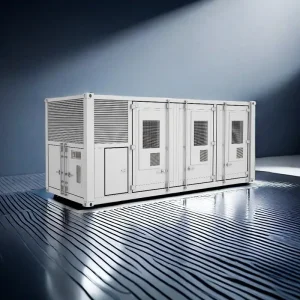
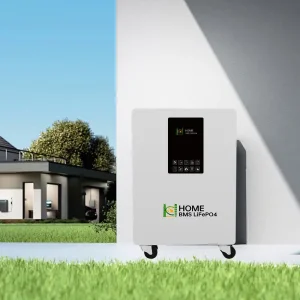
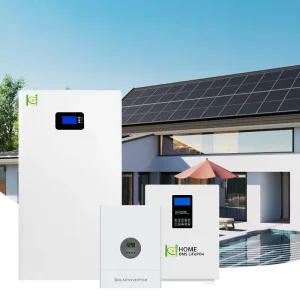
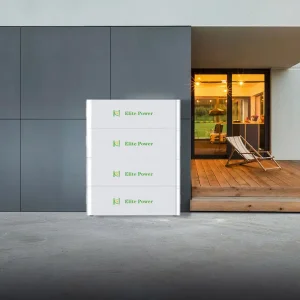
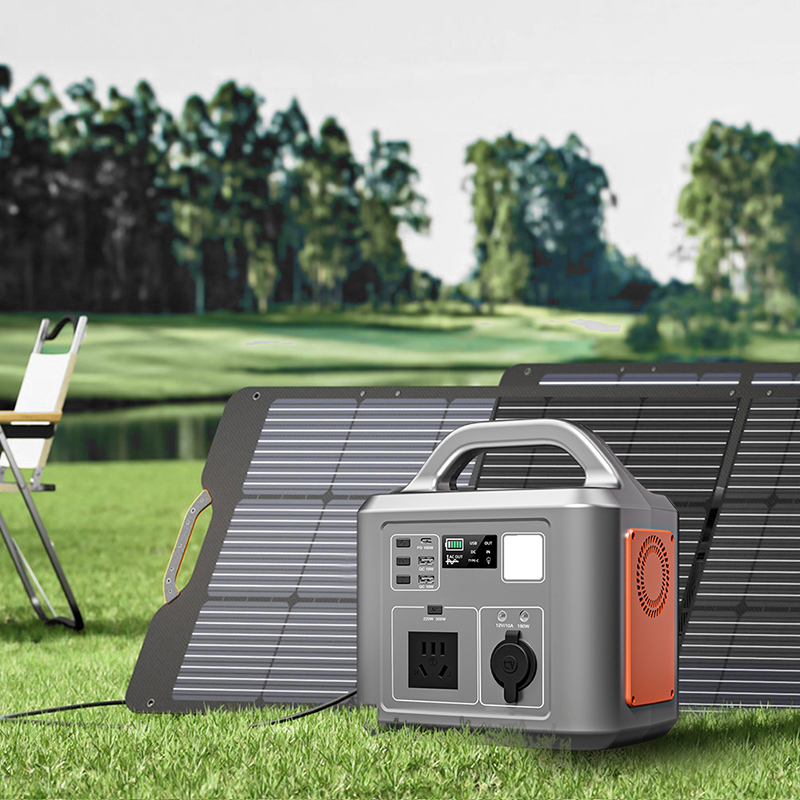
Our diverse portfolio includes household energy storage systems, industrial and commercial energy storage cabinets, containerized storage, supercapacitor jump starters, portable power stations, heavy-duty truck LiFePO4 batteries, and built-in furniture battery packs. Extending this manufacturing expertise, our cable division delivers high-grade OEM USB-C and Lightning connectivity products, providing reliable energy and data distribution.
Operating in South China’s tech hubs allows us to source raw materials efficiently, execute reliable tooling processes, and maintain strict quality standards across all production stages.
We maintain quality management standards certified to ISO 9001:2015 and environmental systems certified to ISO 14001:2015. In 2022, we established a strategic partnership in the United States to develop the optical storage, charging infrastructure, and heavy truck parking battery markets.


How automated assembly, precision engineering, and structured quality testing ensure reliable OEM/ODM performance.
Modern cable manufacturing relies on high automation to ensure consistent quality. Our South China production facilities feature cleanrooms and automated machinery that handle cable stripping, laser welding, overmolding, and housing assembly with minimal human contact.
Automated laser welding machines attach the copper conductor to the connector PCB, ensuring uniform solder joints. This prevents cold joint defects and reduces impedance deviations, keeping the cable within target specifications.
Every production batch undergoes a comprehensive testing protocol to verify mechanical durability, electrical performance, and safety compliance:
| Testing Standard | Methodology | Target Benchmark |
|---|---|---|
| Mating Cycles Test | Automated insertion/extraction under load. | >10,000 insertion cycles. |
| Flexing/Bending Durability | Continuous +/-90° oscillation with weights attached. | >30,000 cycles without resistance change. |
| Salt Spray Test | Exposure to a saline atmosphere to check corrosion resistance. | 48 hours min (up to 96 hours for high-end options). |
| Time Domain Reflectometry | Verifies signal levels and locates impedance anomalies. | 90Ω +/- 15Ω characteristic impedance. |
Given global supply chain constraints and trade policy shifts, we use a proactive raw material sourcing model. Our partnerships with raw copper mines and chemical companies in South China ensure stable prices for basic raw materials. We also maintain buffer stocks of critical chips (like MFi components and E-Markers) to keep production schedules on track, even during peak industry seasons.
By producing plastic housings, connectors, and outer cable jackets in-house, we control costs and reduce manufacturing cycle times, delivering quality products to our global partners.
Our interconnect products are designed to meet the demands of diverse industrial environments and consumer lifestyles.
Custom flat-ribbon USB-C power lines designed to fit within modern desks, beds, and modular furniture. Engineered with flame-retardant outer jackets and compact right-angle connectors, these cables fit easily into restricted spaces.
Reinforced connectivity systems for heavy vehicles, taxis, and public transit fleets. These products feature coiled jackets that stretch without losing shape and are designed to handle voltage fluctuations and continuous vibration.
Bio-compatible outer sheaths and cleanroom-grade shielding that resist medical disinfectants and prevent electromagnetic interference (EMI) near sensitive patient monitors or industrial robots.
Technical answers to common questions about OEM/ODM Type-C and Lightning cable customization, compliance, and ordering processes.
Explore our technical catalog of high-capacity energy storage containers, vehicle chargers, and custom power adapters.
 ELITE POWER