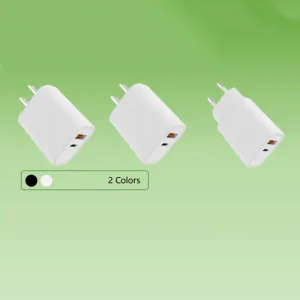
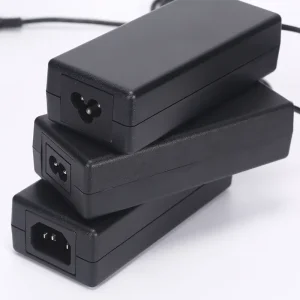
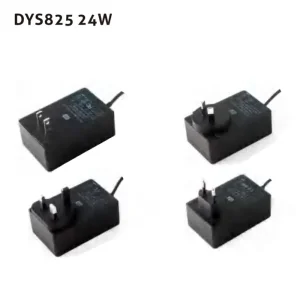
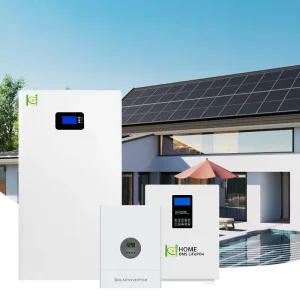
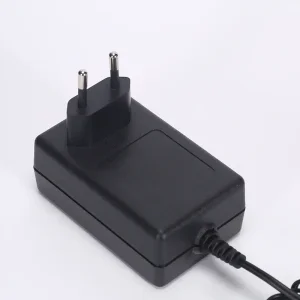
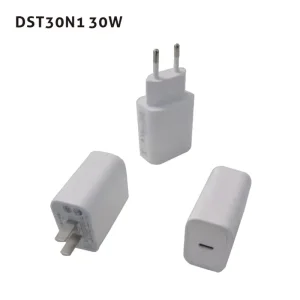
High-efficiency power conversion components, charging units, and battery modules built to international compliance and safety certifications.
An authoritative analysis of off-grid electrification trends, evolving procurement requirements, and technological frontiers.
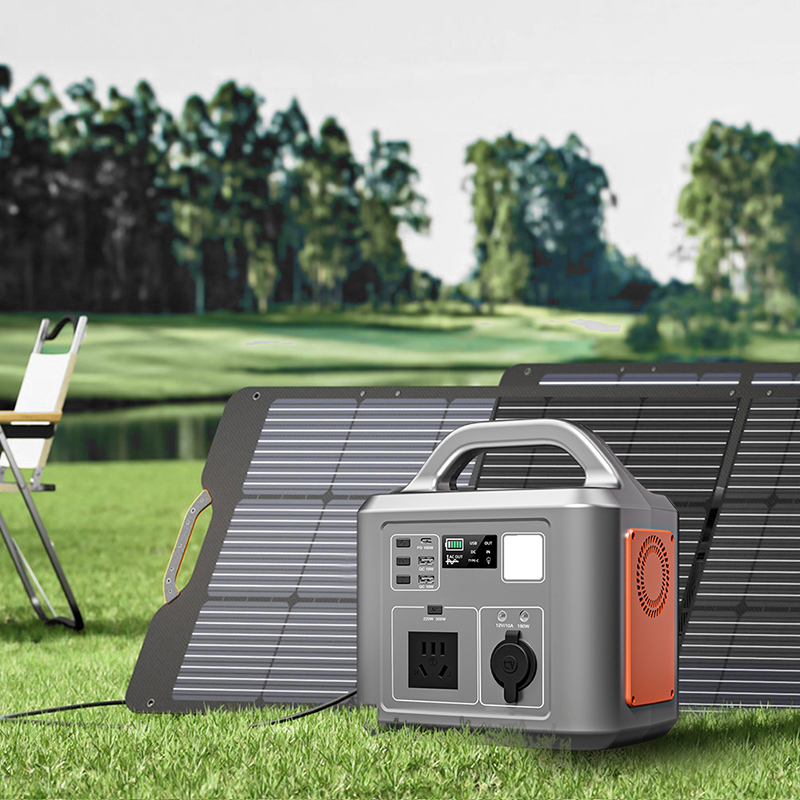
The global demand for portable outdoor camping energy storage systems (PES) has undergone a rapid paradigm shift. No longer limited to casual weekend campers charging consumer electronics, today's outdoor battery stations are central infrastructure units. Modern off-grid applications span overland vehicular integrations, emergency disaster relief, geological exploration, long-term glamping hospitality, and remote field research. As carbon neutralization strategies phase out fossil-fueled generators, high-capacity, high-output lithium-iron-phosphate (LiFePO4) storage options have become the definitive standard for mobile microgrids.
From a procurement perspective, global B2B buyers—ranging from specialized outdoor lifestyle brands to industrial logistics firms and humanitarian entities—demand customized parameters. Off-the-shelf power stations rarely satisfy region-specific safety certifications, unique industrial form factors, or proprietary battery management system (BMS) logic. Consequently, working with an experienced ODM Outdoor Camping Energy Storage Manufacturer & Manufacturers represents a critical strategic advantage, enabling companies to commercialize robust, branded energy solutions with minimized time-to-market and optimized capital expenditures.
To ensure high dependability under harsh thermal and mechanical conditions, top-tier ODM products must employ advanced component-level and system-level engineering:
| Technical Parameter Group | Standard Specs (Casual Camping) | Industrial / Heavy Duty Specs (ODM Elite Level) |
|---|---|---|
| Battery Capacity Range | 300Wh - 700Wh | 1,500Wh - 5,000Wh+ (Scalable via expansion modules) |
| AC Continuous Output | 500W - 1,000W Pure Sine Wave | 2,000W - 3,600W (Surge capacity up to 6,000W) |
| Input Configurations | Standard DC5521 & Low-power USB-C | Dual PV (up to 1,200W), High-speed AC grid, EV station charging |
| BMS Protections | Basic Overcharge & Short-Circuit | Multi-point temperature monitors, active cell-balancing, CANbus communication |
| Regulatory Conformity | CE, FCC, RoHS | UL 2743, UN38.3, IEC 62133, PSE, UKCA, KC |
Why sourcing from our production hubs in Shenzhen and Dongguan guarantees unmatched quality, speed, and cost efficiency.
Shenzhen and Dongguan represent the core of the global lithium battery supply chain. Having localized proximity to premium tier-1 raw cell manufacturers, high-precision SMT processing lines, and custom extrusion factories ensures we secure top-grade electronic components at lower cost thresholds.
Our manufacturing centers house advanced test chambers for high-altitude pressure simulation, salt-spray resistance, drop impacts, thermal cycling, and continuous load burn-in. No battery pack exits our facility without 100% capacity grading and automation-driven safety inspections.
By leveraging an in-house engineering team specializing in industrial ID styling, custom PCBA design, and mechanical packaging, we compress the traditional product design phase from months down to a few weeks, allowing you to react immediately to market trends.
ELITE POWER is a proud subsidiary of GRACE DEVELOPERS CO., LIMITED. Operating deep manufacturing roots, we have established integrated branches in Hong Kong, Shenzhen, and Dongguan, China.
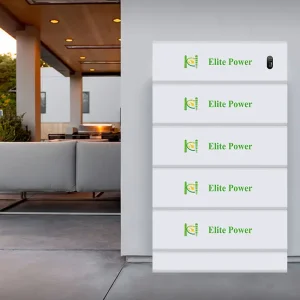
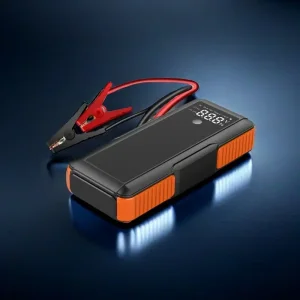
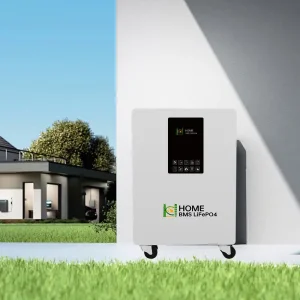
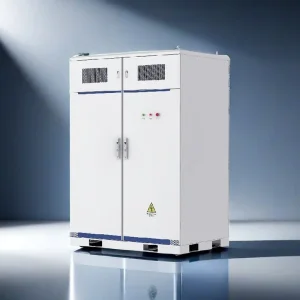
As an advanced, new energy enterprise integrating scientific research, design, manufacturing, and global sales, we focus on producing intelligent, green energy storage solutions. Our comprehensive portfolio includes household energy storage systems, industrial and commercial energy storage cabinets, containerized energy storage systems (BESS), super capacitor jump starters, high-performance portable power stations, heavy-duty truck lithium batteries, and smart furniture battery packs.
We operate in strategic markets worldwide, tailoring designs to meet the precise requirements of modern B2B clients, power distribution brands, and commercial projects seeking dependable OEM/ODM manufacturing capability.
Our compliance, strategic alliances, and fundamental operational values are oriented to build long-term shared value.
ELITE POWER has successfully obtained ISO 9001:2015 quality management system certification and ISO 14001:2015 environmental management system certification. Reflecting our focus on international market expansion, in 2022 we signed a strategic cooperation agreement with strategic USA partners to develop the optical storage and charging systems market. We supply home energy storage, industrial and commercial energy storage, emergency start systems, and parking batteries for heavy commercial vehicles.


Adapting portable energy storage technology to address regional demands and diverse environmental conditions.
In North America and Australia, outdoor enthusiasts integrate heavy-capacity portable power stations directly into vehicle electric systems. These units drive mini-refrigerators, tailgating griddles, 12V water pumps, and Starlink systems, drawing recharge power directly from vehicle alternators and roof solar panels.
In regions facing unpredictable grid networks, natural weather disturbances, or planned outages, portable energy units serve as critical emergency backups. They are clean and safe for indoor operation, sustaining life-support devices, CPAP machines, domestic water pumps, and local networking equipment.
Construction, maintenance crews, and surveying teams deploy high-capacity portable units to power power tools, remote monitoring systems, field lights, and data hubs. Eliminating the exhaust and noise of internal combustion engines enables teams to work efficiently inside tunnels and enclosed urban areas.
How to evaluate suppliers, optimize tooling investment, and manage quality risks when selecting an ODM manufacturer.
B2B buyers, product managers, and project engineers must evaluate several factors beyond base costs when choosing a manufacturing partner for portable energy storage systems. Our engineers highlight three critical points of validation:
A portable power station's durability is governed by its BMS logic. Buyers should verify if the ODM manufacturer writes proprietary BMS firmware or buys standard third-party circuits. Custom BMS logic enables active thermal management, over-current protection configurations, and precise SoC (State of Charge) estimations. A customized BMS also ensures smooth communication with external storage devices and smart application modules.
A key aspect of ODM collaboration is styling distinction. Developing a unique product case requires clean structural tooling capability. Buyers should partner with suppliers that own in-house design capabilities. This speeds up structural calculations, simplifies thermal convection path layouts, and ensures clean integration of display panels, sealing gaskets, and rugged handles.
Because battery products are regulated under hazardous goods protocols (Class 9), import compliance is essential. Sourcing from a factory that operates ISO-certified processes and maintains pre-certified base architectures (including UN38.3, UL, CE, FCC, PSE) simplifies and accelerates local certification processes in destination countries.
Essential insights covering our manufacturing operations, technology choices, and customizable ODM services.
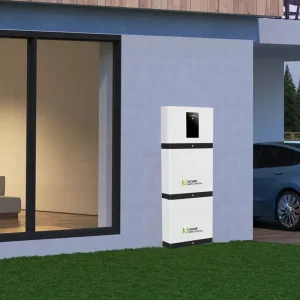
Scalable battery cabinets, modular home installations, and industrial-grade charging equipment manufactured for durability.
 ELITE POWER