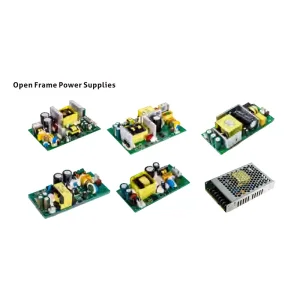
Explore our premium array of portable power stations, custom battery packs, and smart solar components designed for resilient global integration.
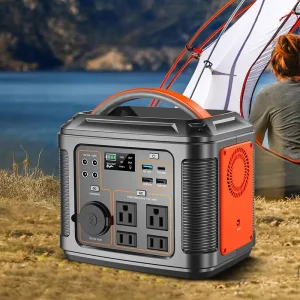
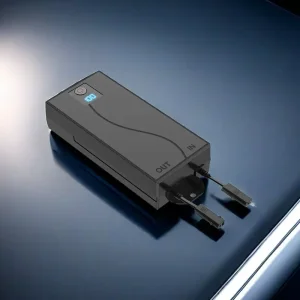
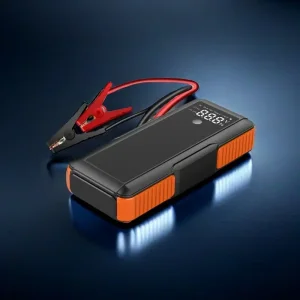
Strategic insights for OEMs, distributors, and global enterprises adapting to the decentralized green energy transition.
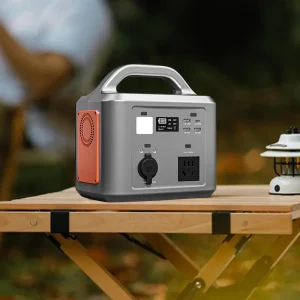
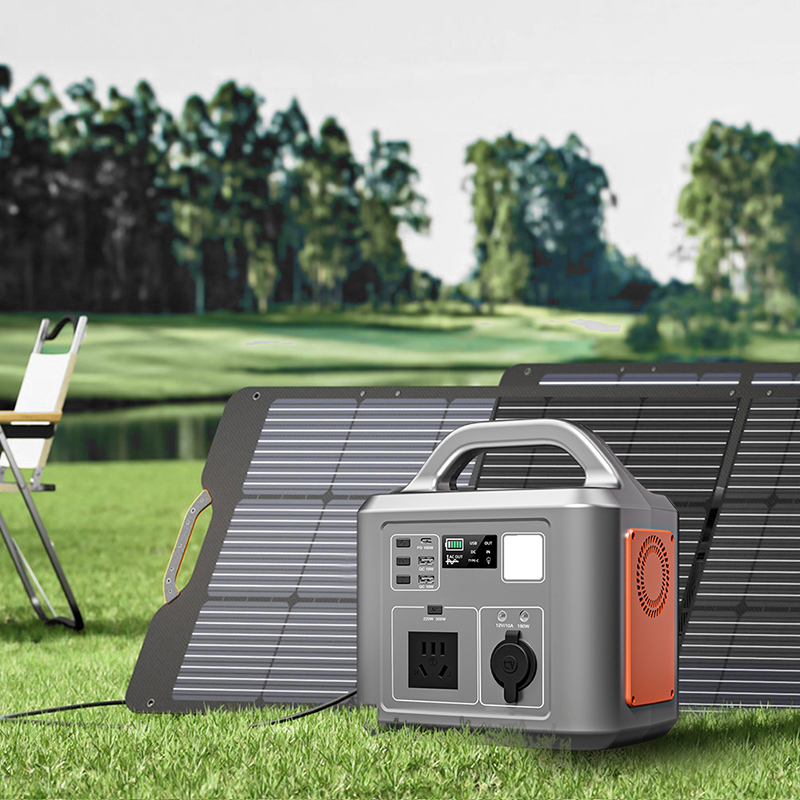
In the modern decentralized energy infrastructure landscape, the demand for high-reliability mobile electricity solutions has transitioned from consumer novelty to industrial imperative. As enterprises worldwide aim to fulfill scope 3 emissions targets and bolster field operational resilience, the reliance on specialized ODM Portable Solar Power Bank Factories has reached an all-time high. No longer limited to basic, low-capacity cell configurations, contemporary design architectures focus on high-capacity density, advanced thermal dissipation, and ultra-high solar conversion rates.
At the center of this industry movement is the deployment of integrated, modular systems that handle harsh environmental conditions while delivering utility-grade AC/DC output. Designing a resilient solar battery system requires integrating power electronics, thermal control, smart energy software, and structural engineering. Strategic partnerships between Western distribution brands and agile manufacturing entities in Asia are redefining time-to-market cycles, scaling efficiency, and setting new benchmarks for total cost of ownership (TCO).
How cutting-edge research in battery chemistry and power electronics dictates modern ODM product development.
Transitioning from standard NCM formulations to Lithium Iron Phosphate (LiFePO4) has drastically improved the safety profile and lifespan of portable solar systems. With life cycles exceeding 3,000–5,000 charges at 80% Depth of Discharge (DoD), LFP technology ensures stable thermal behavior, eliminating the risk of thermal runaway in high ambient heat.
By using Gallium Nitride (GaN) high-electron-mobility transistors (HEMTs) in bidirectional charging systems, ODM plants are increasing power conversion efficiency up to 96%. This advance minimizes heat buildup, reduces overall chassis size, and allows for compact, high-output portable designs.
Maximum Power Point Tracking algorithms continuously adjust power input dynamically during partial shade. High-performance MPPT controllers in our solar power stations boost solar charging speeds by 30% compared to legacy PWM units, even under shifting cloud cover.
From an engineering standpoint, integrating advanced cell balancing algorithms into the firmware of the Battery Management System (BMS) is essential for maximizing battery array life. The BMS monitors cell voltages, currents, and temperatures, communicating telemetry in real-time via SMBus, I2C, or CAN protocols to the device's central processor. For smart integrations, this system connects directly with mobile applications via Bluetooth or Wi-Fi, giving users detailed control over discharge rates, eco-modes, and output switching. This system control prevents degradation caused by overcharging, excessive discharge, and short-circuits, ensuring these systems remain reliable for years of field use.
Inside the Shenzhen-Dongguan manufacturing hub, combining advanced automation with vertical supply integration.
The concentration of raw material refinement, cell assembly, and system validation inside the Pearl River Delta provides unmatched advantages in delivery speed and component pricing. Through strategic locations across Hong Kong, Shenzhen, and Dongguan, elite engineering operations maintain strong supply chains for crucial battery management system (BMS) microcontrollers, mechanical enclosures, and high-purity silicon cells. By minimizing shipping times for raw parts, ODM partners can move products from design to mass production quickly.
Additionally, modern assembly plants run on Industry 4.0 principles, employing automatic cell sorting, optical inspection systems, and automated testing cycles. These facilities sort and pair every battery cell based on internal resistance and capacity profiles, ensuring consistent performance across the pack. Advanced robotic systems then weld the connections, minimizing human error and ensuring strong durability against physical drops and vibration during transport.
Tailoring custom solar energy storage to commercial field operations, healthcare, telecommunications, and high-demand projects.
Enterprise procurement managers must evaluate several technical points beyond simple aesthetic customization. Selecting a manufacturing partner requires verifying their capability to deliver customized configurations that match local grid characteristics, output requirements, and environmental demands. Whether implementing remote power systems for monitoring equipment, backing up critical medical electronics, or maintaining cellular tower operations, system reliability is non-negotiable.
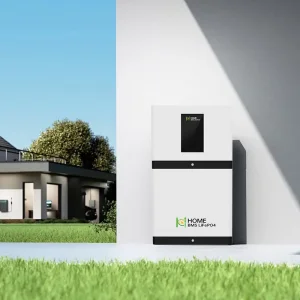
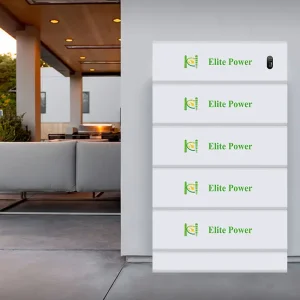
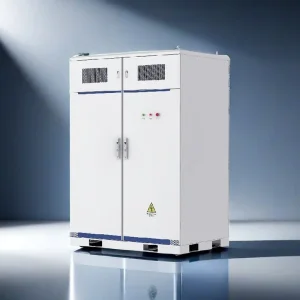
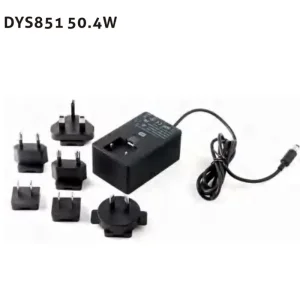
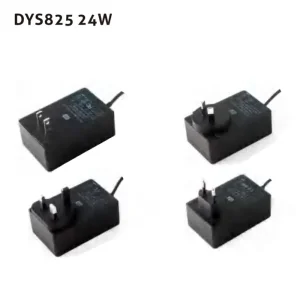
Our collaborative ODM/OEM path addresses these complex needs by offering custom chassis designs, variable AC outlets matching EU, US, UK, and AU standards, and targeted firmware configurations. From high-voltage industrial enclosures to modular, stackable domestic backups, our design framework supports customized output capacities, flexible solar charging ports, and customized brand integrations. This approach guarantees seamless integration into existing commercial product lineups.
ELITE POWER is a subsidiary of GRACE DEVELOPERS CO., LIMITED. With key branches established in Hong Kong, Shenzhen, and Dongguan, China, we operate as a modern new energy production enterprise. Our operations integrate scientific research, design, manufacturing, and global sales to deliver smart, green energy storage solutions.
Our comprehensive portfolio spans household energy storage systems, industrial and commercial energy storage cabinets, containerized energy solutions, supercapacitor jump starters, portable power stations, heavy truck starting batteries, and specialized furniture battery packs. Through dedicated R&D and strict quality control, we provide energy products built for global distribution.
We are certified under ISO 9001:2015 for quality management and ISO 14001:2015 for environmental protection, confirming our commitment to rigorous manufacturing standards. In 2022, we signed a strategic cooperation agreement with key US partners to expand optical storage, heavy truck parking systems, and commercial microgrid technologies across the North American market.


Meeting global battery transport and electrical safety standards for compliant, stress-free imports.
Because lithium-ion products are classified as Class 9 dangerous goods, navigating the international regulatory landscape is crucial for global supply chains. A professional manufacturing partner must provide complete certification files. Our products are designed and certified to comply with international regulations, including:
By partnering with established testing laboratories like TÜV SÜD, Intertek, and SGS, we keep our test reports current, enabling smooth customs clearance at major destinations worldwide.
Get answers to common inquiries regarding battery chemistry, customization limits, and logistical processes.
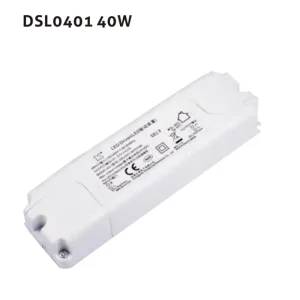
High-efficiency power supplies, medical power components, and scalable industrial backup units.
 ELITE POWER