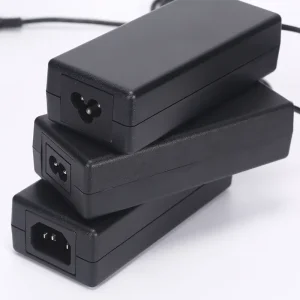
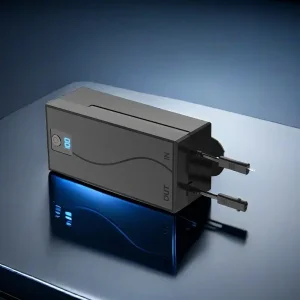
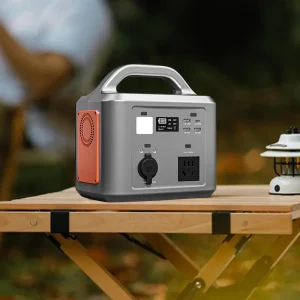
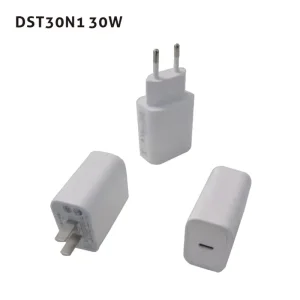
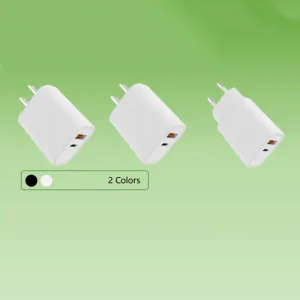
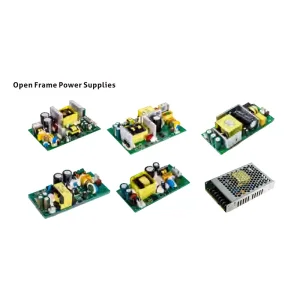
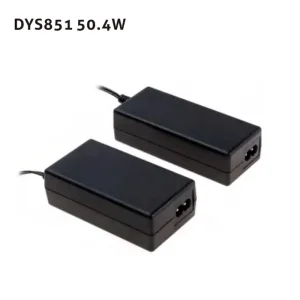
High-efficiency power systems, industrial adapters, and off-grid modular solutions optimized for global logistics and heavy deployment.
Decoding B2B procurement criteria for industrial, commercial, and retail solar portable power systems.
In the modern industrial landscape, portable solar charger power banks have transitioned from consumer novelties to critical infrastructural tools. Enterprises across logistics, emergency management, field operations, and high-volume retail sectors require specialized hardware that standard consumer-grade chargers cannot supply. For hardware procurement managers, selecting an ODM (Original Design Manufacturer) supplier involves checking strict operational parameters: high thermal stability, long battery life cycles, optimized solar conversion, and extensive global regulatory certification.
B2B buyer behavior research shows that procurement teams prioritize suppliers capable of delivering customized technical frameworks. These include custom PCB layouts, dual-path Maximum Power Point Tracking (MPPT) configurations, heavy-duty drop-resistant structures, and reliable battery chemistry (such as Lithium Iron Phosphate - LiFePO4). Selecting the right manufacturer means partnering with an engineering-focused producer that balances high energy density with safety under harsh environmental conditions.
Utilizing high-efficiency Monocrystalline Silicon cells achieving solar conversion efficiencies above 22.5%, ensuring maximum current generation even under partial shading or low-lux environments.
Integrated microprocessors loaded with custom BMS firmware. This provides real-time monitoring of voltage, current, short-circuits, and overcharging, protecting hardware integrity and extending battery life.
Double-shot injection molded enclosures designed to withstand drops from up to 2 meters. Sealed ports provide certified IP67 water and dust resistance, making them ideal for tactical and field use.
Pioneering clean energy delivery via customized industrial integration and smart micro-grids.
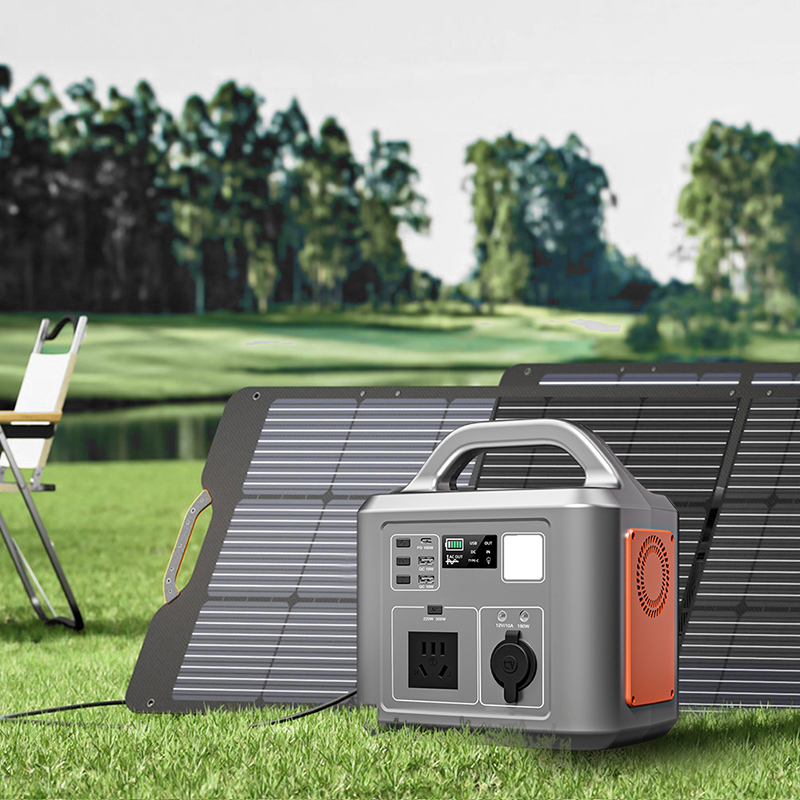
As micro-grid technology matures, the boundaries between personal electronics charging and commercial off-grid operations are dissolving. Modern OEM and ODM processes adapt to this change by offering custom solutions that integrate seamlessly into complex power systems. For instance, connecting multi-panel solar configurations with high-wattage USB-C PD (Power Delivery) outputs enables field operatives to power laptops, diagnostic machinery, and remote IoT hubs directly from portable solar chargers.
Over the next five years, the technological roadmap for solar charger power banks will focus on three key innovations:
Transitioning from traditional graphite anodes to silicon-carbon composite materials. This upgrade increases energy density by up to 20%, keeping devices lightweight while extending capacity.
Implementing Gallium Nitride (GaN) microchips. This reduces power loss from heat and shrinks the internal footprint of charging boards, making portable power systems smaller and more efficient.
Preparing to integrate perovskite layers on top of standard silicon solar panels. This engineering advance targets light-to-electricity conversion rates exceeding 28% in outdoor conditions.
ELITE POWER is a subsidiary of GRACE DEVELOPERS CO., LIMITED. With operations spanning Hong Kong, Shenzhen, and Dongguan, China, we operate at the heart of global technology and supply chain hubs. As a new energy production enterprise integrating scientific research, design, manufacturing, and sales, we focus on intelligent green new energy storage solutions.
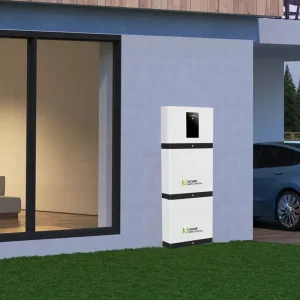
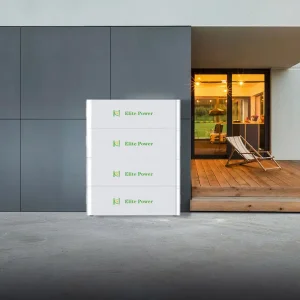
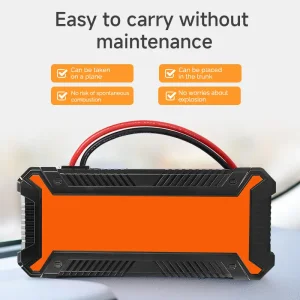
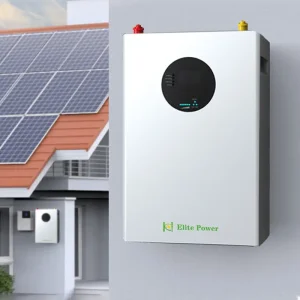
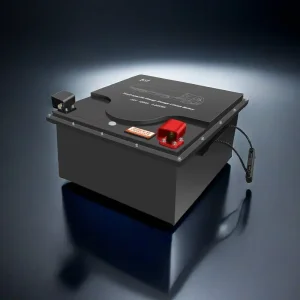
Our diverse product portfolio includes household energy storage systems, industrial and commercial energy storage cabinets, containerized storage solutions, supercapacitor jump starters, portable power stations, heavy-duty truck lithium batteries, and integrated furniture power packs. By maintaining tight control over manufacturing standards at our facility, we bridge the gap between design and volume supply.
Certified standards and strategic global partnerships ensuring reliable product delivery.
Our operations comply with the highest international manufacturing standards. We have obtained ISO 9001:2015 Quality Management System and ISO 14001:2015 Environmental Management System certifications. This helps ensure that all products leaving our factories conform to consistent standards.
In 2022, we signed a strategic cooperation agreement with USA partners. This alliance expands our optical storage and charging systems in the US market, supplying home energy storage, industrial battery backup systems, and heavy truck parking batteries.


Rigorous verification steps and specialized design options for corporate clients.
Because battery products face strict shipping and safety regulations worldwide, we focus on maintaining robust documentation and compliance. Every solar charger and power pack batch we manufacture undergoes rigorous testing to verify safety, capacity, and durability under mechanical stress.
Our ODM workflow spans from initial computer-aided industrial design (ID) and structural prototyping to mold creation, PCB schematic layout design, and safety certification support. Our engineering team assists B2B clients in securing regulatory approvals, including UN38.3 (lithium transport safety), IEC 62133, UL 2056, CE-EMC, FCC, and RoHS compliance certifications. This comprehensive support helps clear regulatory hurdles for custom products in regional markets like North America, the European Union, and East Asia.
Answers to common engineering and sourcing questions about solar portable power banks.
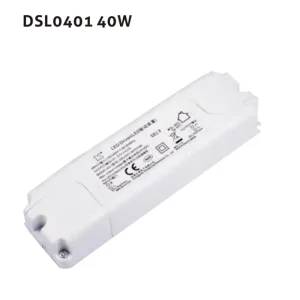
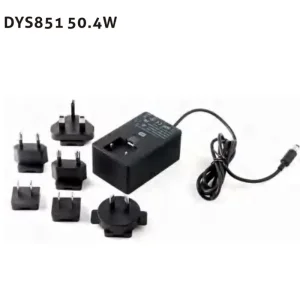
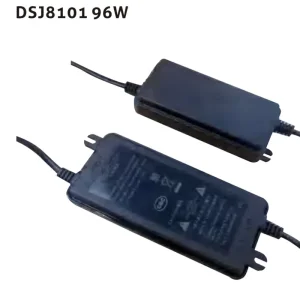
Additional heavy-duty power supplies, high-capacity storage modules, and specialized drivers.
 ELITE POWER