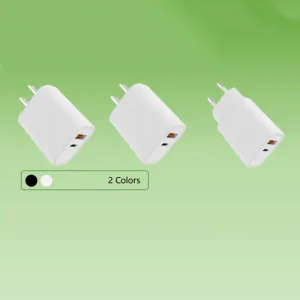
Discover our premium tier energy storage units and advanced charger integration systems designed for commercial, industrial, and residential applications globally.
As the global market transitions rapidly toward clean electrification, the demand for high-efficiency, robust, and smart charging infrastructures has reached an all-time high. At the heart of this revolution is the 48-Volt electrical standard. Historically used in telecommunication backups, 48V has emerged as the global sweet spot for mid-range power applications. It strikes an optimal balance: it is low enough to comply with Safety Extra Low Voltage (SELV) regulations (typically under 60VDC limit), minimizing specialized shock hazard containment, while offering significant energy efficiency gains and saving substantial cable mass compared to 12V or 24V configurations.
Across Europe, North America, and the Asia-Pacific regions, heavy logistics terminals and smart factories are shifting AGVs (Automated Guided Vehicles), forklifts, and mobile robotics platforms exclusively to 48V LiFePO4 structures. Simultaneously, telecom infrastructure operators scaling for 5G deployment rely heavily on 48V power loops. The integrity of these systems depends on the battery charger. Choosing a wholesale 48 Volt battery charger factory is no longer just about procuring components—it is about securing a technology partner capable of rendering reliable thermal models, advanced communications integration, and bulletproof safety margins.
Adaptive charging profiles targeting CC, CV, and Float stages. Prevents chemical degradation and maximizes battery lifespan.
Native CANbus (J1939), Modbus, and RS485 interfaces permit live telemetry transmission to the central battery management system (BMS).
Engineered thermal pathways using solid-state cooling surfaces or smart speed-controlled fan units for harsh operating conditions.
A reliable 48 Volt battery charger factory operates on the foundation of rigorous physical testing and component traceability. From SMT (Surface Mount Technology) assembly line placement to automated optical inspections (AOI), every stage of critical component manufacturing must prevent localized structural defects that degrade under long-term cyclical loads.
Our collaborative industrial manufacturing plants employ specialized dynamic aging racks where chargers are subjected to accelerated lifetime testing (HALT) under temperature-controlled chambers. Our engineering protocols mandate active PFC (Power Factor Correction) above 0.98, shielding input lines from distortion and protecting sensitive nearby automation hardware. This depth of production discipline makes us the partner of choice for logistics operations, solar microgrids, and high-frequency machinery integrations.
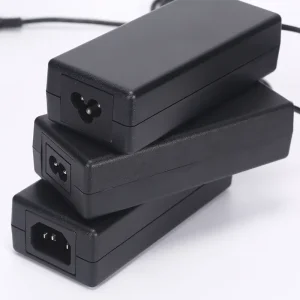
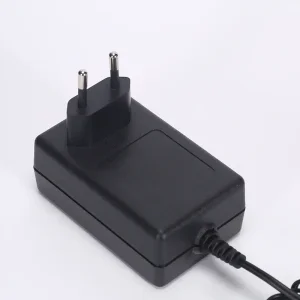
Operating a fleet across multiple continents demands chargers built to satisfy localized grid regulations and safety standards. Our 48 Volt configurations feature universal AC inputs (typically ranging from 85VAC to 264VAC, or high-voltage three-phase configurations for rapid charging), allowing the same fundamental machine design to function across European grid profiles (230VAC 50Hz) and American industrial layouts (110V/277V/480V 60Hz).
In North American and European agricultural sectors, 48V platforms power automated field robotics, crop monitoring sensors, and localized off-grid pumps. In modern harbor operations and recreational marine yards, 48V electric outboards and sailing auxiliaries are charged using IP67-rated waterproof chargers that endure constant vibration and salt-spray corrosion. Having dynamic configurations allows our factories to provide customized charging envelopes tailored specifically to LiFePO4, Ternary Lithium, Lead-Acid (AGM/Gel), and Supercapacitor architectures.
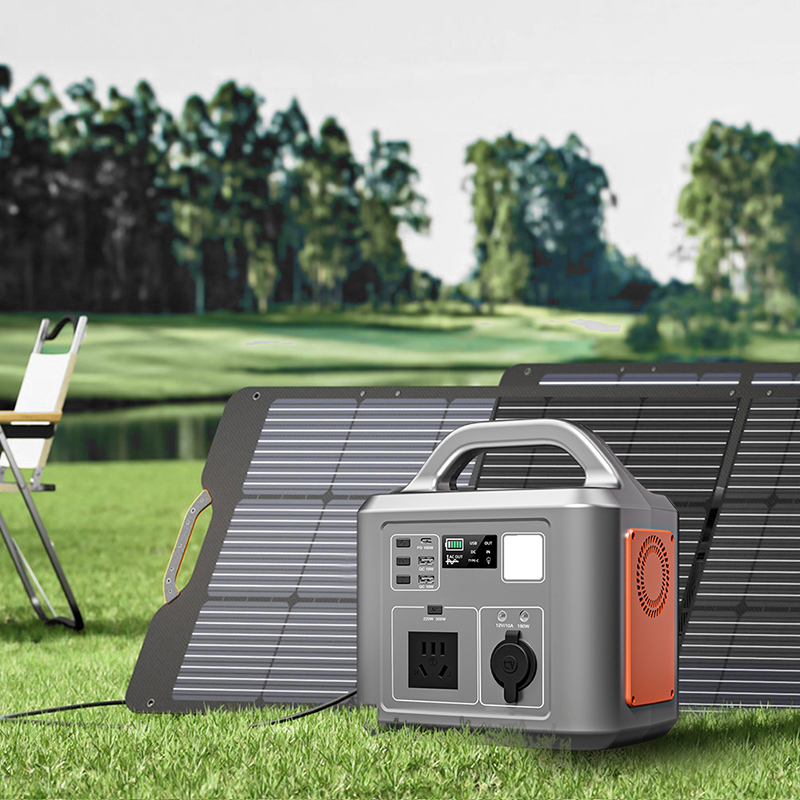
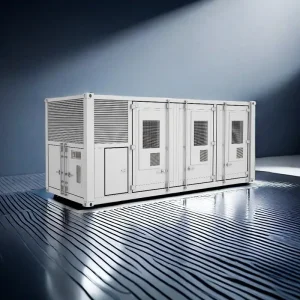
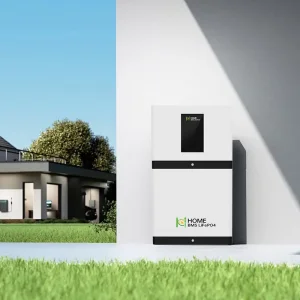
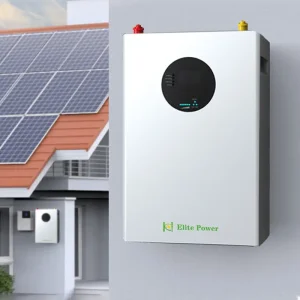
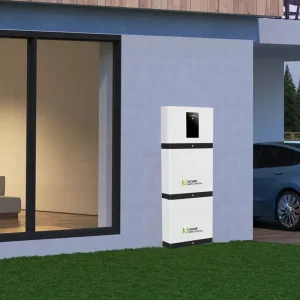
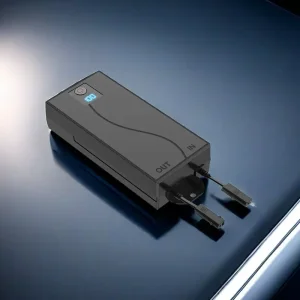
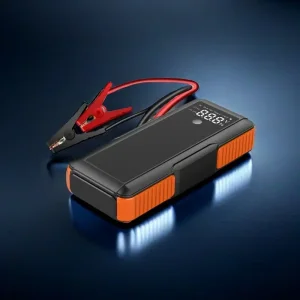
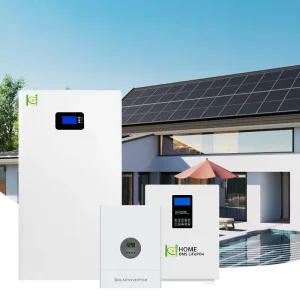
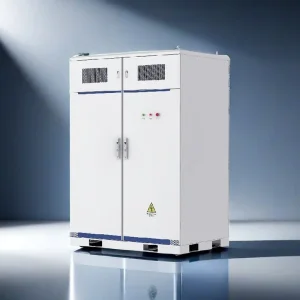
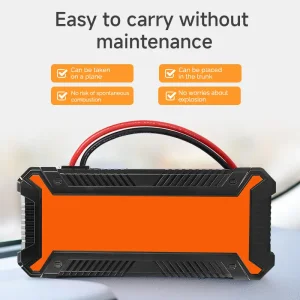
ELITE POWER is a subsidiary of GRACE DEVELOPERS CO., LIMITED. We have branches in Hong Kong, Shenzhen, and Dongguan, China. As a new energy production enterprise integrating scientific research, design, manufacturing, and sales, we focus on intelligent green new energy storage solutions. Our products include household energy storage systems, industrial and commercial energy storage cabinets, energy storage containers, super capacitor jump starters, portable power stations, truck lithium batteries, furniture batteries, and so on.
We have obtained ISO:9001:2015 and ISO14001:2015 quality management system and environmental management system certifications. In 2022, we signed a strategic cooperation agreement with USA partners: to comprehensively develop the optical storage and charging system market in the US market, and to supply products such as home energy storage systems, industrial and commercial energy storage, and at the same time, in heavy truck parking batteries, In-depth cooperation in emergency activation and other fields.

We operate with honesty and transparency in all our business dealings.

We are committed to pushing the boundaries of renewable energy technology to create a greener future.

We strive for everything we do from product development to customer service.

We believe that teamwork and partnership are most important for partners.
The next generation of wholesale 48 Volt battery charger manufacturing will be driven by advancements in wide-bandgap semiconductors and smart grid integration. Our R&D division is heavily investing in Gallium Nitride (GaN) and Silicon Carbide (SiC) topologies. These materials allow our chargers to operate at significantly higher switching frequencies, reducing the physical size of magnetic components and inductors by up to 40% while pushing total energy conversion efficiency beyond 96%.
Future industrial charging units will not merely supply current; they will serve as IoT edge nodes. By deploying real-time predictive analytics at the charging phase, our systems can monitor subtle changes in Internal Resistance (IR) and thermal gradients during charging cycles. This telemetry is transmitted back to secure enterprise servers, providing fleet managers with proactive structural warning signs before cell failure occurs, drastically decreasing industrial downtime.
When engineering directors and procurement managers select a strategic wholesale partner for 48V battery charger lines, evaluating raw price points is often a secondary concern. True optimization involves reviewing the Total Cost of Ownership (TCO) and long-term operating efficiency. Key validation protocols should include:
By keeping design, component sourcing, and certification under one group structure, Elite Power ensures that our products reduce development timelines for complex industrial designs.
Explore our full commercial catalog of portable power, automotive starting devices, supercapacitors, and power supplies engineered by our integrated factories.
 ELITE POWER