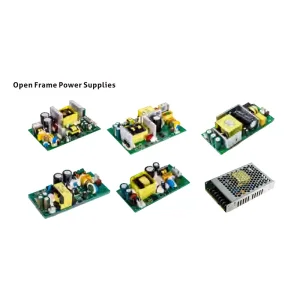
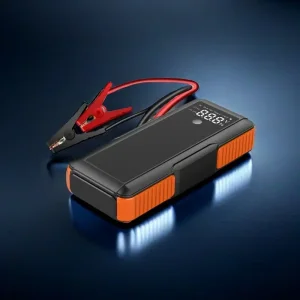
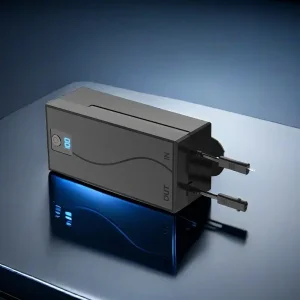
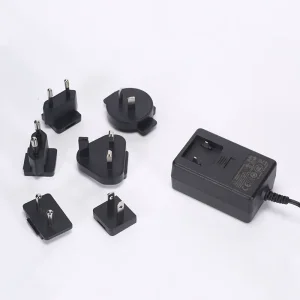
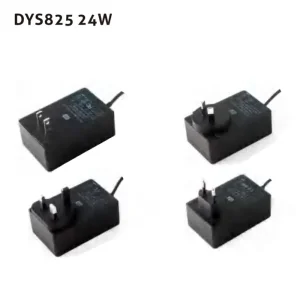
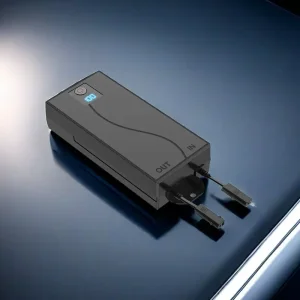
Premium grade lithium-ion battery enclosures, containerized industrial systems, and OEM-supported power stations engineered for smart grids.
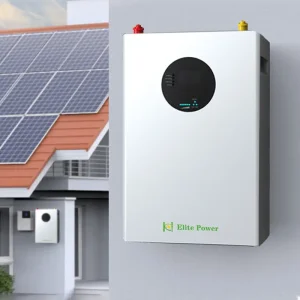
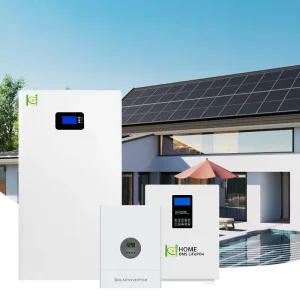
A comprehensive analysis of the shift in residential energy storage technologies, grid integration requirements, and manufacturing milestones.
The global transition towards decentralized microgrids is accelerating at an unprecedented pace. Traditional centralized grid models face high transmission losses, susceptibility to extreme weather events, and peak-load strains exacerbated by high-power vehicle chargers. Solar home energy storage solutions (HESS) have moved beyond simple backup systems; they now act as smart home energy routers. By integrating Lithium Iron Phosphate (LiFePO4) chemistry with intelligent Battery Management Systems (BMS), modern residential storage systems optimize energy flows in real time. This ensures peak-load shifting, maximizes photovoltaic self-consumption, and lowers Levelized Cost of Storage (LCOS) for end consumers.
For B2B procurement agents, regional installers, and utility architects, choosing a wholesale partner is not merely about cell capacity. It requires finding a partner that understands grid-tied inverter compatibility, high-voltage battery safety standards, and global logistics regulations. As grid conditions fluctuate, systems must adapt dynamically using advanced frequency regulation protocols. Wholesale manufacturers are now challenged to build highly compatible, multi-layered safety platforms that operate reliably for over a decade in diverse climates.
Modern battery setups must synchronize with major global inverter brands. Through CAN and RS485 communication protocols, our BMS guarantees plug-and-play capability with Deye, Growatt, Victron, and SMA platforms, ensuring seamless residential microgrid operations.
By using grade-A prismatic LiFePO4 cells with a design life of over 6,000 cycles at 80% Depth of Discharge (DoD), systems lower the cost-per-kWh stored over their operating lifetime, optimizing the ROI of home PV arrays.
Our residential and commercial systems employ optimized thermal design, featuring passive dissipation profiles and active liquid-cooling configurations for utility-grade storage. This prevents localized heat buildup and avoids thermal runaway.
ELITE POWER, a subsidiary of GRACE DEVELOPERS CO., LIMITED, operates as a comprehensive new energy production enterprise. Integrating scientific research, design, manufacturing, and sales, the company focuses on intelligent green new energy storage solutions. With established operational branches in Hong Kong, Shenzhen, and Dongguan, China, we are strategically positioned to leverage advanced supply chains, world-class R&D infrastructure, and efficient global logistics.
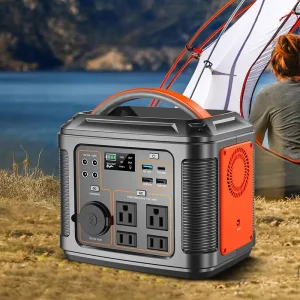
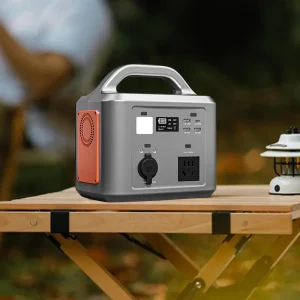
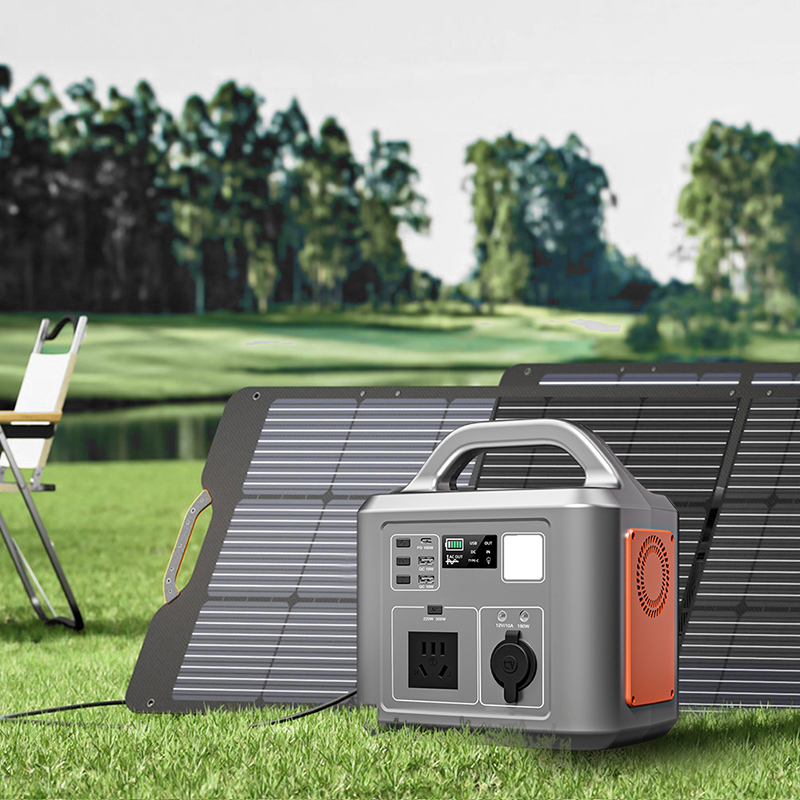
Our comprehensive portfolio features household energy storage systems, industrial and commercial energy storage cabinets, containerized utility storage platforms, supercapacitor jump starters, lightweight portable power stations, heavy-duty truck lithium starter packs, and specialized furniture batteries. By controlling the design, cell integration, and quality assurance processes, we deliver reliable solutions to global markets.
ELITE POWER maintains strict operational compliance, backed by ISO 9001:2015 and ISO 14001:2015 certifications for our quality and environmental management systems. In 2022, we reached a major milestone by signing a strategic cooperation agreement with key US partners. This initiative focus on developing the solar-storage-charging system market in North America, supplying home energy storage products, commercial systems, and collaboration on heavy truck parking batteries and emergency activation technologies.
We operate with honesty, strict supply chain traceability, and transparency in all international business dealings.
Committed to advancing cell structures, thermal architecture, and cloud BMS diagnostic platforms.
We work to optimize energy storage design, cell life, and our customer support pathways.
Fostering long-term regional distributorships and OEM/ODM collaborations worldwide.
Providing information depth to help EPC contractors, system integrators, and distributors make informed supply chain choices.
For B2B buyers sourcing commercial or residential storage, ensuring reliability depends on two key elements: cell consistency and BMS logic. A battery pack is only as strong as its weakest cell. If internal resistance and voltage match vary between cells, the pack will suffer from uneven wear, leading to early failure. As a result, our factories enforce strict sorting processes to match cell capacity, voltage, and resistance prior to assembly.
Furthermore, safety is a key concern for global regulatory bodies. Strict certifications like UL 9540, UL 1973, IEC 62619, and CE are essential for project financing and securing insurance approvals. Our manufacturing processes incorporate multi-layered safety margins, including mechanical pressure relief valves for each cell, localized thermal barriers to prevent propagation, and smart BMS algorithms. These systems track temperatures, manage overcharge/discharge conditions, and calculate State-of-Health (SoH) metrics to predict faults before they occur.
Unlike passive systems that dissipate excess energy as heat, our advanced BMS transfers energy from higher-charged cells to lower ones, increasing usable capacity and improving overall lifespan.
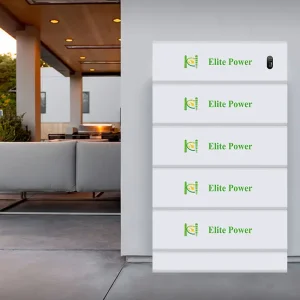
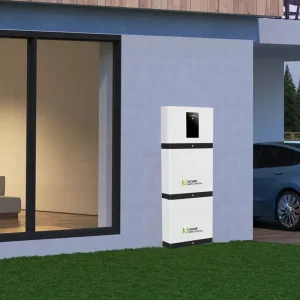
Designed with modularity in mind, our stackable home batteries allow residential installations to scale from 5.12kWh up to 20.48kWh without requiring external combiner boxes or adjustments to primary settings.
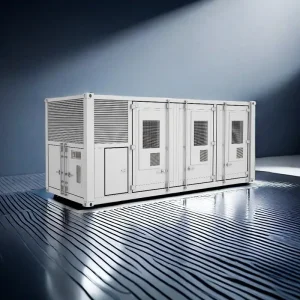
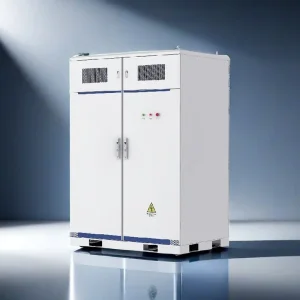
For industrial applications, our 1MWH to 2MWH containerized units feature liquid cooling, automatic HVAC control, aerosol fire suppression, and bidirectional PCS, ensuring ready-to-run microgrid capabilities.
How we address changing regional grid codes, advance chemical architectures, and support installers through local networks.
Deploying energy storage internationally requires aligning with varying regional grid codes. Our electrical designs are verified to comply with IEEE 1547 and UL 1741 in North America, G98/G99 in the United Kingdom, and AS/NZS 4777 in Australia. This rigorous compliance helps installers secure utility interconnection approvals quickly. Our strategic partnerships across key markets allow us to offer localized technical support and fast parts replacement, helping partners minimize project downtime.
As battery chemistry evolves, we continue to research and develop next-generation technologies. Our engineering teams are working to refine sodium-ion battery designs, which offer excellent performance in cold-weather conditions and mitigate the supply chain issues associated with lithium. Additionally, we are exploring solid-state battery integrations to achieve higher volumetric energy density in residential space-constrained areas. Our ongoing focus remains on improving safety, lowering lifecycle costs, and providing clean, reliable energy storage solutions.
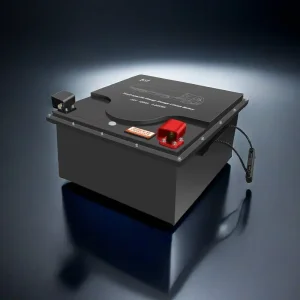
High-quality open frame power supplies, vehicle backup packs, and specialized accessories manufactured under strict quality standards.
 ELITE POWER