Engineered for sustained zero-emission cabin cooling, fast alternator charging, and cold-cranking support under extreme Indian road conditions.
As India transitions toward environmental sustainability and strict emission control regimes, the Mumbai Metropolitan Region (MMR)—anchored by Asia’s busiest cargo hubs including the Jawaharlal Nehru Port Authority (JNPA) and the massive logistics corridors of Bhiwandi—stands at a vital turning point. Adopting lithium-based parking Air Conditioner (AC) batteries is no longer just a driver-comfort upgrade; it is a critical strategy for fleet operational efficiency and macro-economic decarbonization.
Heavy-duty trucks operating through the Mumbai-Pune, Mumbai-Nashik, and Mumbai-Ahmedabad highways spend an average of 6 to 10 hours daily idling at distribution centers, dock warehouses, and urban checkpoints. In tropical, highly humid coastal climates like Mumbai, cabin temperatures can easily exceed 42°C (107°F). Under traditional setups, truck drivers idle their primary diesel engines to run cabin air conditioning during these long wait times. This practice causes massive economic and environmental problems:
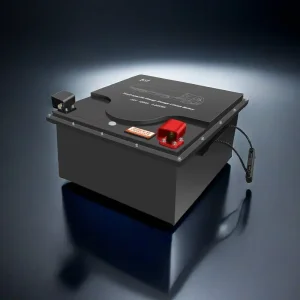
Consequently, Mumbai-based transport agencies are shifting to electric auxiliary parking ACs powered by dedicated Lithium Iron Phosphate (LiFePO4) battery packs. These systems offer up to 10 hours of noiseless, emission-free cooling without draining the vehicle's starting battery.
Globally, the commercial transport sector is phasing out traditional Absorbent Glass Mat (AGM) and Lead-Acid battery chemistry for auxiliary power units (APUs). Lithium Iron Phosphate (LiFePO4) has emerged as the clear industry leader due to its thermal stability, safety profile, and high depth of discharge (DoD). Modern global fleet managers demand integrated Smart Battery Management Systems (BMS) equipped with CAN-bus telemetry. This setup allows fleet operations centers to monitor health parameters, load distribution, and battery temperature profiles in real time.
Furthermore, standardizing modular, scalable battery packs has simplified swapping and quick-charging processes. These batteries charge directly from the vehicle’s high-output alternator while driving or from micro-solar panels installed on the cabin roof, creating a self-sustaining green energy cycle.
"The shift to LFP (Lithium Iron Phosphate) in heavy-duty logistics solves the dual challenge of operating cost reduction and corporate ESG compliance. Leading international fleets have proved that replacing lead-acid auxiliary setups with specialized lithium systems yields a 30% reduction in annual maintenance downtime."
Deploying lithium parking AC batteries in western India requires specific engineering adaptations due to harsh environmental factors:
The next decade of fleet electrification in India will center on hybrid power configurations. Combining high-energy density LiFePO4 chemistry with ultra-high-power supercapacitors (such as our 12V 500F systems) allows fleets to isolate starting loads from auxiliary electronics. The supercapacitor delivers the high-amp surge required to start large diesel engines in any environment, while the LiFePO4 battery continuously runs the parking AC and cabin appliances. Over the next five years, transitioning to semi-solid-state lithium cells will further reduce battery volume by 40% and double energy density, fitting easily into crowded cabin chassis profiles.
| Feature Parameter | Standard AGM Battery Pack | Advanced LiFePO4 System | Supercapacitor Hybrid System |
|---|---|---|---|
| Cycle Life (80% Depth of Discharge) | 350 - 500 Cycles | 3,000 - 6,000 Cycles | 100,000+ Cycles (Starter) |
| Operating Temperature Window | -10°C to 40°C | -20°C to 65°C | -40°C to 70°C |
| Charging Time (0% to 100%) | 6 - 8 Hours | 1.5 - 2 Hours | Under 10 Seconds |
| Weight (Equivalent Energy) | 65 kg | 22 kg | 12 kg |
| Ingress Protection Rating | IP20 - IP54 | IP67 Standard | IP67 Standard |
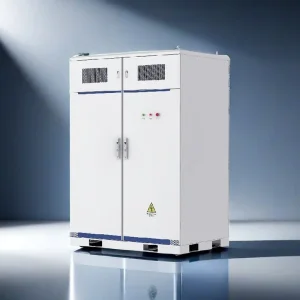
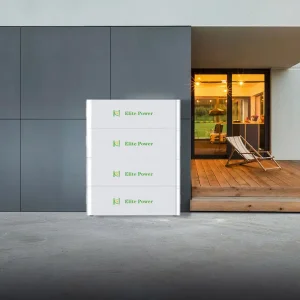
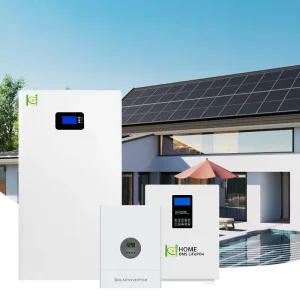
For large carriers operating hundreds of trucks in Mumbai, the optimal approach involves installing unified energy infrastructure. This includes combining commercial-grade energy storage cabinets (such as our 215kWh systems) at central fleet depots with solar-powered microgrids. These depot energy systems charge replacement truck parking battery packs off-peak using lower utility rates, enabling rapid battery swapping in under 15 minutes. This dynamic grid-depot-vehicle ecosystem minimizes downtime, reduces demand charges on the local grid, and optimizes fleet fuel efficiency.
ELITE POWER is a subsidiary of GRACE DEVELOPERS CO., LIMITED. We have branches in Hong Kong, Shenzhen, and Dongguan, China. As a new energy production enterprise integrating scientific research, design, manufacturing, and sales, we focus on intelligent green new energy storage solutions.
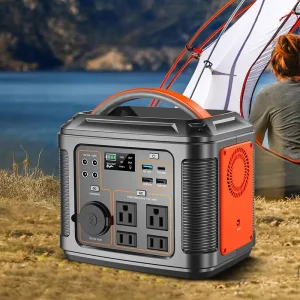
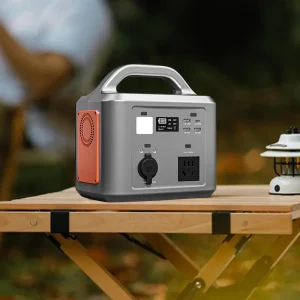
Our products include household energy storage systems, industrial and commercial energy storage cabinets, energy storage containers, super capacitor jump starters, portable power stations, truck lithium batteries, furniture batteries, and more. Through continuous design innovation and robust manufacturing quality control, we deliver reliable, high-performance battery systems to international fleets and industrial developers worldwide.
Quality & Standards Compliance: We have obtained ISO:9001:2015 and ISO14001:2015 quality management system and environmental management system certifications. In 2022, we signed a strategic cooperation agreement with USA partners to comprehensively develop the optical storage and charging system market in the US, and supply products such as home energy storage systems and industrial and commercial energy storage. At the same time, we have entered into deep cooperation in heavy truck parking batteries, emergency activation, and other specialized energy storage sectors.

We operate with honesty and transparency in all our business dealings.

We are committed to pushing the boundaries of renewable energy technology to create a greener future.

We strive for excellence in everything we do, from product development to customer service.

We believe that teamwork and partnership are essential to driving mutual growth and shared success.
Get professional, detailed answers to technical and operational queries regarding Truck Parking AC batteries in the Mumbai market.
High-capacity backup cabinets, off-grid power systems, and specialized charging accessories engineered for Mumbai's logistics terminals and industrial zones.
 ELITE POWER