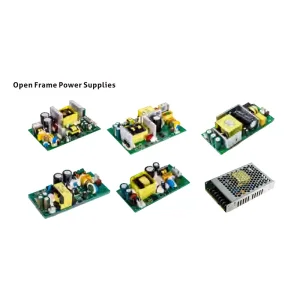
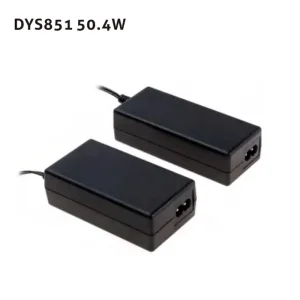
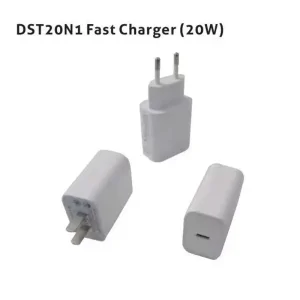
Explore our premium grade micro-inverters, commercial container batteries, and highly efficient energy accessories engineered for dynamic global smart grids.
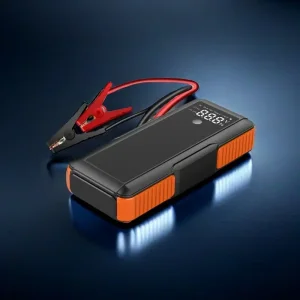
The global energy dynamic has fundamentally shifted from one of simple power generation to active power stabilization. Decarbonization targets, paired with grid instability and rising peak demand charges, have placed Battery Energy Storage Systems (BESS) at the core of industrial infrastructure. The integration of solar power generation and battery storage solutions is no longer a futuristic luxury but a vital tactical shield against volatile energy markets.
From the United States (fueled by Inflation Reduction Act incentives) to European markets mitigating severe grid fluctuation, utility-scale power systems rely heavily on high-density Lithium Iron Phosphate (LiFePO4) storage. By absorbing excess solar production during midday peak generation and discharging power back into facilities or municipal grids during peak pricing intervals, these systems optimize efficiency, lower Levelized Cost of Storage (LCOS), and offer grid services like frequency response and arbitrage.
"Battery storage integration scales up the return on investment for clean solar systems by allowing operations to capture, store, and utilize energy at peak efficiency, independent of direct solar generation cycles."
High-quality battery manufacturing relies on exact chemical and thermal control. As a leading Tier-1 integrated supplier, we focus on Lithium Iron Phosphate (LFP) chemistry because it offers great safety, thermal stability, and long cycle lives. Standard LFP configurations achieve over 6,000 cycles at a 90% Depth of Discharge (DoD), which means more than 15 years of reliable daily cycling.
The integration of high-performing BMS (Battery Management Systems) ensures real-time cell-level voltage monitoring, thermal dispersion control, and preventative cell balancing. This design keeps cells in uniform health and prevents localized hot spots. With multi-point sensor architectures, potential issues are detected before thermal runaway can occur, ensuring safety in commercial, industrial, and residential environments.
We closely follow three major trends in the storage market:
Strategic geographic clusters, optimized supply chains, and highly automated production processes enable us to deliver reliable and cost-effective energy solutions globally.
Operating in Hong Kong, Shenzhen, and Dongguan allows us to access critical raw materials, advanced lithium cells, and components in real time. This vertical integration keeps production costs stable and shortens design cycles.
Automated manufacturing at our Dongguan facility delivers reliable quality while maintaining a pricing structure that yields significant savings compared to North American or European assembly lines.
Every energy storage cabinet and container undergoes rigorous testing, including thermal cycle simulation, load step tests, and automated calibration. This process ensures full compliance with international standards (UL, CE, UN38.3).
ELITE POWER is a subsidiary of GRACE DEVELOPERS CO., LIMITED. We maintain manufacturing facilities and corporate branch operations across Hong Kong, Shenzhen, and Dongguan, China.
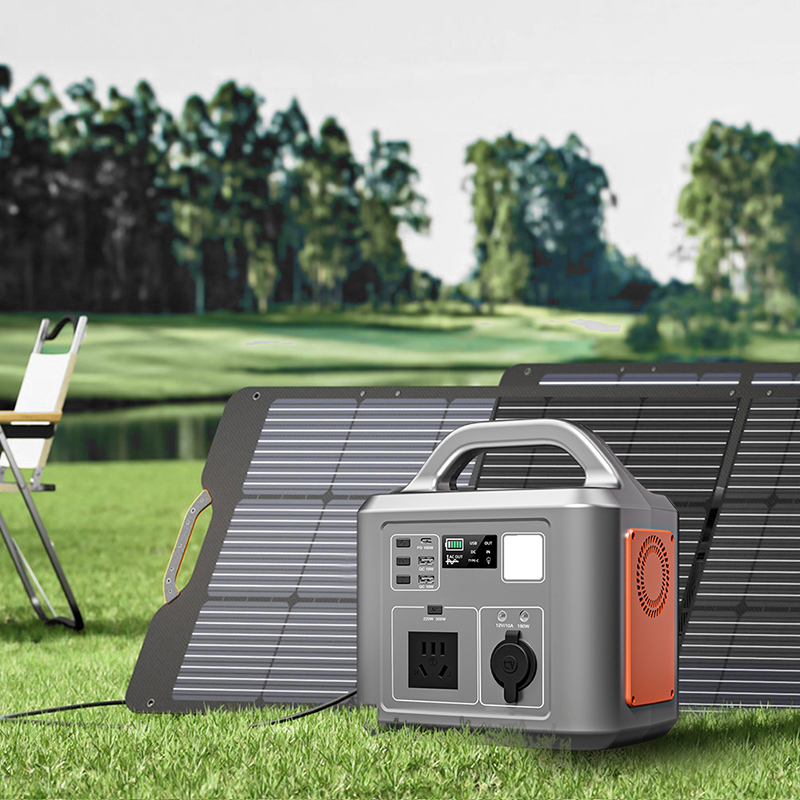
As a specialized clean energy manufacturer, we handle scientific research, industrial design, engineering, and global product sales. We are committed to developing advanced, clean energy storage solutions that reduce carbon emissions worldwide. Our product line includes residential battery storage setups, commercial energy storage cabinets, containerized batteries (1MWH-2MWH), supercapacitor starters, portable power solutions, and customized batteries for heavy transport and smart furniture applications.
Our factories operate under ISO 9001:2015 and ISO 14001:2015 management standards, ensuring consistent quality and responsible environmental management.
In 2022, ELITE POWER signed strategic cooperation agreements with US partners to expand optical storage, emergency vehicle starting systems, and charging infrastructure across the Americas. Learn more about the core values that guide our international business relationships.


Our battery systems operate in diverse environments, from residential communities to high-capacity industrial projects.
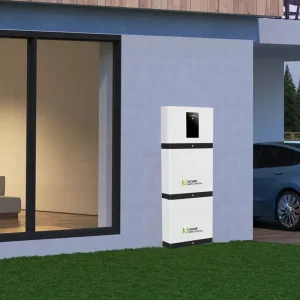
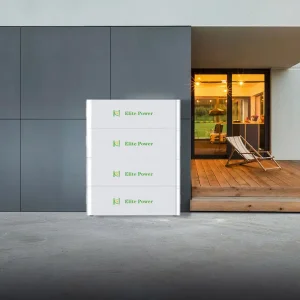
Our stackable home energy systems (10kWh to 20.48kWh) pair with solar systems to provide reliable backup power during blackouts, reducing dependencies on the utility grid.
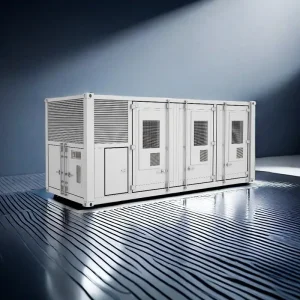
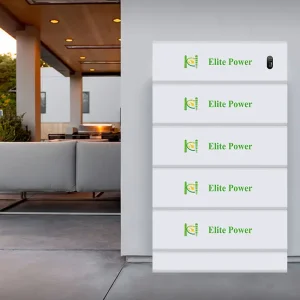
Large manufacturing facilities use our containerized batteries (1MWH-2MWH) to reduce peak demand charges and manage costs under peak-pricing tariffs.
Our high-discharge starter batteries and auxiliary parking batteries help heavy trucks run cabin HVAC and electronics without idling the main diesel engine.
When purchasing utility-grade or commercial battery systems, procurement teams should evaluate suppliers against these key criteria:
1. Certification and Code Compliance: Confirm systems carry relevant regional certifications. European projects require CE and IEC 62619, while North American markets require UL 9540 (system safety) and UL 1973 (battery pack safety). Operating without these credentials can delay grid connection approvals and invalidate insurance.
2. Guaranteed Cycles and Degradation Rates: Review the degradation profile rather than relying solely on cycle count. A quality supplier will document capacity retention (e.g., 80% remaining capacity after 6000 cycles at 0.5C charge/discharge rates).
3. Factory Acceptance Testing (FAT) Protocols: A structured QA process is essential. We invite client engineers to review factory testing virtually or in person, verifying cell capacity consistency, protective systems, and thermal performance.
Common questions from engineers, project managers, and procurement buyers about our energy storage solutions.
Lithium Iron Phosphate (LFP) chemistry offers superior thermal stability and safety compared to Nickel Manganese Cobalt (NMC). LFP's thermal runaway threshold is approximately 270°C, whereas NMC is around 210°C. LFP also delivers significantly longer cycle lives (typically 5,000–8,000 cycles) compared to NMC (1,500–2,500 cycles), making it more suitable for long-term stationary storage applications.
Our containerized systems feature liquid cooling or HVAC systems to keep cells within their optimal temperature range (15°C to 30°C). Active thermal control prevents localized overheating and extends overall system life.
In DC-coupled setups, solar panels and batteries share a single inverter, minimizing conversion losses. In AC-coupled configurations, solar panels and batteries use separate inverters. This setup makes retrofitting existing solar systems easier, though it introduces minor energy losses during multiple power conversions.
Our residential battery products include multi-tier protections. Cell monitoring is managed by a digital BMS, while physically insulated housings protect cells from impact. Integrated fire protection blocks and pressure valves provide additional safety.
Our operations in Shenzhen and Dongguan comply with ISO 9001:2015 standards. We conduct cell capacity grading, weld inspection, and thermal stress testing to verify performance prior to shipping.
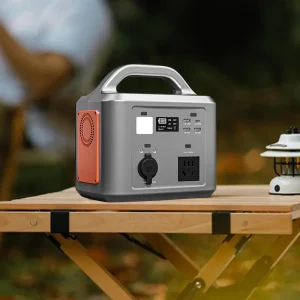
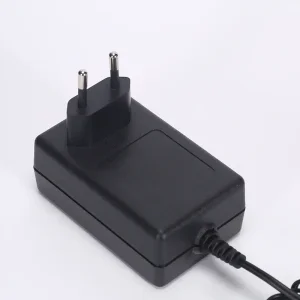
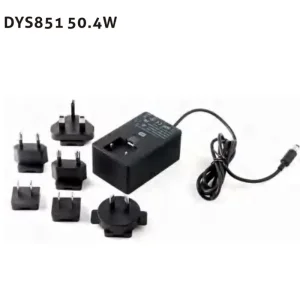
Review our secondary catalog featuring medical power adapters, wall-mount residential systems, and portable power stations.
 ELITE POWER