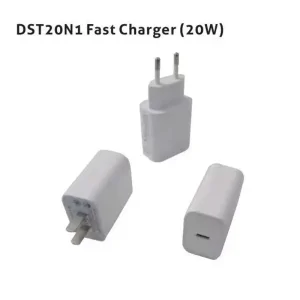
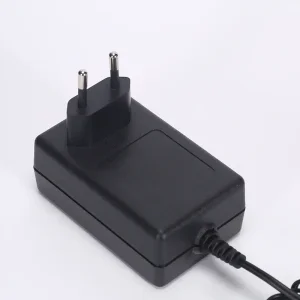
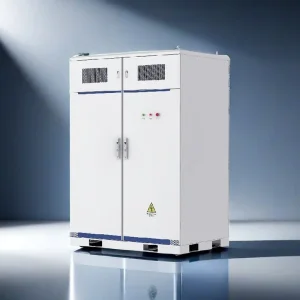
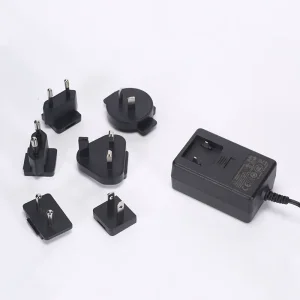
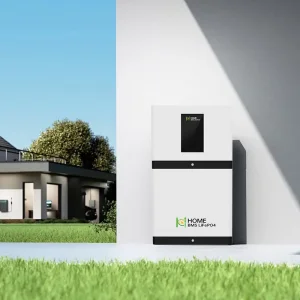
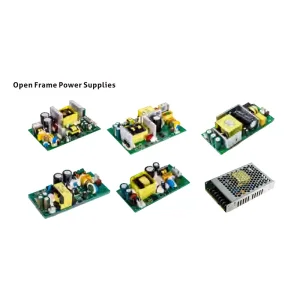
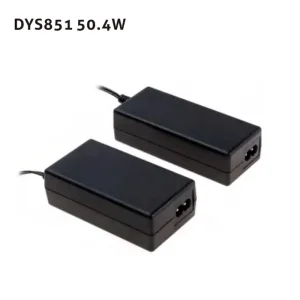
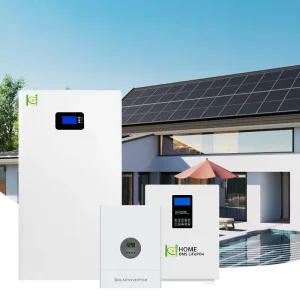
Discover our leading range of smart battery chargers, power supplies, and integrated residential and commercial storage systems.
ELITE POWER is a premier subsidiary of GRACE DEVELOPERS CO., LIMITED. With strategic branch offices and manufacturing hubs in Hong Kong, Shenzhen, and Dongguan, China, we operate at the heart of global technological integration. As a forward-thinking new energy manufacturing enterprise, we unify core scientific research, bespoke industrial design, production, and worldwide sales channels under one roof.
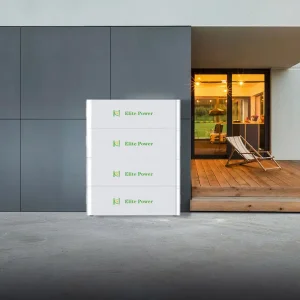
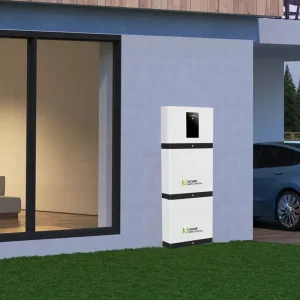
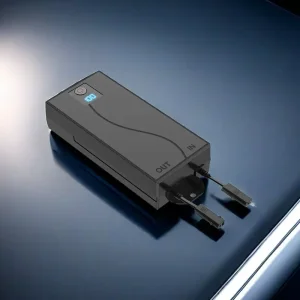
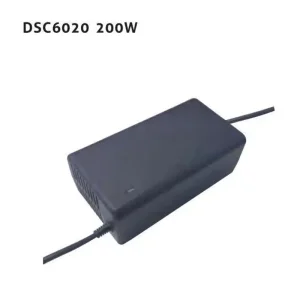
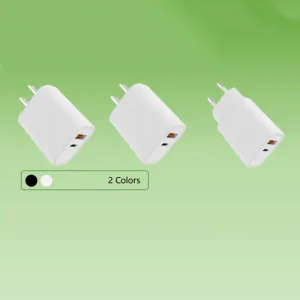
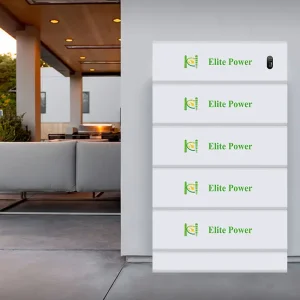
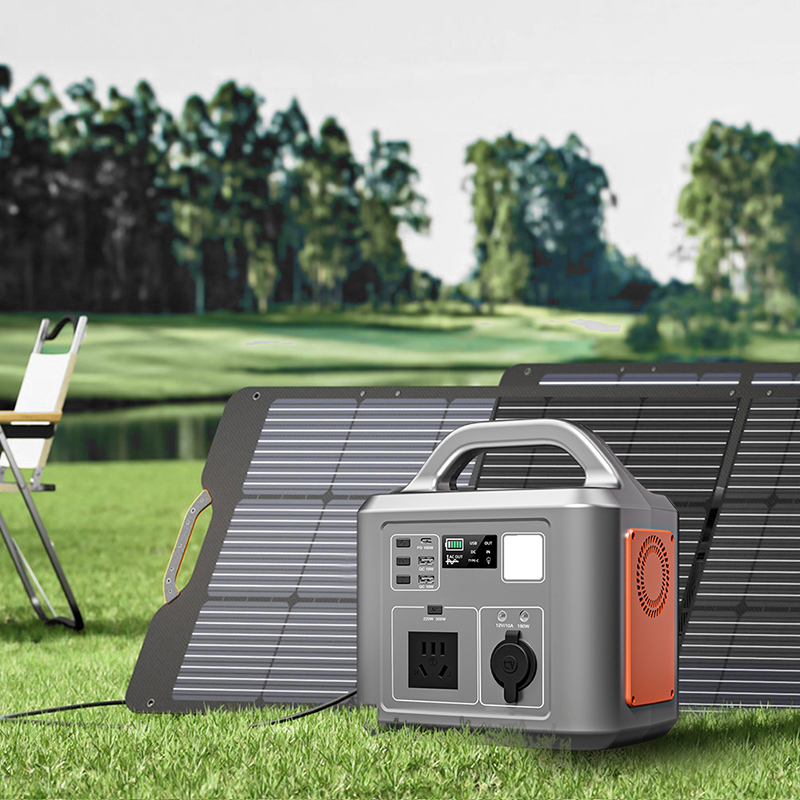
We are relentlessly focused on engineering intelligent green energy storage solutions. Our comprehensive ecosystem features high-efficiency residential storage systems, heavy-duty industrial energy cabinets, supercapacitor jump starters, clean energy portable power stations, and custom battery management chargers configured to exact client specifications.
We maintain top-tier compliance to ISO 9001:2015 Quality Management Systems and ISO 14001:2015 Environmental standards. In 2022, we solidified our global presence by signing long-term strategic cooperation agreements with US-based developers to systematically build and expand the optical storage, EV charging, and heavy truck auxiliary parking battery markets across North America.
We build lasting global relationships on the foundation of transparency, strict contractual compliance, and ethical materials sourcing.
Our engineers pioneer high-frequency charging circuitry and thermal optimization curves to deliver ultra-fast, safe power delivery.
We target zero-defect manufacturing. Every battery charger undergoes extreme safety validation and rigorous thermal burn-in protocols.
Collaborating as long-term engineering partners. Our flexible business structures ensure maximized profitability for global distributors.
Technical analysis on battery chemistry constraints, localized deployment, and smart power electronics integration.
Lithium Iron Phosphate (LiFePO4) chemistry represents a paradigm shift in safe, cycle-resilient energy storage. However, harvesting its 3,000+ cycle capability relies heavily on the charge control methodology. Unlike standard lead-acid batteries that tolerate high voltage drifts, or standard NMC cells requiring intense voltage monitoring, LiFePO4 demands an exceptionally precise charging trajectory.
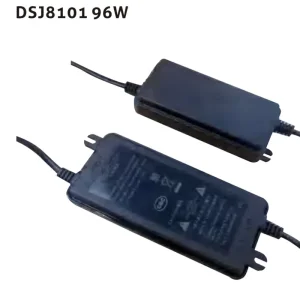
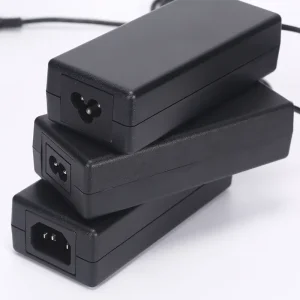
Specifically, a dedicated charger must implement a highly regulated Constant Current / Constant Voltage (CC/CV) algorithm. At the initial phase, a constant current is supplied to rapidly elevate the cell capacity up to approximately 90% SoC. Upon reaching the critical ceiling voltage of 3.65V per cell, the charger must instantaneously shift to Constant Voltage mode, smoothly decreasing the current until it hits a designated termination threshold (typically 0.05C). Straying above this window initiates electrolyte breakdown; undercharging reduces power utilization. ELITE POWER's custom ODM charging circuits achieve ±0.05V accuracy across all configurations.
Sourcing LiFePO4 chargers from seasoned factories in Shenzhen and Dongguan, China offers distinct technological and supply-chain advantages:
Over-Voltage Protection: Automatic shut-off circuitry prevents thermal runaway at cell levels.
Precision BMS Integration: Our smart chargers interface directly with internal Battery Management Systems via CAN bus, RS485, or SMBus communication protocols.
Climatic Resilience: Heavy conformal coatings defend power electronics against corrosive salt air, high industrial humidity, and airborne dust particles.
Different international regions and market sectors require targeted charger designs:
Answers to engineering and procurement queries regarding LiFePO4 charger integration.
High-reliability modules engineered for telecom, commercial cabinet grids, and portable smart configurations.
 ELITE POWER