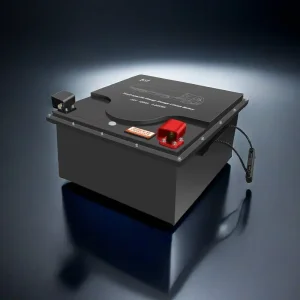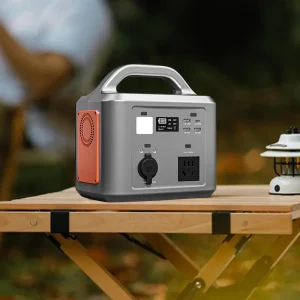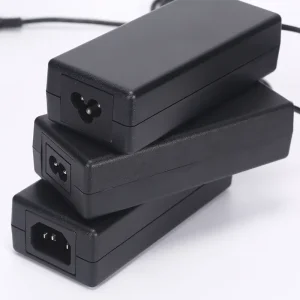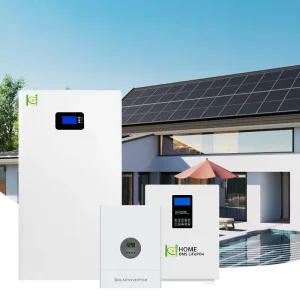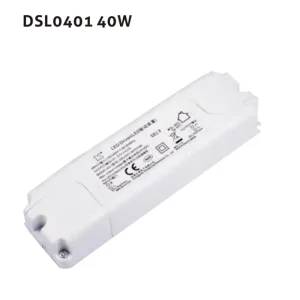
In modern electronic systems and industrial electrical frameworks, the 12V voltage regulator serves as a foundational component for voltage stabilization and control. In the context of global industrial shifts, the demand for precision-engineered power regulation has grown dramatically. Across automotive manufacturing, telecommunications infrastructure, healthcare equipment, and green energy systems, standard off-the-shelf regulators often fall short of meeting complex engineering metrics. This gap has made specialized ODM (Original Design Manufacturer) Voltage Regulator 12v Suppliers & Factories essential partners for enterprises worldwide.
Industrial electrical environments are notoriously harsh. They are prone to thermal surges, electromagnetic interference (EMI), and input line fluctuations. A robust 12V regulator prevents these system vulnerabilities by maintaining a steady output, irrespective of input voltage or load fluctuations. Top-tier ODM factories now design circuits utilizing advanced switching topologies, such as buck-boost and synchronous rectification, to achieve conversion efficiencies exceeding 96%.
Capable of handling wide input ranges from 9V to 36V, providing a stable 12V output despite grid instability.
Fully compliant with CISPR 25 and FCC Part 15 Class B, minimizing EMI to guarantee clean signal paths.
Utilizes thermal vias, heavy copper PCBs, and aluminum housings to dissipate heat under high loads.
Understanding user search intent shows that procurement managers and engineers looking for "ODM Voltage Regulator 12v Supplier & Factories" are not just searching for off-the-shelf components. They want factories with strong R&D departments, comprehensive reliability testing facilities (such as burn-in chambers and HALT/HASS tests), and global certification capabilities (UL, CE, RoHS, and FCC).
High-performance 12V voltage regulators are classified by their operational topography: Linear Regulators (LDO) and Switching Regulators (Buck, Boost, Buck-Boost). Linear regulators are preferred for low-noise applications but struggle with efficiency at high voltage differentials. In contrast, ODM factories focus heavily on synchronous buck switching regulators for industrial applications. These configurations reduce energy loss and cut operating costs in large-scale deployments.
| Topological Parameter | Linear LDO Regulators | Switching Buck Regulators | ODM Custom Buck-Boost |
|---|---|---|---|
| Input Voltage Range | Narrow (e.g., 13V - 15V for 12V out) | Wide (e.g., 15V - 40V) | Extremely Wide (9V - 36V) |
| Average Efficiency | 40% - 60% (highly dependent on delta V) | 85% - 93% | 90% - 97% |
| Thermal Output | High (requires large heatsinks) | Low to Moderate | Optimized (Integrated dissipation) |
| EMI Profile | Virtually Zero (Cleanest output) | Moderate (Requires filter network) | Suppressed (Built-in active shielding) |
"By choosing ODM services, industrial buyers can select custom PCB dimensions, specific connector interfaces, and protection parameters (over-current, over-voltage, short-circuit, and thermal shutdown points) tailored to their target equipment."
China's manufacturing ecosystem remains unmatched for the production of advanced power electronics. Factories in key industrial clusters like Shenzhen, Dongguan, and Guangzhou offer exceptional design speed and manufacturing capacity. This enables rapid prototyping cycles, taking custom designs from schematic concept to working prototype in as little as two weeks.
These factories leverage local access to premium active and passive components, direct relationships with semiconductor foundries, and automated SMT (Surface Mount Technology) assembly lines. Consequently, Chinese ODM factories provide high quality-to-cost ratios. Automated optical inspection (AOI), X-ray component validation, and ICT testing are standard on these assembly lines, ensuring low defect rates (measured in DPPM).
Additionally, the proximity of Hong Kong and Shenzhen ports ensures efficient global logistics. Shipments can reach major commercial hubs via air or sea with optimized customs processing, minimizing lead times for global electronics manufacturers.
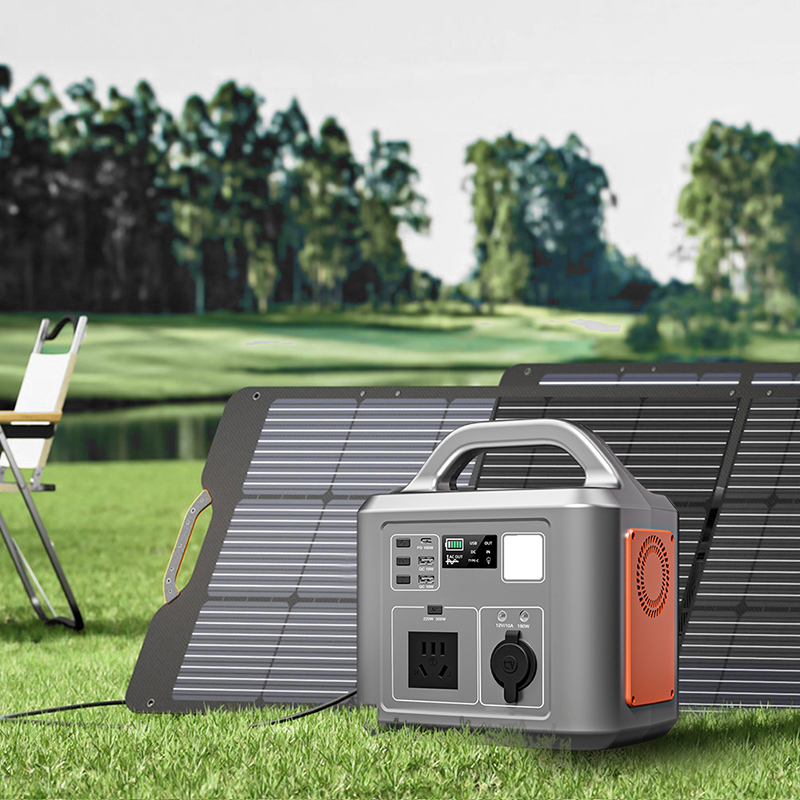
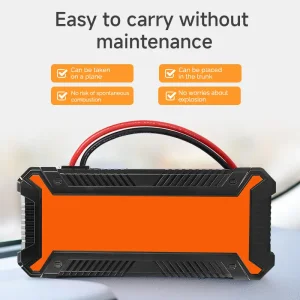
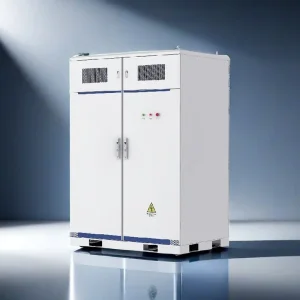
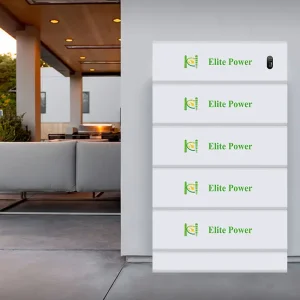
ELITE POWER, It is a subsidiary of GRACE DEVELOPERS CO., LIMITED. We have branches in Hong Kong, Shenzhen and Dongguan, China. As a new energy production enterprise integrating scientific research, design, manufacturing and sales, we focus on intelligent green new energy storage solutions. Our products include household energy storage systems, industrial and commercial energy storage cabinets, energy storage containers, super capacitor jump starters, portable power stations, truck lithium batteries, furniture batteries, and so on.
The power electronics sector is experiencing rapid technological evolution, driven by the demand for higher power density and minimized footprints. In 12V regulation technologies, three trends stand out:
1. Transition to Wide Bandgap (WBG) Semiconductors: The integration of Gallium Nitride (GaN) and Silicon Carbide (SiC) switches into step-down converters has transformed industrial power conversion. GaN-based 12V regulators operate at higher switching frequencies (above 1MHz), reducing the size of passive components like inductors and capacitors by up to 50% while lowering thermal emissions.
2. Software-Defined Power: Digital PMBus protocols are increasingly integrated into 12V regulators. This allows system controllers to monitor output current, input stability, and temperature in real-time, facilitating predictive maintenance in large data centers and telecommunications networks.
3. Extreme Ruggedization: Modern industrial environments require regulators that operate reliably under high vibration and thermal shock. Conformal coating, potting options, and rugged vibration-resistant pins are standard specifications for today's ODM factories.
 ELITE POWER