For years, residential energy storage was marketed almost exclusively as an accessory to rooftop solar. However, global market data shows a rapid paradigm shift. Home battery backup systems without solar—often termed standalone residential battery energy storage systems (BESS)—are emerging as a highly efficient, lower-entry-cost method for energy security and cost optimization.
These systems charge directly from the municipal utility grid when electricity prices are low (off-peak) and discharge during grid failure or peak-pricing windows, providing substantial economic advantages without the capital expenditure of photovoltaic panels.
Time-of-Use (TOU) tariffs are becoming the standard worldwide. Grid-only battery backups exploit these dynamic rate structures via intelligent energy arbitrage. By drawing power during low-demand hours, businesses and homeowners bypass extreme peak tariffs. This approach delivers a predictable return on investment (ROI) that is independent of seasonal weather conditions, geographic shade, or regional solar irradiance levels.
Installing solar requires roof inspections, structural reinforcement, complex net-metering agreements, and weatherproofing. Standalone AC-coupled or DC-coupled grid storage systems eliminate these pain points. The simplicity of installation significantly reduces upfront engineering and permitting times, allowing multi-family apartments, high-density urban areas, and commercial entities to achieve emergency resiliency much faster.
Modern electrical grids are increasingly strained by extreme weather events and fluctuating renewable energy generation. To stabilize these grids, utilities offer incentives for residential and commercial customers who can shed load or feed stored energy back into the network during peaks. Standalone batteries serve as local dispatchable units, making them prime candidates for Virtual Power Plants (VPPs). Wholesale buyers are looking for battery packs with integrated IoT communications, enabling remote orchestration and aggregated revenue generation without the complexity of solar arrays.
Procurement standards have shifted decisively away from older Nickel Manganese Cobalt (NMC) chemistries due to thermal runaway risks and lower cycle lives. Lithium Iron Phosphate (LiFePO4 / LFP) is now the global standard for stationary storage. It offers superior thermal stability, non-toxicity, and up to 10 years or 6,000+ cycles at 80% Depth of Discharge (DoD). This long lifespan reduces the total cost of ownership (TCO) for commercial developers and multi-family residential projects.
Global engineering firms, distributors, and real estate developers evaluate BESS manufacturers on rigorous technical criteria. Below is the checklist required to secure high-performance, compliant storage systems.
For import and deployment in North America and the European Union, systems must meet comprehensive safety standards. Key certifications include:
Grid-only systems rely heavily on smart bidirectional inverters. Key metrics to evaluate include:
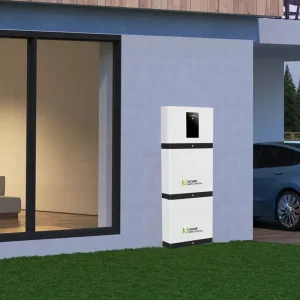
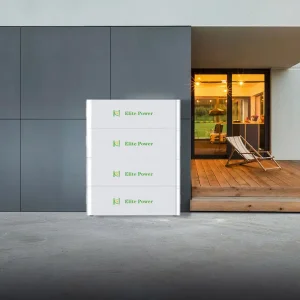
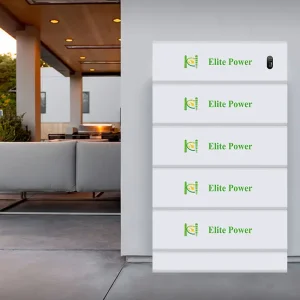
To reduce inventory storage costs, distributors prefer modular "stackable" designs. Stacking units horizontally or vertically allows a single base model to scale from 5kWh to over 40kWh, matching the requirements of different households without requiring custom engineering for every project.
The global battery supply chain is centered in southern China, particularly within the Shenzhen-Dongguan electronic manufacturing clusters. Sourcing from this region offers unparalleled logistics advantages, direct access to Tier 1 LFP battery cells, and highly optimized structural and electronic engineering teams. By locating production facilities here, companies like ELITE POWER (Grace Developers Co., Limited) leverage localized supply chains to reduce production lead times and lower material procurement costs, passing these savings on to wholesale buyers.
Reliable battery performance depends on cell consistency. Our Industry 4.0 facilities utilize automated sorting machinery to match cells based on internal resistance, open-circuit voltage, and capacity down to tight tolerances. Precision laser welding on battery packs ensures low contact resistance, reducing heat generation during rapid charge and discharge cycles, which protects the battery system's overall lifespan.
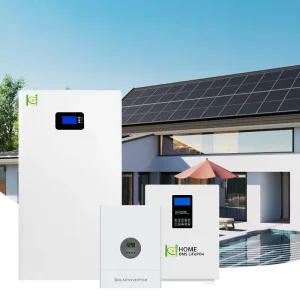
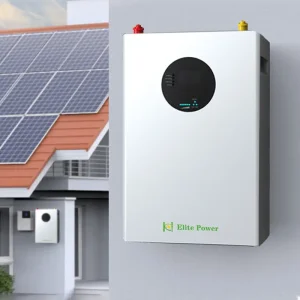
In major metropolitan centers like New York, Tokyo, or London, high-rise apartment residents face rising electricity costs and grid instability but lack rooftop access for solar panels. Standalone wall-mounted or closet-integrated battery systems provide power backup and energy savings using space-saving footprints that meet strict local fire codes.
Regions prone to blizzards, hurricanes, or high-wind red flag warnings (such as parts of Texas, California, and Northern Europe) suffer frequent grid shutoffs. Homeowners can install grid-charged battery backups inside climate-controlled basements or garages, keeping critical heating, refrigeration, and communication systems online during extended blackouts.
Small and medium-sized offices (SMEs), clinics, and remote work centers require continuous power. Even brief power outages can disrupt servers and cause data loss. Deploying high-capacity grid-charged batteries provides cost-effective, high-speed backup power without the exhaust fumes, maintenance, and noise of traditional diesel generators.
ELITE POWER is a subsidiary of GRACE DEVELOPERS CO., LIMITED. With key branches established in Hong Kong, Shenzhen, and Dongguan, China, we operate as a modern new energy production enterprise integrating scientific research, design, manufacturing, and sales. We focus on intelligent green new energy storage solutions.
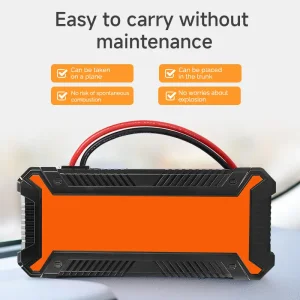
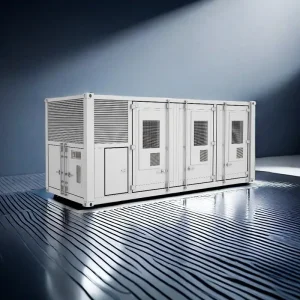
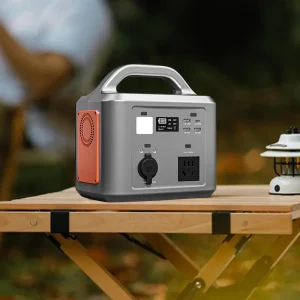
Our comprehensive product portfolio includes household energy storage systems, industrial and commercial energy storage cabinets, energy storage containers, super capacitor jump starters, portable power stations, truck lithium batteries, and furniture batteries. Our manufacturing facilities are certified to ISO 9001:2015 and ISO 14001:2015, ensuring strict compliance with international quality and environmental management systems.
In 2022, we signed a strategic cooperation agreement with USA partners to develop the optical storage and charging system market in the United States. This partnership covers the supply of home energy storage systems, industrial and commercial energy storage, heavy truck parking batteries, and emergency activation technologies.


 ELITE POWER