Direct from factory-certified assembly lines. Engineered for smart systems, power infrastructure, and advanced digital interfaces.

In the digital infrastructure, automotive infotainment, aerospace, and medical engineering sectors, selecting the correct monitor connector types is critical to signal integrity, system latency, and electromagnetic compatibility. For international procurement managers, sourcing directly from audited Chinese manufacturing ecosystems guarantees cost stability, scalable volume compliance, and precise customization.
Each display interface standard offers specific bandwidth, pin-out, and voltage supply features. Choosing the appropriate connector type requires balancing signal speed, distance, shielding, and backward compatibility.
HDMI remains a leading standard for consumer displays, retail signaling, smart screens, and home battery monitoring dashboards. It uses Transition-Minimized Differential Signaling (TMDS) to transmit high-speed audio and video data over a single connection.
Developed by VESA, DisplayPort is designed for computer monitors, professional workstations, and multi-display control centers. Unlike HDMI, DisplayPort operates on a packetized data structure, similar to Ethernet, which allows it to combine video and audio streams into a single channel.
USB Type-C has standardized modern connectivity by carrying high-speed USB data, DisplayPort video signals (via DP Alt Mode), and up to 240W of Power Delivery (USB-PD) through a single cable.
This dual-purpose design is widely used in automotive displays, modern workstations, and rugged diagnostic terminals. By eliminating the need for separate power bricks, USB-C simplifies cabling and reduces points of failure.
While digital interfaces dominate new product development, legacy connectors remain essential for maintaining older machinery, telecommunications arrays, and legacy medical equipment.
| Interface Standard | Signal Type | Max Resolution | Max Bandwidth | Primary Application Profile |
|---|---|---|---|---|
| HDMI 2.1 | Digital (TMDS / FRL) | 8K @ 60Hz / 4K @ 120Hz | 48.0 Gbps | Smart TVs, Retail Signage, Home Storage Hubs |
| DisplayPort 2.1 | Digital (Packetized / UHBR) | 16K @ 60Hz (with DSC) | 80.0 Gbps | CAD Workstations, Control Rooms, Daisy-Chain Displays |
| USB-C (Alt Mode) | Digital (Multiplexed) | 8K @ 60Hz + 240W PD | 40.0 Gbps | Automotive HMIs, Clean Workstations, Portable Monitors |
| DVI-D Dual-Link | Digital (Single/Dual TMDS) | 2560 x 1600 @ 60Hz | 9.9 Gbps | Legacy Factory Monitors, Medical Diagnostic Systems |
| VGA (DE-15) | Analog RGB | 1920 x 1200 @ 60Hz | N/A (Analog) | Legacy Mainframes, Vintage Industrial Control Equipment |
Key statistics highlighting production volumes, supply chain performance, and quality benchmarks in the screen and power connector markets.
Choosing display connector suppliers based in industrial hubs like Shenzhen, Dongguan, and Hong Kong provides significant advantages in supply chain efficiency and technical capability.
These regions offer integrated ecosystems that combine raw materials, high-speed stamping presses, automated plastic injection molding, and advanced quality testing.
From copper alloy smelting to final connector assembly, localized production structures minimize lead times and shield buyers from geopolitical supply chain disruptions.
Our manufacturing partners implement robust EMI/RFI shielding techniques, utilizing multi-layered metal hoods and conductive gaskets to ensure clean signal transmission.
How modern monitor connector interfaces support complex energy, medical, and control applications globally.
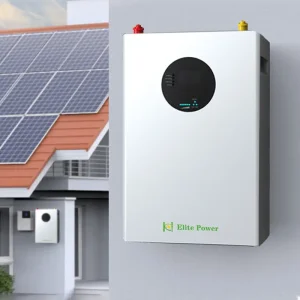
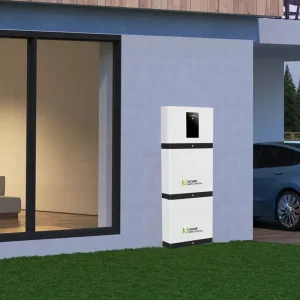
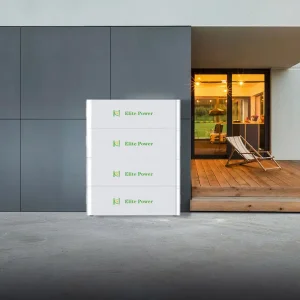
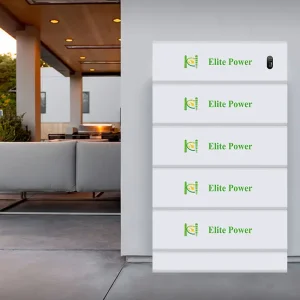
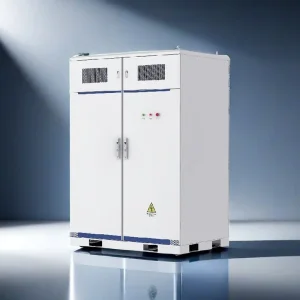
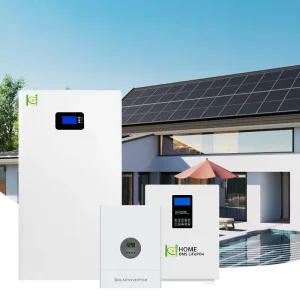
Modern home energy systems, such as 10.24KWH wall-mounted storage and 215KWH commercial cabinets, use high-resolution screens and lockable interfaces to monitor system health and thermal status in real time.
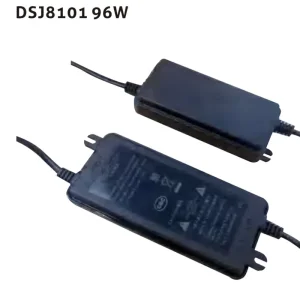
Medical display systems rely on low-noise connectors and medical-grade power supplies to prevent electromagnetic interference from compromising sensitive diagnostic equipment.
Control rooms monitor operations continuously. Using DisplayPort MST configurations allows a single source to drive multiple screens, reducing cabling complexity and hardware cost.
ELITE POWER is a subsidiary of GRACE DEVELOPERS CO., LIMITED, with branches in Hong Kong, Shenzhen, and Dongguan, China. As a new energy and power system manufacturer, we integrate scientific research, custom design, precision engineering, and global logistics.
We specialize in smart energy storage solutions, power supplies, and high-frequency connectors. Our product catalog includes household energy storage systems, industrial energy storage cabinets, super-capacitor jump starters, lightweight portable power stations, and custom furniture power accessories.
We have obtained ISO9001:2015 and ISO14001:2015 management system certifications. Through strategic partnerships, we develop and distribute integrated solar-storage-charging systems and power interfaces for global industrial markets.
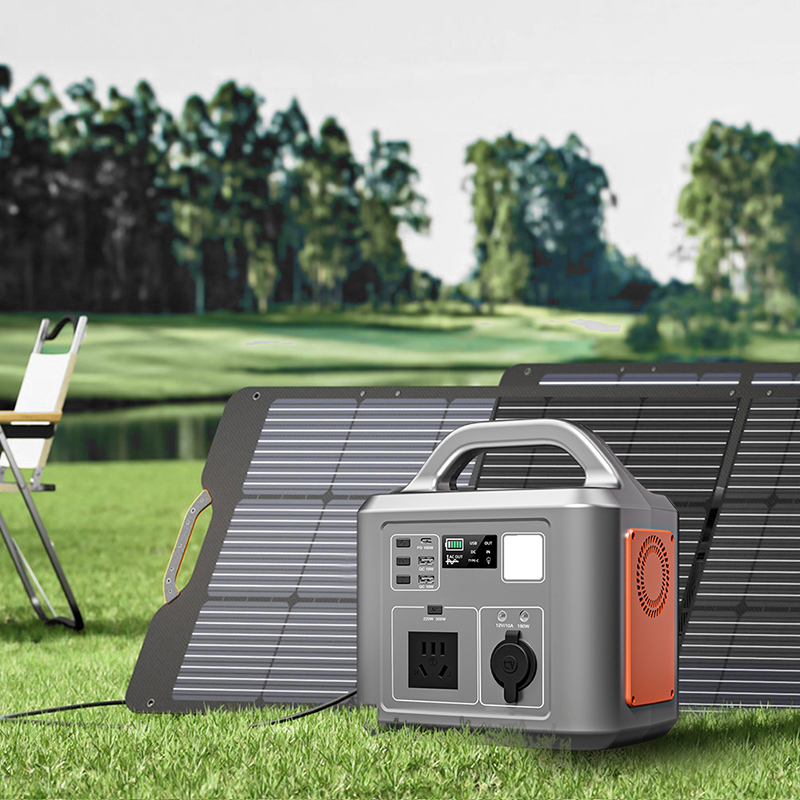
Integrating research, production, and global supply logistics to support energy and screen infrastructure.

We operate with honesty and transparency in all our business dealings.

We are committed to pushing the boundaries of renewable energy technology to create a greener future.

We strive for excellence in everything we do, from product development to customer service.

We believe that teamwork and partnership are most important for our partners.
Addressing the common questions and technical requirements of procurement officers sourcing display connectors and power solutions.
For standard display connectors (such as HDMI or DisplayPort adapters), the typical production lead time ranges from 15 to 25 days. Custom toolings, specialized overmolds, or bespoke pinout configurations can extend this timeframe to 35-45 days, which includes the prototyping and verification stages.
To ensure signal integrity, our manufacturing partners employ premium physical shielding, including aluminum-mylar foils and tinned copper braiding. They also use automated Time-Domain Reflectometry (TDR) testing to verify differential impedance (typically targeted at 100 ohms ± 10% for high-speed digital lines), keeping crosstalk and return loss within specification.
Yes. Under the USB Power Delivery (USB-PD) 3.1 standard, USB-C connections can deliver up to 240W (48V at 5A) of power. This capability allows a single cable to transmit 8K DisplayPort video signals while simultaneously powering the connected monitor or charging the source notebook.
Procurement teams should verify that suppliers hold ISO9001:2015 (Quality Management) and ISO14001:2015 (Environmental Management) certifications. In addition, certifications such as UL, CE, RoHS, and REACH are essential to ensure compliance with international safety and environmental regulations.
For harsh environments, connectors with physical locking mechanisms are recommended. DVI and VGA cables feature thumb-screws, while DisplayPort connectors include a mechanical latch. For USB-C or HDMI ports, custom ruggedized housings or industrial IP67-rated screw-lock shells are often used to prevent accidental disconnects.
Sourced for commercial projects, remote power setups, and smart home installations.
 ELITE POWER