Featured wholesale products engineered with next-level industrial components, compliance-certified for international distribution.
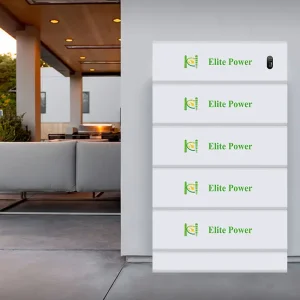
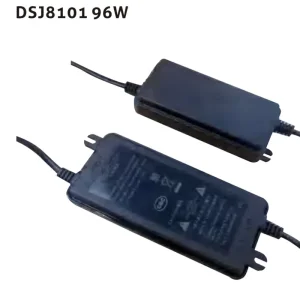
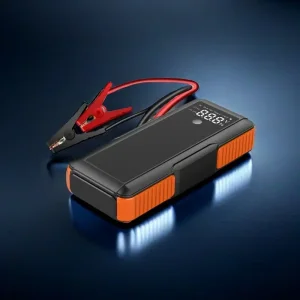
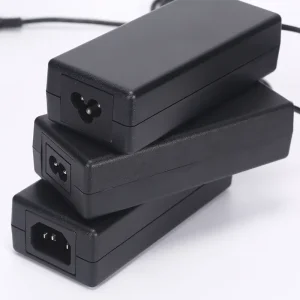
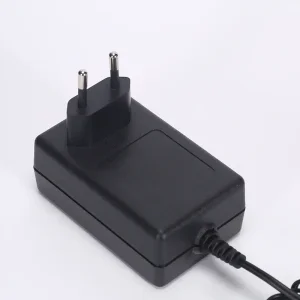
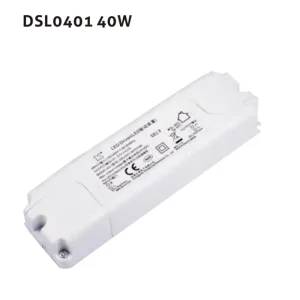

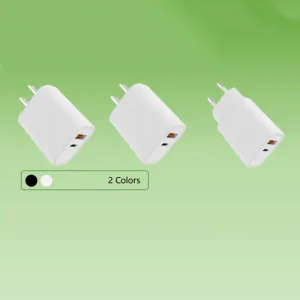
ELITE POWER, operating as an innovative energy design and engineering leader, is a proud subsidiary of GRACE DEVELOPERS CO., LIMITED. With key regional branches strategically established in Hong Kong, Shenzhen, and Dongguan, China, we operate at the epicenter of the global hardware development supply chain. We specialize in the conceptualization, manufacturing, testing, and distribution of intelligent power solutions and multi-protocol interfaces.
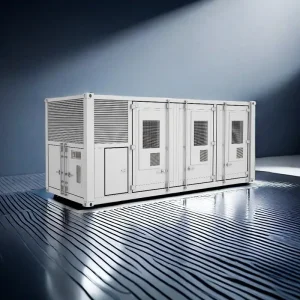
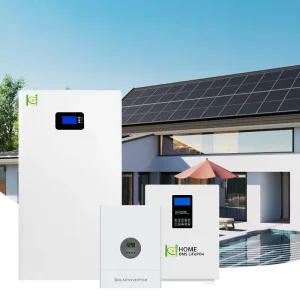
Our comprehensive production framework integrates green energy systems with precise consumer device connectivity. Our product portfolio spans household energy storage networks, rugged industrial power setups, advanced USB Power Delivery (PD) systems, and highly integrated multi-port adapters engineered for modern computational devices.
In 2022, ELITE POWER signed deep strategic cooperation agreements with tier-one US partners, cementing our commitment to co-develop commercial charging configurations, solar-storage systems, and heavy-duty emergency activation components.

A technical guide on high-performance hubs, power delivery protocols, and shielding standards.
In modern enterprise environments, the USB Type-C interface serves as the universal standard for power transmission, high-speed data piping, and high-definition video output. Understanding the mechanical, electronic, and protocol configurations of high-quality USB-C Multiport Adapters is crucial for global buyers, distributors, and procurement teams looking to secure stable components from OEM/ODM factories.
Modern multiport adapters are no longer simple passive splitters. They are complex micro-system units containing integrated chipsets designed to manage dynamic bandwidth allocation. As devices transition to USB4 and Thunderbolt 4, data transmission speeds can scale up to 40Gbps. This high-capacity channel allows a single USB-C port to host multiple downstream lines, including:
A critical engineering challenge in USB-C adapter development is the safe routing of high-wattage power. High-tier multiport hubs must support intelligent power path management. When an external PD charger (e.g., a 100W or 140W GaN adapter) is connected to the USB-C charging port, the hub must dynamically negotiate the power profile:
The adapter's system controller (typically chipsets from Cypress, Parade, or VIA) dynamically reserves 10W-15W of power to run its own internal interfaces (HDMI converter, USB ports, card reader). The remaining 85W-125W is passed safely to the host device.
Without integrated protection circuits, a power surge from the charger could bypass the adapter and damage the host computer's motherboard. Our factories build multi-stage protection barriers (OVP, OCP, ESD protection diodes) into every PCB design.
High-speed data rendering and PD charging generate heat. Premium manufacturing processes utilize thermal conductive silicon pads paired with structural aluminum alloy enclosures to keep core temperatures below 45°C during maximum operation.
A common issue with cheap USB-C adapters is wireless network dropouts. Specifically, unshielded USB 3.0 lines can leak radio interference that disrupts 2.4GHz Wi-Fi signals and Bluetooth connections. Our factories address this problem by utilizing comprehensive metal shielding cages around the USB-C connector pins, employing multi-layer PCB designs with dedicated ground planes, and adding precise metal foil wrapping inside the adapter assembly.
| Interface/Component | Standard Protocol Support | Primary Integrated Chipset Brands | Thermal Design Limit |
|---|---|---|---|
| USB-C Host | USB 3.2 Gen 2 / USB4 (PD 3.0 / PD 3.1) | Cypress (Infineon), VIA Labs (VLI) | -20°C to 85°C Junction |
| HDMI Port | HDMI 2.0b / HDMI 2.1 (DSC support) | Parade Technologies, Realtek, Synaptics | < 50°C Enclosure Temp |
| Ethernet Interface | IEEE 802.3ab 1000Base-T / 2.5GBase-T | Realtek, ASIX | Low-power active sleep modes |
| Power Delivery Input | Up to 100W Pass-through (optional 240W EPR) | Texas Instruments, Richtek | OVP dynamic cut-off at 24V |
Delivering reliable, certified electronic components across international logistics routes.
Key factors that wholesale importers, procurement officers, and brand owners must analyze to protect their supply chains.
Selecting a reliable USB-C multiport adapter factory requires looking beyond unit pricing. Because these devices handle power input and high-speed data transmission, poor manufacturing quality can lead to high return rates and damage to your brand's reputation. Here are the core factors we focus on to ensure long-term reliability:
A premium factory must support both OEM (Original Equipment Manufacturer) and ODM (Original Design Manufacturer) solutions. This includes access to specialized CNC machinery, high-precision plastic injection molds, and laser engraving lines for custom logos. Importers can select from several common shell options:
Manual board testing is insufficient for modern high-frequency adapters. Reliable factories utilize computerized automated test systems (ATE) to evaluate every assembly step:
Using digital oscilloscopes to verify signal integrity across DisplayPort and USB 3.0 data paths, confirming clean signal transmission free from structural jitter or crosstalk.
Simulating multiple charger configurations (e.g., 5V, 9V, 15V, 20V, and 28V) to ensure the integrated PD controller switches power states safely without dropping connection to the device.
Subjecting sample batches to environmental chambers to test how well the metal plating on the USB-C ports resists corrosion and handles wear in high-humidity environments.
Entering EU, US, and regional markets requires strict compliance with international testing standards. Working with an uncertified factory can result in custom hold-ups or product recalls. As a certified manufacturer, our facilities comply with major global regulations, including:
The foundation of our business partnerships, driving technology design and customer satisfaction.
We build trusted relationships through honest production schedules, clear component specifications, and direct pricing policies.
We continuously invest in refining high-frequency PCB layouts, improving thermal dissipation, and updating USB protocol support.
Our engineering support teams guide you from initial prototyping and component selection through final customs clearance.
We design product variants matching target markets to help distributors build competitive retail positions.
Exploring upcoming trends in silicon design, high-wattage power delivery, and smart office systems.
The USB-C market is evolving rapidly. To keep pace with technology trends, our R&D roadmap focuses on three main developments:
Traditionally, USB-C docking hubs and chargers have been separate devices. The next generation of multiport adapters merges these two categories. By utilizing Gallium Nitride (GaN) transistors, we can build compact travel docks that plug directly into AC wall sockets. These designs deliver up to 100W of power directly to the notebook while hosting multiple HDMI, USB-A, and SD Card slots, all within a compact housing.
The updated USB PD 3.1 specification supports voltages up to 48V, enabling power outputs up to 240W over a single EPR cable. This standard is designed to power high-end gaming laptops, workstation monitors, and mobile medical equipment. Our engineering team is currently testing next-generation smart controllers to support these high-power profiles safely.
With smart office spaces on the rise, adapters must adapt dynamically. Our upcoming hubs will feature intelligent bandwidth allocation, letting users prioritize display quality (e.g., dual-monitor setups) or high-speed data transmission depending on their current workspace layout.
Expert answers addressing MOQ requirements, custom branding, and technical specifications for commercial buyers.
Explore our industrial-grade power units, designed for stable commercial and residential applications.
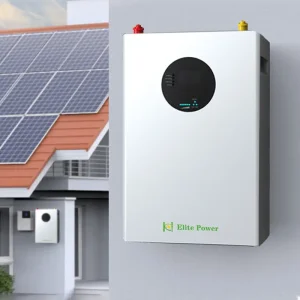

 ELITE POWER