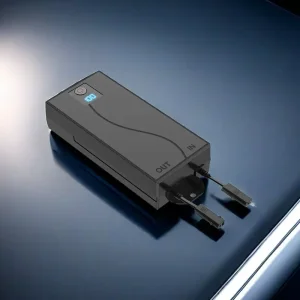
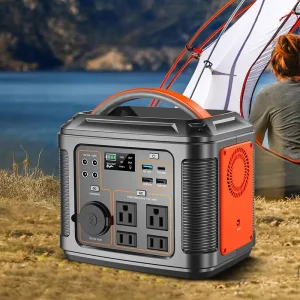
As logistics fleets, automotive dealerships, marine networks, and industrial backup systems scale globally, the demand for high-reliability car battery trickle chargers and smart maintenance systems has intensified. Modern automotive lead-acid, AGM, Gel, and LiFePO4 batteries suffer irreversible sulfation or capacity loss during extended storage, highlighting the need for active management.
Fleet operators in cold climates and marine networks face high vehicle downtime costs from dead batteries. Advanced ODM trickle chargers act as grid-integrated maintainers, ensuring that emergency vehicles, heavy-duty trucks, and auxiliary systems remain at peak charge permanently.
Industrial AGVs, forklifts, and backup generator batteries require continuous voltage tracking to avoid chemical degradation. Smart trickle charging algorithms provide high-efficiency maintenance without overcharging risks, lowering total cost of ownership (TCO) for automated warehouses.
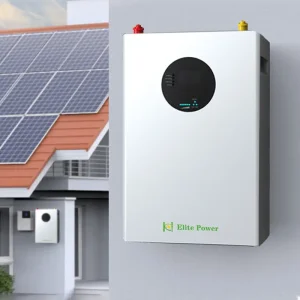
The emergence of localized solar microgrids and household battery banks has aligned charger manufacturing with smart energy storage systems. Modern custom trickle chargers feature dynamic communication ports to regulate grid draw during peak pricing windows.
| Feature Spec | Traditional Linear Charger | High-Frequency Pulse Maintainer | Advanced ODM Smart Trickle Charger |
|---|---|---|---|
| Charging Process Efficiency | 55% - 65% (High heat dissipation) | 75% - 85% (Medium loss) | > 92% (High-efficiency switching topology) |
| Multi-Stage Maintenance | None (Constant voltage/current) | 2 or 3 stages (Basic float) | 5 to 9 stages (Desulfation, soft start, float, pulses) |
| Dynamic Thermal Compensation | No dynamic response | Static thermal shutoff | Continuous sensor tracking (-40°C to +70°C) |
| Safe Compatibility | Lead-acid only | Lead-acid & AGM | Lead-Acid, AGM, Gel, LiFePO4, Supercapacitors |
Our ODM manufacturing architecture focuses on prolonging battery cycle life while preventing common battery failures such as plate sulfation, thermal runaway, and electrolyte loss.
We design dynamic charging hardware tailored to industrial parameters. Our custom setups support different input environments, varied output configurations, and communication interfaces for B2B fleet logistics.
Heavy duty fleet storage hubs in Canada and the Northern US face extreme sub-zero temperatures that can reduce battery capacity by up to 50%. Our temperature-compensated trickle chargers automatically adjust charge voltage upwards to overcome internal battery resistance in cold weather.
European distribution depots rely on heavy stop-and-go operations where batteries rarely reach full charge from alternators. Integrated multi-port wall-mounted trickle chargers maintain vehicle readiness overnight, reducing early battery failure in hybrid and stop-start delivery fleets.
Tropical environments with high humidity and heat speed up battery self-discharge and grid corrosion. Our smart maintainers feature IP67-rated waterproof housings and lower float voltage limits to protect seasonal marine craft and agricultural machinery from thermal runaway.
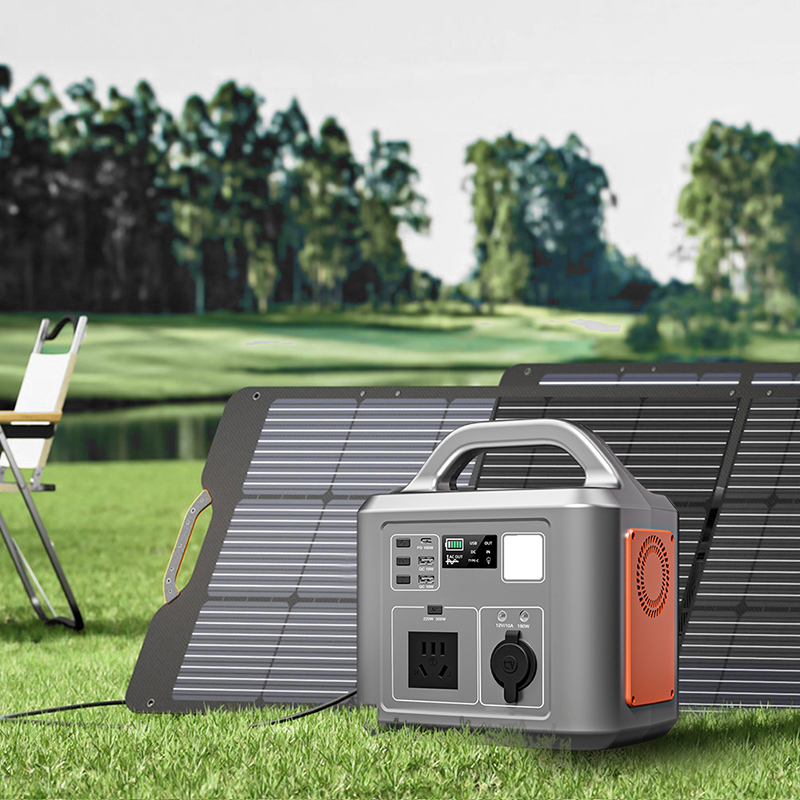
ELITE POWER, a subsidiary of GRACE DEVELOPERS CO., LIMITED, operates specialized branches in Hong Kong, Shenzhen, and Dongguan, China. As a modern green energy enterprise, we integrate research, design, manufacturing, and sales into specialized new energy storage solutions.
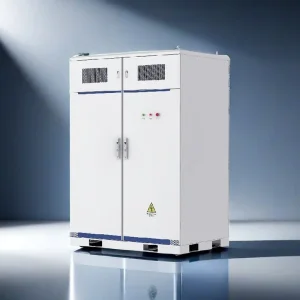
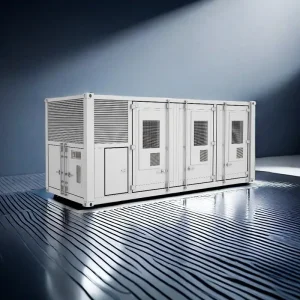
Our core catalog spans residential energy storage setups, commercial energy storage cabinets, battery containers, supercapacitor jump starters, portable power stations, truck lithium batteries, and furniture battery packs.
We operate in accordance with ISO 9001:2015 and ISO 14001:2015 standards, maintaining structured quality control systems. Through our 2022 US strategic partnership, we collaborate on optical storage, charging systems, heavy truck batteries, and emergency starter systems.

We operate with honesty and transparency in all our business dealings.

We are committed to pushing the boundaries of renewable energy technology to create a greener future.

We strive for excellence in everything we do, from product development to customer service.

We believe that teamwork and partnership are essential for mutual success.
The implementation of GaN semiconductors allows chargers to operate at higher frequencies with lower thermal outputs. This reduces component footprint by up to 40% while maintaining charging efficiencies above 95%, enabling compact, fanless industrial designs.
Future commercial battery maintenance systems will use built-in cellular or Bluetooth mesh connections to transmit battery health metrics directly to fleet management platforms, helping operators address weak batteries before field failures occur.
The shift toward LiFePO4 auxiliary batteries requires smart charging systems. Next-generation chargers dynamically read internal battery resistance to load the correct charging profile—whether for lead-acid, AGM, Gel, or Lithium—without user input.
Integrating auxiliary solar panels with standard AC input lines allows chargers to draw from renewable sources when available, reducing grid power consumption for municipal fleets and remote construction sites.
 ELITE POWER