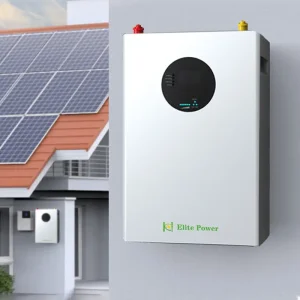
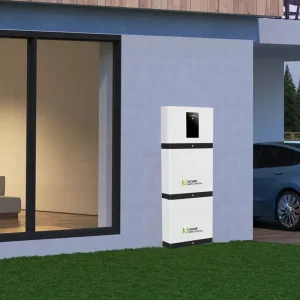
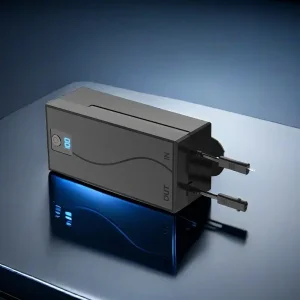
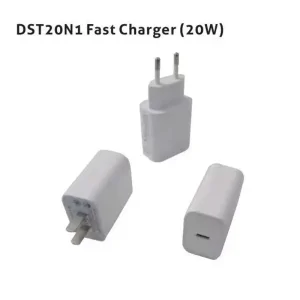
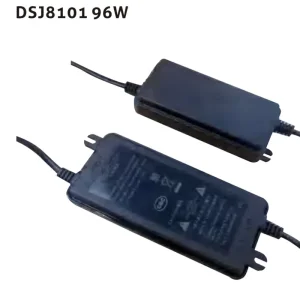
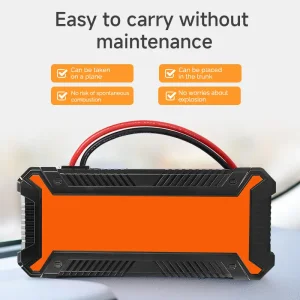
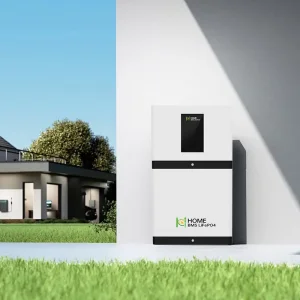
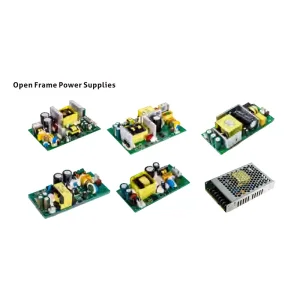
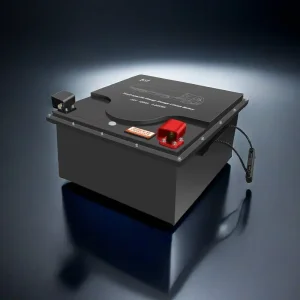
Industrial-grade energy storage units, custom home energy systems, and high-specification smart chargers.
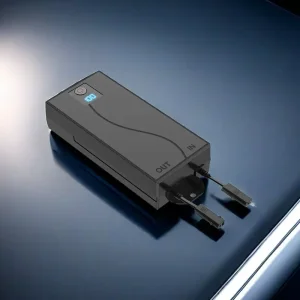
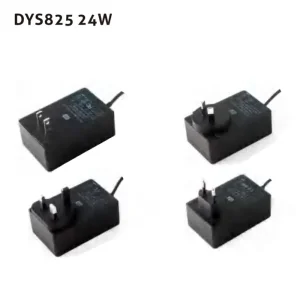
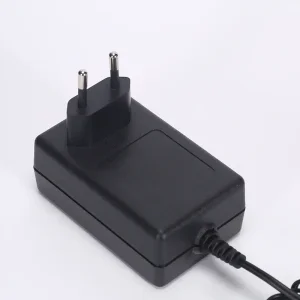
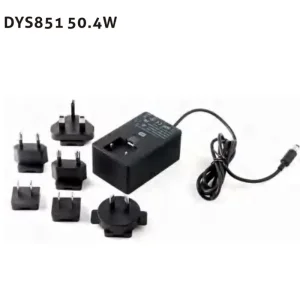
An Analytical Whitepaper on Commercial Demands, Safety Standards, and OEM/ODM Manufacturing Requirements
The global motorcycle trickle charger and battery maintainer sector is undergoing a profound paradigm shift. Historically classified as simple power-supply peripherals, modern trickle chargers have evolved into highly intelligent, microprocessor-governed energy management systems. This transformation is driven by two parallel trends: the rapid electrification of powersports machinery and the widespread integration of complex onboard telemetry systems within traditional internal combustion engine (ICE) motorbikes.
In standard consumer environments, motorcycles often experience prolonged periods of storage during winter seasons. During these dormant periods, modern motorcycle electronics—including GPS tracking systems, security alarms, and digital instrument clusters—maintain continuous parasitic power draws. If unmanaged, this static energy depletion leads to deep battery discharge, resulting in permanent sulfation within Lead-Acid (AGM/Gel) chemistries, or irreversible cell damage within modern Lithium-Ion (LiFePO4) systems. As a direct result, distributors, automotive component importers, and fleet logistics firms globally are actively seeking advanced, multi-stage ODM Motorbike Trickle Charger solutions that go beyond simple voltage supply, providing active cell diagnostics and precision charge cycles.
For strategic procurement managers, global distributors, and OEM brands, sourcing from a competent ODM manufacturer requires a comprehensive evaluation of component architecture and regulatory compliance. At the industrial level, trickle chargers must operate safely across diverse environmental conditions—ranging from high-temperature manufacturing assembly lines to sub-zero consumer garage installations. High-quality ODM manufacturers must implement intelligent temperature-compensated charging, IP65 to IP67 environmental sealing, and multi-chemistry charging algorithms (specifically optimized for both Lead-Acid and LiFePO4 batteries).
Features 7-stage and 9-stage micro-controlled profiles including desulfation, soft start, bulk charging, absorption, analysis, and float-maintenance phases.
Engineered with active spark-proof technology, reverse-polarity protection, short-circuit diagnostics, and real-time thermal throttling mechanisms.
Fully compliant with regional directives including CE, FCC, RoHS, UL, UKCA, and PSE to guarantee seamless market access and legal safety alignment.
Efficiency Conversion Rate
Quality Verified Facilities
Water & Dust Protection Grade
OEM Customization Guarantee
ELITE POWER is a proud subsidiary of GRACE DEVELOPERS CO., LIMITED. With key regional branches situated in Hong Kong, Shenzhen, and Dongguan, China, we operate as a leading, vertically integrated green new energy enterprise. Our core capabilities span across professional scientific research, design engineering, advanced manufacturing, and global sales.
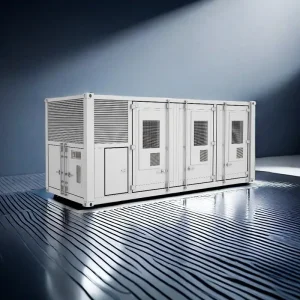
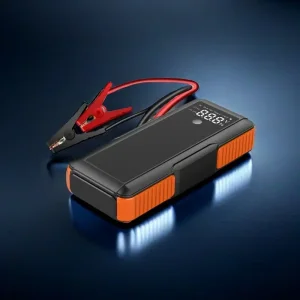
As specialists in intelligent green new energy storage solutions, we engineer and supply a broad suite of clean power products. Our robust catalog includes household energy storage systems, industrial and commercial energy storage cabinets, energy storage containers, super capacitor jump starters, portable power stations, heavy-duty truck lithium batteries, and smart furniture battery systems.
We maintain stringent quality assurance networks, having obtained ISO:9001:2015 quality management and ISO14001:2015 environmental management system certifications. In 2022, we formalized a strategic partnership with USA-based energy leaders, establishing deep optical storage, charging, and grid-integration initiatives to supply residential and industrial systems across North America.

We operate with honesty and transparency in all our business dealings.

We are committed to pushing the boundaries of renewable energy technology to create a greener future.

We strive for everything we do from product development to customer service.

We believe that teamwork and partnership are most important for partners.
Next-Generation Charging Topologies, Silicon Carbide (SiC) Integration, and Smart IoT Telemetry
The roadmap for motorcycle battery maintainers points toward three major developments: higher switching frequencies via wide-bandgap (WBG) semiconductors, universal chemistry adaptability, and cloud-enabled IoT telemetry. Traditional silicon-based topologies are increasingly replaced by Gallium Nitride (GaN) and Silicon Carbide (SiC) switching components. By utilizing these new materials, ODM manufacturers can design trickle chargers with higher power densities and smaller physical envelopes while reducing thermal losses by up to 40%.
Battery chemistries react differently under extreme temperatures. A charge profile calibrated for 25°C can overcharge a battery at 40°C, leading to thermal runaway, or undercharge it at 0°C, causing progressive plate sulfation. Advanced chargers feature real-time temperature sensing probes to dynamically adjust output voltage thresholds, ensuring a precise float charge in all climates.
Furthermore, as Lithium Iron Phosphate (LiFePO4) replaces lead-acid batteries in performance and electric motorcycles, chargers must adapt. LiFePO4 batteries cannot accept charges below 0°C without causing lithium plating on the anode, which ruins the cell. Next-generation ODM chargers feature automatic cold-temperature shutoffs or integrate dedicated warming cycles before applying current, protecting high-value lithium battery packs.
Beyond individual consumers, commercial fleets—such as delivery services, motorcycle sharing systems, and security agencies—require industrial-grade charging solutions. Implementing multi-bank racks with integrated diagnostics allows fleet managers to monitor the State of Health (SoH) and State of Charge (SoC) of dozens of vehicles at once, maximizing operational uptime.
Adapting Smart Charging Technologies to Diverse Industrial and Consumer Geographies
In regions like Northern Europe and Canada, motorbikes sit idle for up to six months. Advanced trickle chargers apply automatic desulfation pulses and constant float maintenance, preserving battery life until spring.
Delivery fleets running double shifts need reliable charging turnarounds. Fast-charging cycles paired with overnight maintenance stages ensure fleet motorbikes remain highly reliable with minimal down-time.
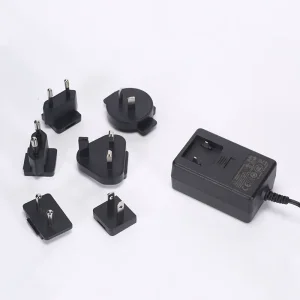
Automotive retailers and private labels require fully customized hardware, custom-branded housings, region-specific AC plugs, and customized packaging solutions matching localized market guidelines.
Essential Technical and Commercial Insights for Procurement Managers and Distributors
Explore our full range of high-efficiency switch-mode power supplies, supercapacitor jump starters, and commercial energy storage modules.
 ELITE POWER