Explore our premium selection of commercial-grade power modules, smart chargers, and integrated battery architectures optimized for global OEM/ODM deployment.
Unveiling the technological paradigm shift from standard rectifiers to adaptive, logic-driven automotive energy maintainers.
The global transition towards electrification and the compounding sophistication of modern vehicle architectures have transformed the requirements for standard battery maintenance. Modern vehicle batteries—ranging from traditional flooded Lead-Acid and enhanced flooded batteries (EFB) to Absorbent Glass Mat (AGM), Gel, and Lithium Iron Phosphate (LiFePO4)—demand adaptive charging algorithms to maximize lifecycle efficiency and prevent premature degradation.
As a leading OEM smart car battery charger factory, we integrate advanced microprocessor controllers that execute real-time diagnostics, dynamic thermal compensation, and pulse-width modulation (PWM) logic. These systems do not merely deliver electrical current; they analyze internal resistance, thermal profiles, and state-of-charge (SoC) metrics to dynamically calibrate charge output. This intelligence minimizes plate sulfation, thermal runaway risks, and battery outgassing, ensuring fleet operations, commercial distributors, and automotive brands receive safety-first operational continuity.
The geographic cluster of electronics development within Dongguan, Shenzhen, and Hong Kong facilitates an optimized bill of materials (BOM) sourcing ecosystem. Unlike localized regional fabricators, a high-capacity Chinese factory benefits from co-located semiconductor distributors, high-frequency transformer suppliers, and automated assembly operations. This infrastructure yields significant advantages:
ELITE POWER operates as a dedicated subsidiary of GRACE DEVELOPERS CO., LIMITED. With strategic hubs located in Hong Kong, Shenzhen, and Dongguan, China, we operate as a specialized high-technology enterprise specializing in the design, manufacturing, and international distribution of smart green energy solutions.
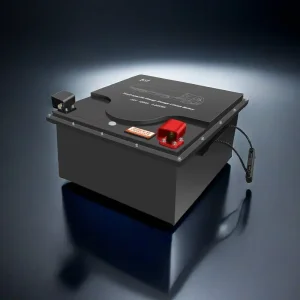
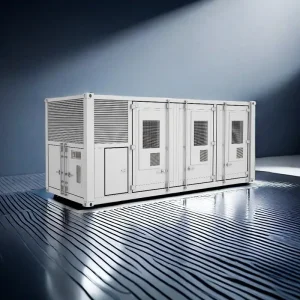
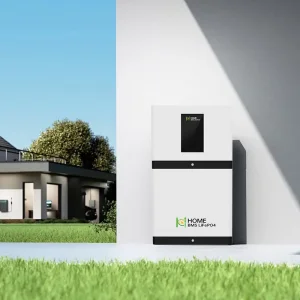
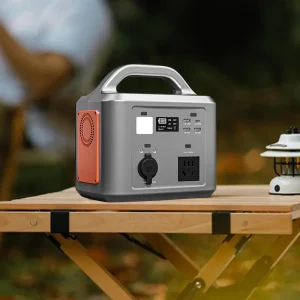
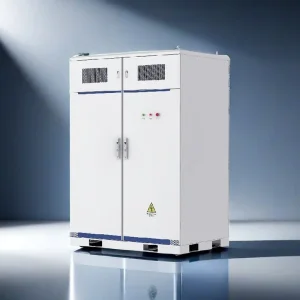
Our comprehensive technology portfolio extends beyond portable battery maintenance to support complete industrial systems. We specialize in household energy storage architectures, commercial-scale storage cabinets, containerized systems, heavy truck starting configurations, utility furniture packs, and sophisticated smart automotive battery maintainers.
We operate fully certified production lines conforming to ISO 9001:2015 and ISO 14001:2015 standards. Our strategic global partnerships, including co-development ventures in the United States, allow us to adapt product firmware and structural chassis designs to meet local standards and regulatory frameworks.
Our standard engineering parameters across commercial smart charger platforms:
| Parameter | Specification Scope |
|---|---|
| Input Voltage Ranges | 100-240V AC (50/60Hz) Universal Adaptability |
| Charging Chemistry Profiles | AGM, GEL, WET, EFB, Lead-Acid, LiFePO4 Lithium |
| Thermal Compensation | Automatic detection with dynamic current scaling (-20°C to +50°C) |
| Protection Topologies | Short-Circuit, Reverse Polarity, Over-Voltage, Spark-Proof |
| Ingress Ratings | IP65, IP67 dust/waterproof configurations available |
| Global Compliance | UL1236, CE-EMC, CE-LVD, FCC Part 15 Class B, RoHS |
Guiding principles driving our engineering design, production quality control, and client relationships globally.

We operate with honesty, supply chain transparency, and open communication in all B2B transactions and component sourcing operations.

Continuous integration of microcontrollers, efficient thermal packaging, and adaptive charging algorithms for green energy compatibility.

Rigorous engineering testing, quality control metrics, and premium support from development through to supply chain fulfillment.

Building long-term OEM partnerships by offering competitive pricing structures, flexible MOQ levels, and market protection strategies.
Engineered to deliver reliability across diverse operational environments, commercial sectors, and heavy industries.
Large distribution centers depend on robust fleet availability. Our smart chargers prevent parasitic drain on vehicles during downtime, integrating automatic float modes to maintain truck, bus, and auxiliary service batteries without risking dry-out.
Demonstration vehicles constantly display electronic functions, putting strain on batteries. Our silent-operation, spark-free smart maintainers provide continuous power to support electronics without cycling the battery, keeping floor inventory ready for test drives.
Marine systems require protection from moisture and vibration. We build sealed, waterproof (IP65/IP67) chargers with corrosion-resistant circuitry, designed to withstand wet conditions in recreational boating and industrial marine terminals.
Traditional automotive battery chargers rely on simple constant-voltage or constant-current parameters. If left unattended, this approach can overcharge or undercharge batteries depending on temperature and health. Our smart chargers resolve this with multi-stage diagnostic and recovery processes:
Stage 1: Desulphation: The charger utilizes high-frequency pulse modulation to breakdown lead-sulfate crystal accumulation on aging battery plates, restoring active material surface area and internal conductivity.
Stage 2: Soft Start: Implements a progressive current ramp to safeguard delicate battery grids, preventing thermal shock in deeply discharged cells.
Stage 3: Bulk Charge: Delivers maximum current safely to bring the battery to approximately 80% capacity quickly.
Stage 4: Absorption: Stabilizes voltage output while current dynamically decreases, ensuring the battery achieves full saturation.
Stage 5: Analysis: Automatically suspends current flow for a designated duration to monitor voltage retention, detecting internal cell failures or micro-shorts.
Stage 6: Recondition: Introduces controlled, localized gassing behavior to desegregate stratified acid layers in older cells, balancing electrolyte density.
Stage 7: Float Maintain: Adjusts output to keep the battery at 100% capacity during periods of inactivity, preventing self-discharge.
Stage 8: Pulse Maintenance: Delivers controlled maintenance pulses during long-term storage to keep plates free of sulfation and ensure the battery is ready to start.
Key information on customization, certifications, and procurement logistics for global distribution partners.
High-capacity energy modules, specialized heavy-duty starting batteries, and utility power configurations for commercial sectors.
 ELITE POWER