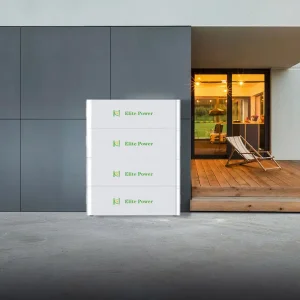
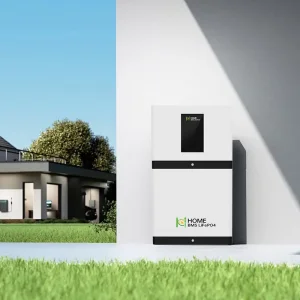
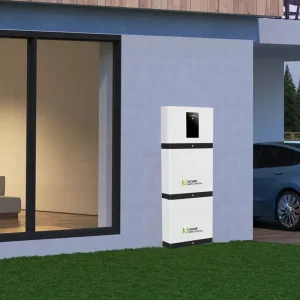
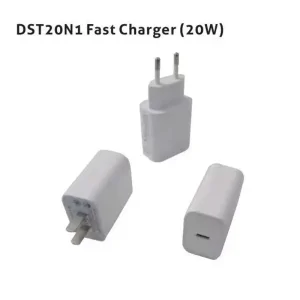
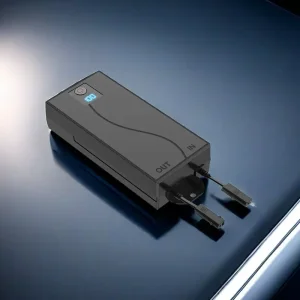
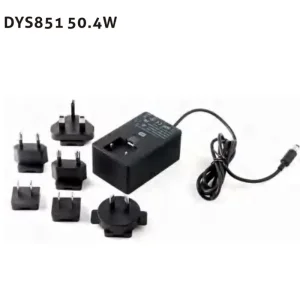
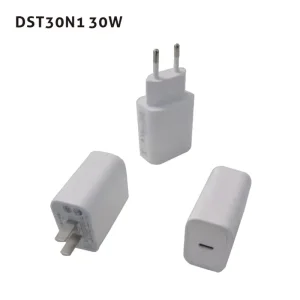
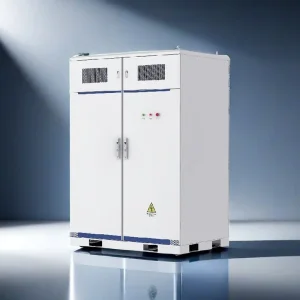
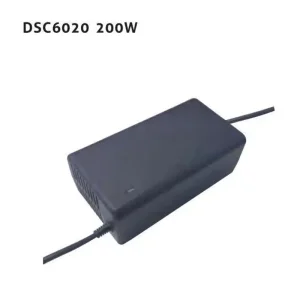
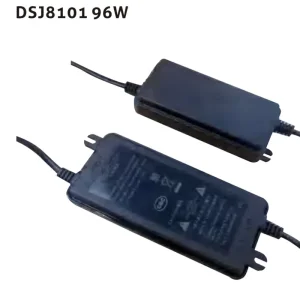
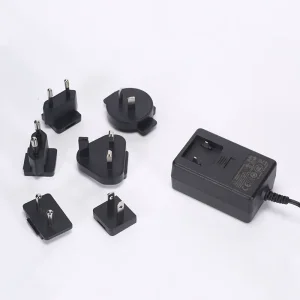
Explore our state-of-the-art power distribution hardware designed to meet rigorous international industrial criteria.
The global transition toward rechargeable energy storage systems has established the 12 Volt lithium battery charger as an essential cornerstone of industrial, automotive, and marine systems. Traditionally, 12V ecosystems relied heavily on Lead-Acid chemistry. However, the rise of Lithium Iron Phosphate (LiFePO4) and Lithium Nickel Manganese Cobalt Oxide (NMC) has disrupted this status quo. Standard lead-acid chargers are no longer compatible with these advanced lithium configurations, as lithium chemistries demand precise charging algorithms to avoid thermal stress and guarantee lifecycle longevity.
Modern 12V lithium-ion and LiFePO4 chemistry profiles require a dedicated constant-current/constant-voltage (CC/CV) profile. Unlike Lead-Acid, which relies on a float charge stage that can degrade lithium cells over time, modern smart chargers feature integrated Microcontroller Units (MCUs) that communicate directly with the battery's Internal Battery Management System (BMS). As a result, professional wholesale suppliers must focus on custom firmware, thermal thresholds, and communication protocols (such as CAN-bus, SMBus, and Bluetooth) to meet the technological demands of contemporary enterprises.
For global procurement officers and high-volume wholesale distributors, locating a dependable 12 Volt lithium battery charger supplier is a multifaceted task that extends far beyond looking at simple price tags. B2B procurement in this sector is guided by strict regulatory compliance, environmental endurance, and design-in customization capability. Below are the key engineering specifications that global buyers demand:
As a leading supplier in the energy technology landscape, ELITE POWER—operating under its parent organization, GRACE DEVELOPERS CO., LIMITED—coordinates a resilient supply chain with advanced manufacturing facilities in Hong Kong, Shenzhen, and Dongguan. This strategic geographic distribution bridges world-class engineering, rapid prototyping, and cost-effective bulk production.
By adopting China's Factory 4.0 production principles, our manufacturing lines integrate automated testing equipment (ATE), real-time optical inspection (AOI), and computer-controlled aging rooms. This level of automation keeps product defect rates under 150 Parts Per Million (PPM). Additionally, our vertical supply integration allows us to directly source raw materials, silicon substrates, and microchips. This structural advantage insulates our international partners from supply disruptions and price swings, ensuring reliable product delivery even during turbulent economic periods.
Our chargers are designed to operate reliably across a broad range of physical environments and industries:
In heavy commercial trucking, auxiliary power units (APUs) rely on 12V LiFePO4 batteries to power onboard HVAC systems and appliances during driver rest periods. Our dedicated charging systems integrate seamlessly into these vehicle electrical systems. They handle high-vibration environments, clean up dirty alternator power, and prevent starter-battery depletion.
Industrial Automated Guided Vehicles (AGVs) and Autonomous Mobile Robots (AMRs) run on 12V or 24V lithium systems that require rapid opportunity charging. Our industrial-grade chargers deliver high current rates without shortening battery cycle life, enabling warehouses to run 24/7 with minimal fleet downtime.
Salty air, moisture, and extreme heat present harsh operating environments for electronic components. Our IP67-rated waterproof chargers feature fully sealed, epoxy-potted designs that prevent salt corrosion while maintaining high thermal efficiency through passive heat dissipation.
Elite Power: A Subsidiary of Grace Developers Co., Limited
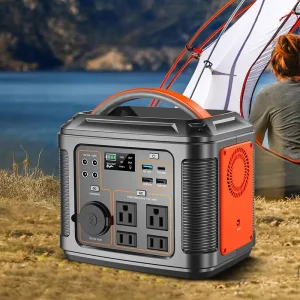
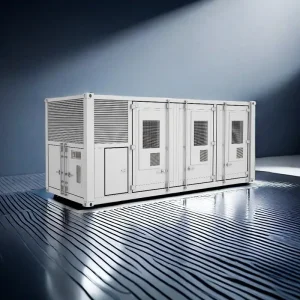
ELITE POWER, a subsidiary of GRACE DEVELOPERS CO., LIMITED, operates regional branches in Hong Kong, Shenzhen, and Dongguan, China. As an advanced energy enterprise, we integrate research, design, production, and distribution. We specialize in green energy storage systems, including residential energy storage systems, industrial and commercial cabinets, shipping container energy systems, super-capacitor jump starters, portable power stations, heavy truck batteries, and custom furniture power packs.
In 2022, we established a strategic partnership with US collaborators to target the optical storage and charging markets in North America. This collaboration covers home energy storage, industrial power architectures, emergency activation systems, and heavy-duty truck parking battery integration.


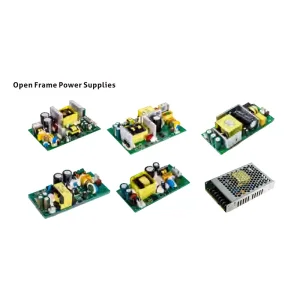
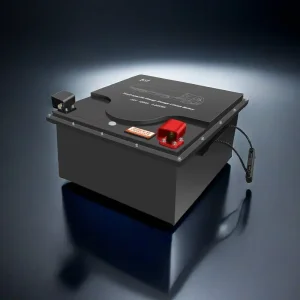
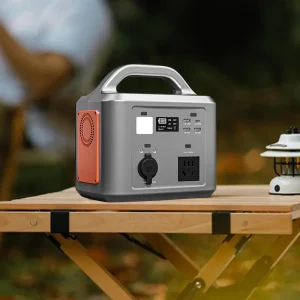
Explore our technical portfolio designed for demanding B2B operational applications.
 ELITE POWER