High-performance charging modules and energy management solutions designed for demanding industrial, consumer, and backup architectures.

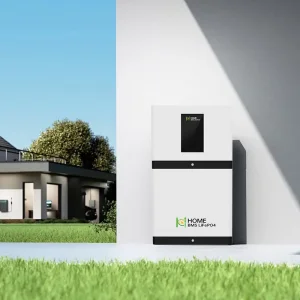
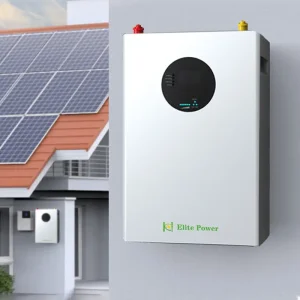
In the rapidly evolving battery technology landscape, the paradigm of the single-chemistry, dedicated charging brick has become obsolete. Modern industrial systems, medical machinery, micro-mobility transport fleets, and commercial energy networks utilize a diverse range of electrochemical systems—including Lithium-Iron Phosphate (LiFePO4), Lithium Nickel Manganese Cobalt Oxide (NMC), Lithium Titanate (LTO), and high-capacity supercapacitors. Designing, certifying, and manufacturing a dedicated charger for each individual chemistry is economically unviable and creates logistics friction.
As a premier ODM Universal Battery Charger Supplier, ELITE POWER engineering departments develop configurable, multi-chemistry charging architectures. These systems use dynamic digital signal processor (DSP) algorithms to automatically detect, negotiate, and safely execute charging cycles across varying nominal voltages, power ratings, and thermal parameters. This whitepaper analyzes the engineering topologies, safety protocols, and supply chains supporting global original equipment manufacturers (OEMs).
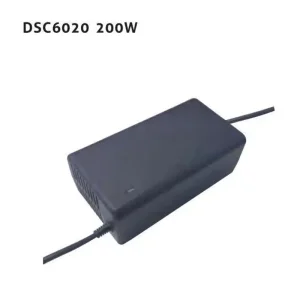
ELITE POWER's R&D efforts focus on two major areas: thermal efficiency and energy density. By transitioning our desktop and wall-plug charger platforms to Gallium Nitride (GaN) power transistors, our design engineers have decreased device volume by 35% while keeping thermal dissipation at industry-low levels.
Traditional silicon-based MOSFET structures suffer from severe switching losses at high frequencies. Our GaN integrations achieve switching frequencies exceeding 150kHz, enabling the use of much smaller planar inductors and capacitors. This reduces overall product footprints while maintaining conversion efficiencies of up to 96%.
To comply with stringent EU harmonic emission regulations and maintain power factors above 0.98, our chargers utilize active power factor correction (PFC) circuitry linked to a primary LLC resonant converter. This enables Zero Voltage Switching (ZVS), which limits EMI and stress on internal components.
Our universal systems run custom firmware on 32-bit ARM Cortex-M microcontrollers. This allows real-time adjustment of current and voltage paths via CAN bus, SMBus, I2C, or PMBus communications. It supports proprietary and standardized protocols, including USB-PD 3.1 (Extended Power Range up to 240W).
This versatile hardware allows a single charging unit to configure itself dynamically for different battery packs. For example, a heavy-duty industrial mobile unit might run at 48V, while a handheld scanning terminal charges at 5V or 9V. The charger communicates directly with the battery management system (BMS), reads the cell profile, checks temperature limits, and adapts its output stage accordingly.
Universal battery chargers operate in diverse and demanding physical environments. Compliance with national standards is essential to prevent thermal runaway, shield users from mains voltage, and prevent electromagnetic interference. We build safety margins into our designs, ensuring easy regulatory compliance across global jurisdictions.
| Target Sector | Standards Compliance | Key Testing Parameters & Implementation Details |
|---|---|---|
| Medical Grade Power Supplies | IEC/EN 60601-1 (4th Ed), 2x MOPP | Reinforced insulation barrier. Leakage current is restricted to under 100µA to prevent microshock hazards in patient-care environments. |
| Industrial Charging Infrastructure | UL 1564, EN 62368-1 | IP65-rated enclosures for dust and moisture protection. Rugged vibration resistance for forklifts, material handling equipment, and AGVs. |
| Consumer & Commercial Tech | UL 62368-1, CE, FCC Class B | Low stand-by power draw (<0.21W), meets Energy Star Level VI criteria, with integrated protection against overvoltage, overcurrent, and short-circuits. |
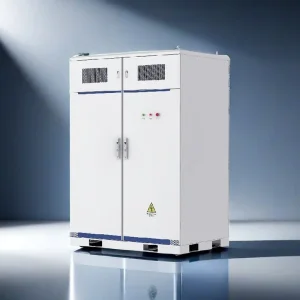
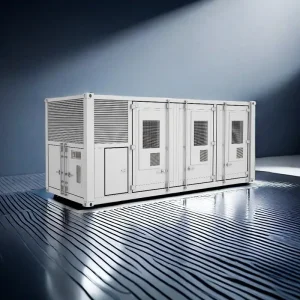
| Energy Storage Systems (ESS) | UL 9540A, UL 1973, CE-EMC | Heavy-duty thermal control loops interface with commercial battery storage units (such as our 215kWh systems) to manage pack temperature. |
Every unit leaving our facilities undergoes 100% full-load dynamic burn-in testing, automatic insulation tests, and complete functional verification. Our production facilities maintain active certifications under ISO 9001:2015 for quality management and ISO 14001:2015 for environmental protection, providing documented traceability for every component.
Universal battery chargers from ELITE POWER serve critical roles across primary commercial and industrial fields:
Logistics hubs deploy automated guided vehicles (AGVs) using different battery chemistries (such as LTO for rapid-charge cycles and LiFePO4 for sustained running times). Our universal charging stations detect which AGV has docked, communicate via infrared or RF links, and deliver the precise charge profile required without operator input.
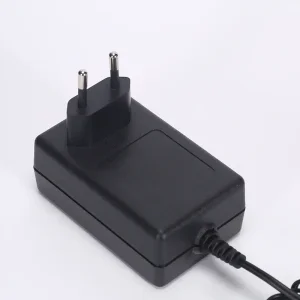
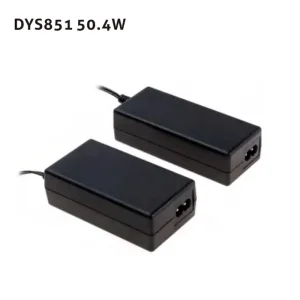
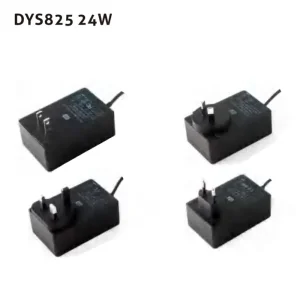
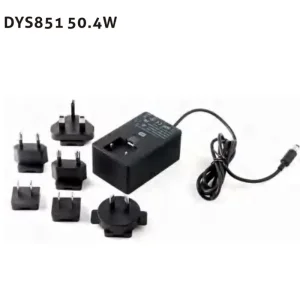
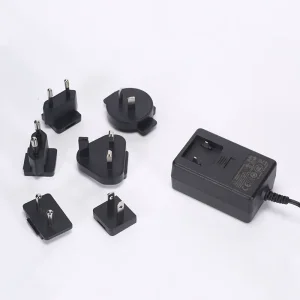
Equipment like medical ventilators, portable oxygen concentrators, and diagnostic monitors require highly stable power sources. Our 24W and 50.4W medical wall-plug units deliver constant-voltage, constant-current profiles with low output ripple, ensuring zero interference with sensitive patient biosensors.
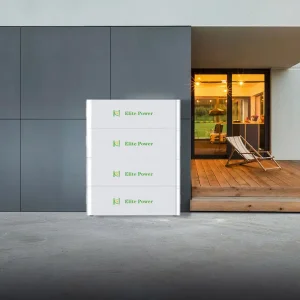
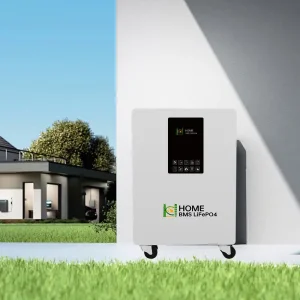
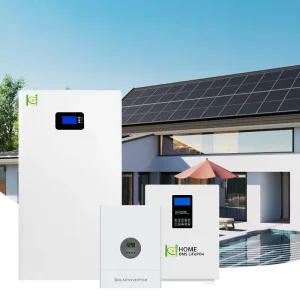
Modern smart grids blend solar photovoltaic (PV) generation with decentralized storage. Our universal chargers integrate with stackable domestic systems (up to 19.2kWh) and larger industrial-scale storage containers (1MWh to 2MWh). They automatically balance high charge rates with cell longevity to maximize system ROI.
To maintain a technical advantage in the power electronics market, our engineering teams are developing several next-generation capabilities:
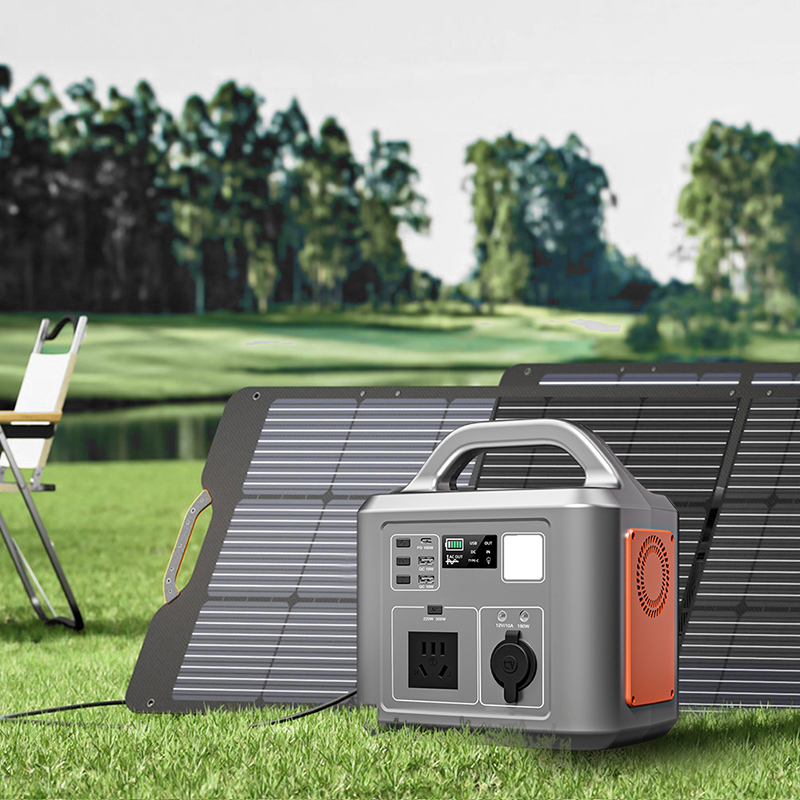
ELITE POWER, a subsidiary of GRACE DEVELOPERS CO., LIMITED, operates branches in Hong Kong, Shenzhen, and Dongguan, China. We are an integrated new energy enterprise combining scientific research, design, manufacturing, and global sales. We specialize in green energy storage systems, industrial energy cabinets, portable power systems, truck lithium power packs, and specialized chargers.
We recently established a strategic cooperation agreement with partners in the United States to develop integrated solar-storage-charging systems. This initiative includes residential energy storage units, commercial installations, and heavy truck parking batteries designed for emergency power.


Explore our full line of commercial battery chargers, interchangeable medical power supplies, and commercial energy systems.
Detailed answers to common questions about universal charger architecture, system integration, and engineering specifications.
Dynamic chemistry support relies on a microcontroller-driven control loop. When a battery connects, the charger uses SMBus, I2C, or CAN bus to read parameters from the pack's BMS, including nominal voltage, thermal thresholds, and target charge rates. If no BMS is present, the charger runs safety-check algorithms to detect voltage limits and battery resistance before starting a matching constant-current/constant-voltage (CC/CV) profile.
Gallium Nitride (GaN) features high electron mobility and band gap, allowing it to switch frequencies much faster than traditional silicon MOSFETs while lowering thermal losses. This allows us to use smaller internal magnetics and output filters. The result is a lighter, more compact product that generates less waste heat and operates at higher conversion efficiencies.
Medical-grade equipment must meet the IEC 60601-1 standard. This includes 2x MOPP (Means of Patient Protection) isolation to protect patients and operators from electrical leakage. Medical chargers must also feature low leakage current (often <100µA) and pass strict EMI/EMC testing to prevent interference with nearby monitoring hardware.
Yes, our industrial chargers feature interface protocols like CAN bus, RS485, and Modbus TCP. These allow the chargers to coordinate with commercial energy cabinets, such as our 215kWh systems. This integration enables remote management, state-of-charge tracking, and real-time power modulation based on utility load requirements.
We provide a complete OEM/ODM development path. This begins with initial hardware engineering and topology design at our Shenzhen facility, followed by prototype thermal profiling and testing. We then transition to pilot runs and scale production at our Dongguan factory. Our compliance team coordinates all international safety approvals (UL, CE, FCC, RoHS) to match client delivery timelines.
 ELITE POWER