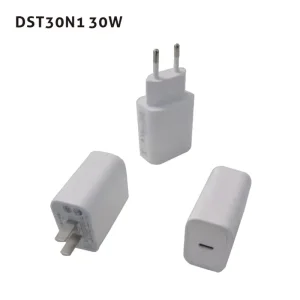
The global electronics industry is undergoing a structural paradigm shift driven by technological convergence, environmental regulations, and user experience standardizations. The transition from proprietary charging cables and fragmented ports to a unified USB Type-C (USB-C) interface with USB Power Delivery (PD) protocols represents a major milestone in global consumer electronics. For multi-national corporations, logistics hubs, enterprise offices, and telecommunications suppliers, procuring high-performing chargers from an established ODM Usb C Charger Adapter Factory is no longer just about commodity sourcing; it is a critical strategy to enhance supply chain resilience, brand equity, and carbon footprint metrics.
Under the legislative guidance of directives like the European Union’s common charger mandate, electronic device categories from smartphones to laptops must incorporate USB-C ports. This regulatory sweep has triggered a surge in the need for reliable ODM USB-C charger factories. These factories must deliver highly optimized, certified, and compact power adapters capable of negotiating multi-voltage outputs across various hardware ecosystems. Working with a leading OEM/ODM partner ensures access to the cutting-edge semiconductor materials, custom structural designs, and international laboratory approvals needed to bring products to global markets quickly.
Modern chargers are not mere transformers; they are highly integrated computers operating complex state machines. They dynamically adjust current and voltage parameters based on continuous communications between the host device and the power control unit. This technological sophistication requires advanced manufacturing standards, cleanroom assembly operations, and rigid component selection procedures. Our facilities deliver these capabilities, helping businesses succeed in a highly competitive global market.
Gallium Nitride (GaN) features a wider bandgap than traditional Silicon. This property allows electrical currents to traverse components at higher speeds and voltages while generating significantly less heat. This efficiency permits components to be packed closer together, reducing the physical size of a 65W charger to the size of an older 20W adapter.
Advanced micro-controllers embedded in our ODM adapters dynamically negotiate power parameters. Utilizing USB PD 3.0 / PD 3.1 Extended Power Range (EPR) and Programmable Power Supply (PPS), a single multi-port charger can route 100W to a laptop while simultaneously supplying 18W to a mobile device.
To operate seamlessly across global consumer ecosystems, our ODM chargers are engineered to support multiple protocols alongside USB PD, including Qualcomm Quick Charge (QC), MediaTek Pump Express, Samsung AFC, and Huawei FCP, providing a truly universal charging solution.
| Performance Indicator | Legacy Silicon Chargers | First-Generation GaN (GaN I) | Advanced GaN (GaN II / III - Ours) |
|---|---|---|---|
| Power Efficiency | 80% - 85% | 88% - 91% | 93% - 96.5% |
| Power Density | 0.3W - 0.5W/cm³ | 0.8W - 1.2W/cm³ | 1.8W - 2.5W/cm³ |
| Switching Frequency | 50kHz - 100kHz | 150kHz - 300kHz | 500kHz - 1.2MHz |
| Average Working Temp | 65°C - 75°C | 55°C - 65°C | 40°C - 50°C (Under full load) |
| Volume Reduction (vs Silicon) | Baseline (0%) | 35% - 45% Smaller | 60% - 75% Smaller |
The deployment of USB-C charger technologies extends far beyond consumer retail packaging. In the modern commercial environment, high-output power adapters are critical infrastructure components. For instance, global hospitality brands, corporate offices, educational networks, and shipping providers are overhauling their spaces to transition from traditional AC outlets to dedicated, high-speed USB-C charging stations. By integrating multi-port adapters with output configurations ranging from 65W to 240W, businesses can provide unified, rapid charging support for laptops, tablets, and smart accessories.
In industrial environments, ruggedized chargers with custom chassis form-factors are increasingly required. Smart medical equipment, portable telemetry kits, warehouse scanning devices, and mobile point-of-sale terminal systems all require stable DC input profiles. Because these applications are deployed in demanding environments, their chargers must have high ingress protection (IP) ratings, fire-retardant enclosures, and safety features like over-temperature protection (OTP) and over-current protection (OCP). An experienced ODM Usb C Charger Adapter Factory helps businesses design custom circuitry that meets these demanding operating standards.
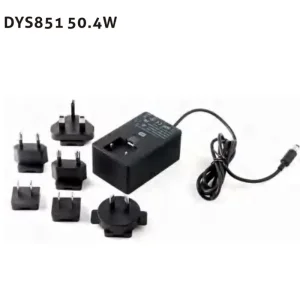
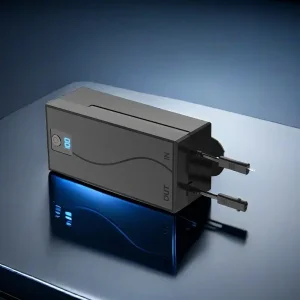
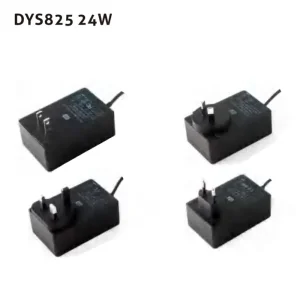
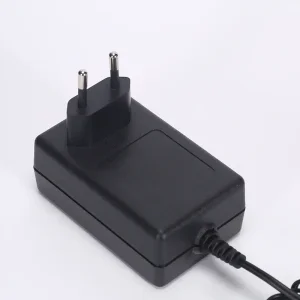
Additionally, the rapid growth of hybrid workforces has increased the demand for multi-purpose travel chargers. Today's business professionals require a single, lightweight adapter capable of charging their primary laptop, backup phone, and wireless accessories simultaneously. This change in user habits has made multi-port GaN wall chargers a key category for global retailers and corporate gifting projects. ODM manufacturers help customize these adapters with interchangeable plug mechanisms (US, EU, UK, AU standards), allowing seamless travel across international power grids.
When considering large-scale electronic production, the Shenzhen-Dongguan industrial corridor in Guangdong, China, offers unmatched advantages. This region has built the world's most concentrated, vertically integrated electronics supply chain. For charger manufacturing, this means raw materials, high-frequency transformers, precision-wound copper coils, custom plastic enclosures, and advanced integrated circuits are sourced, processed, and assembled within a two-hour logistics radius.
This geographical concentration directly translates into key performance advantages for global enterprise customers:
By partnering with a factory that manages these processes under one roof, brands can significantly reduce their time-to-market. The ability to quickly ramp up production volume while keeping defect rates below 100 parts per million (PPM) is a key differentiator when choosing a Chinese manufacturing partner.
 ELITE Experience
ELITE POWER is a proud subsidiary of GRACE DEVELOPERS CO., LIMITED. With core branches located in Hong Kong, Shenzhen, and Dongguan, China, we operate at the heart of the world’s advanced electronics manufacturing hub.
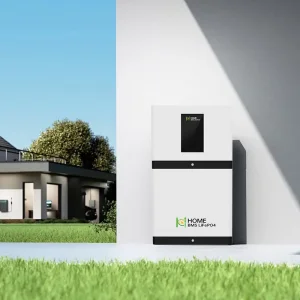
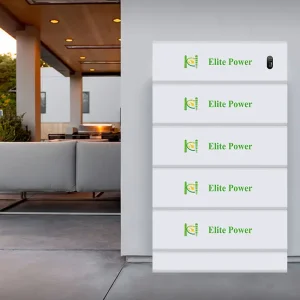
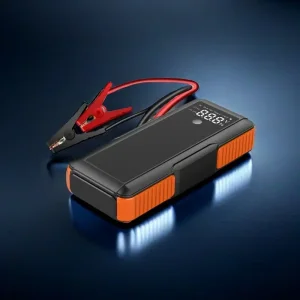
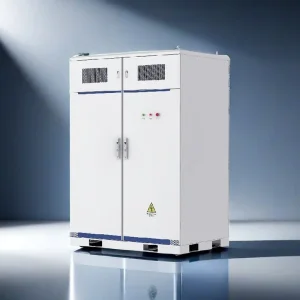
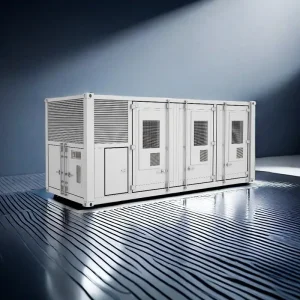
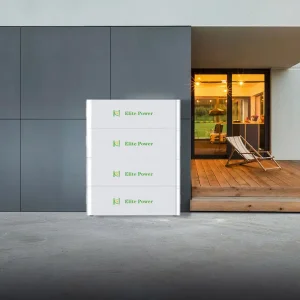
As an integrated, modern energy enterprise, we bridge the gap between scientific research, industrial design, high-capacity manufacturing, and global sales channels. We focus on intelligent, green, and highly efficient new energy solutions. Our broad product portfolio covers household energy storage systems, industrial and commercial energy storage cabinets, energy storage containers, super capacitor jump starters, portable power stations, truck lithium batteries, and smart home furniture batteries.
This diverse expertise in energy management and power conversion enables us to design and manufacture USB-C chargers and adapters that meet the highest standards of safety, thermal performance, and efficiency.
We hold certified compliance with ISO 9001:2015 Quality Management Systems and ISO 14001:2015 Environmental Management Systems. In 2022, we established a strategic cooperation agreement with key US partners to co-develop the optical storage, micro-grid charging, and high-output electrical charging markets. Our deep experience ranges from consumer-grade charging accessories to heavy truck parking batteries and emergency starter networks.

We operate with honesty, complete transparency, and strict intellectual property protection in all business relationships.

We push the boundaries of power design, safety protocols, and thermal architectures for a greener tomorrow.

We strive for excellence across our operations, from research and raw materials to customer service and delivery.

We believe mutual growth and strong partnerships are the keys to long-term commercial success.
Procuring high-performance charging systems on a global scale requires detailed planning and attention to compliance. Buyers must verify that products carry certifications for their destination markets: UL 62368-1 for North America, CE (LVD/EMC) for Europe, PSE for Japan, and KC for South Korea. Sourcing from a partner like ELITE POWER, whose designs are pre-certified for international safety compliance, helps prevent customs delays and product compliance issues.
In addition to regulatory compliance, companies should evaluate potential partners' manufacturing capabilities. An ideal ODM partner should offer:
A secure supply chain also relies on manufacturing location options. With operations across Hong Kong, Shenzhen, and Dongguan, we provide flexible logistics solutions, custom customs processing, and reliable supply lines that help mitigate international tariff and supply chain risks.
Different global markets and industries require tailored charger designs. For example, chargers used in corporate office environments focus on providing multiple ports and high output power to clean up workspaces. In contrast, chargers destined for educational markets focus on ruggedized casings, thick stress-relieved cords, and tamper-resistant enclosures to withstand daily school use.
In smart home and furniture design, we integrate low-profile, low-thermal chargers directly into seating, conference tables, and nightstands. These integrations rely on custom-engineered, ultra-thin profiles and advanced heat dissipation systems to keep the furniture cool and safe.
For industrial settings, chargers must be built to withstand challenging environments. In these use cases, we design chargers with IP67 dust and water resistance, oil-resistant cables, and vibration-dampened internals, ensuring reliable charging for devices in logistics, construction, and outdoor fieldwork.
 ELITE POWER