Explore our top-tier OEM/ODM solar systems, supercapacitor jump starters, and specialized medical power adaptors.

A comprehensive analytical guide to Maximum Power Point Tracking (MPPT) technologies, manufacturing standards, and system topologies.
In modern solar photovoltaic (PV) engineering, the Maximum Power Point Tracking (MPPT) charge controller functions as the critical intelligence hub that optimizes the transfer of energy from solar arrays to energy storage systems. Unlike legacy Pulse Width Modulation (PWM) systems, which clamp PV module voltages close to the battery terminal voltage, MPPT controllers utilize advanced Buck or Buck-Boost high-frequency DC-DC converters.
By constantly evaluating the voltage (V) and current (I) metrics of the solar array, the MPPT controller determines the exact mathematical point at which the product of current and voltage yields the maximum power outlet (P = V × I). Under cold environmental conditions or when the battery voltage is significantly depleted, PV panels run at dynamic voltages far higher than standard battery architectures. An industrial OEM MPPT controller recovers this thermal-dynamic delta, boosting total charging efficiency by up to 30% compared to PWM technology.
The tracking speed and overall effectiveness of an MPPT charge controller are directly constrained by its internal microprocessor algorithms. Elite engineering factories incorporate two primary digital signal processing (DSP) control schemes:
Advanced OEM factories now integrate Multi-Peak Tracking algorithms. In heavy shade setups, standard controllers can get locked into low local power peaks. Multi-peak sweeps scan the entire voltage curve to isolate the true global maximum point, which is essential for massive scale systems.
When sourcing from an OEM MPPT charge controller factory, the physical board layout and raw component quality determine the system's operational lifespan. Key components include:
Solid-State Switching (MOSFETs): Elite manufacturers utilize premium wide-bandgap materials such as Silicon Carbide (SiC) or Gallium Nitride (GaN) transistors rather than legacy silicon switches. This minimizes switching losses and guarantees thermal control, even when processing high currents at high system temperatures.
Heavy-Duty Heat Dissipation: High-performance MPPT controllers utilize die-cast aluminum enclosures that function as integrated heat sinks. Natural convection cooling eliminates internal fans, which are prone to dust blockages and mechanical failures in rural solar installations.
From remote off-grid telecom stations to multi-megawatt commercial energy arrays, MPPT controllers serve as the foundation of energy reliability.
Telecom towers situated in rural or extreme weather areas rely on continuous power. Multi-stage MPPT systems regulate energy flow to protect and extend lithium-iron phosphate battery lifecycles.
Combining wind, diesel generators, and solar PV. Custom OEM MPPT controllers communicate via Modbus RTU or CAN bus protocols, feeding diagnostic telemetry into central SCADA systems.
Providing compact, high-efficiency MPPT modules with built-in Bluetooth for user apps. Highly optimized designs fit limited spaces while extracting maximum power from small arrays.
ELITE POWER is a specialized subsidiary of GRACE DEVELOPERS CO., LIMITED. With strategic corporate branches across Hong Kong, Shenzhen, and Dongguan, China, we operate as a new energy production enterprise integrating scientific research, industrial design, manufacturing, and global sales.
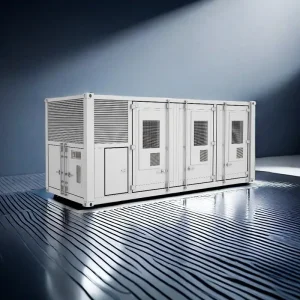
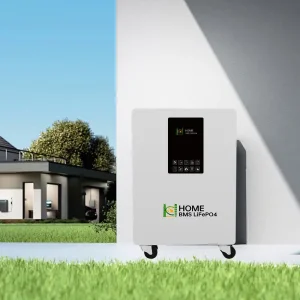
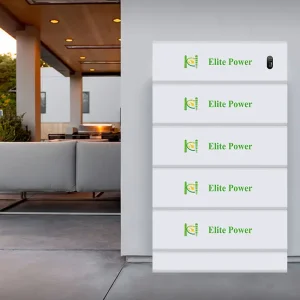
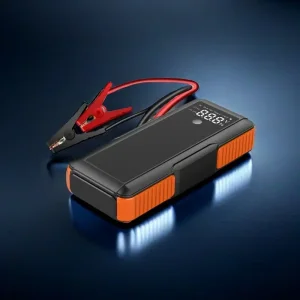
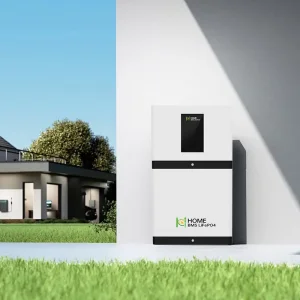
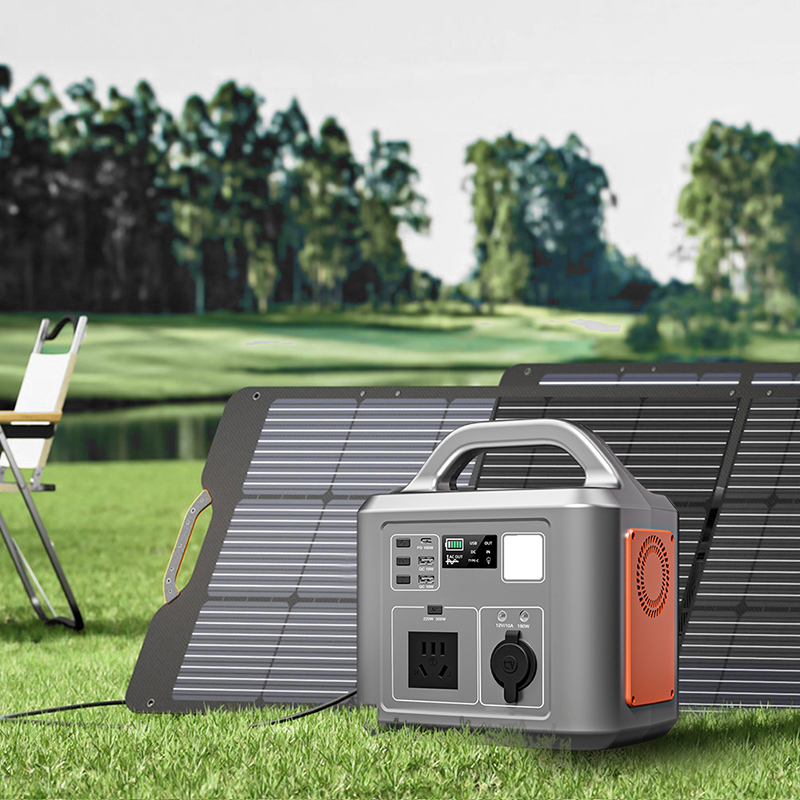
We focus on intelligent green new energy storage solutions. Our products include household energy storage systems, industrial and commercial energy storage cabinets, energy storage containers, super capacitor jump starters, portable power stations, truck lithium batteries, furniture batteries, and specialized chargers.
We have obtained ISO 9001:2015 quality management system and ISO 14001:2015 environmental management certifications. In 2022, we signed a strategic cooperation agreement with partners in the USA to develop the optical storage and charging system market, providing high-performance home, commercial, and industrial energy solutions.
Our team is committed to the highest operational standards to build long-term value for our international clients and partners.

We operate with honesty and transparency in all our business dealings.

We are committed to pushing the boundaries of renewable energy technology to create a greener future.

We strive for everything we do from product development to customer service.

We believe that teamwork and partnership are most important for partners.
Understand the essential hardware requirements needed to ensure compatibility with modern solar storage technologies.
Modern off-grid solar systems are rapidly shifting from Lead-Acid (AGM/Gel) to Lithium Iron Phosphate (LiFePO4). OEM MPPT controllers must feature custom charge profiles with adjustable absorption, float, and equalization voltages to prevent BMS (Battery Management System) lockouts and maximize overall cell health.
For commercial installations, high VOC (open circuit voltage) inputs up to 150V or 250V allow solar panels to be wired in longer series configurations. This reduces system wiring requirements, minimizes combiner box complexity, and decreases line power losses over long distances.
Industrial-grade systems must include active electronic protection mechanisms, such as PV reverse polarity protection, battery over-charge and over-discharge prevention, output short-circuit protection, TVS lightning protection, and thermal throttling limits.
Answers to common engineering questions regarding the selection, integration, and thermal management of solar charge controllers.
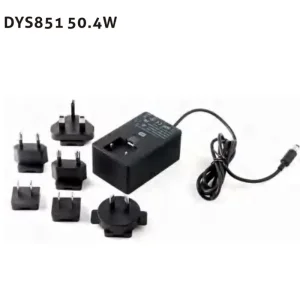
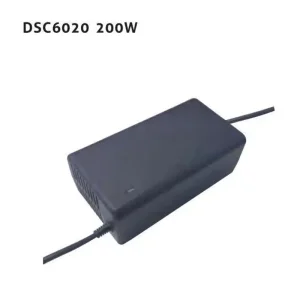
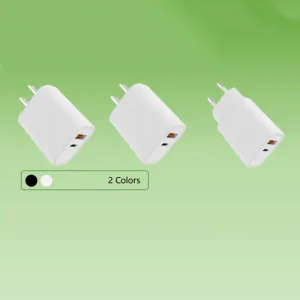
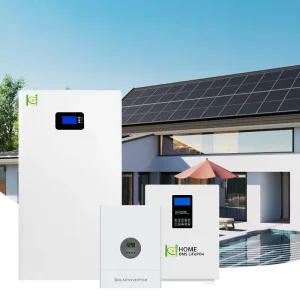
High-performance charging accessories, power adapters, and stackable home storage units designed for reliability.

 ELITE POWER