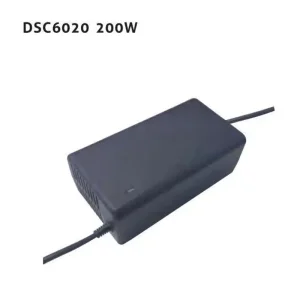
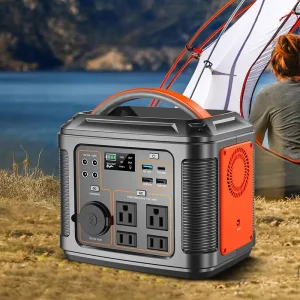
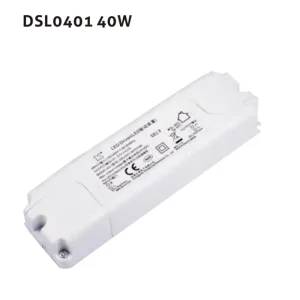
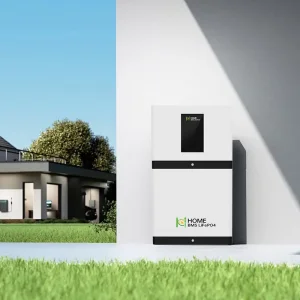
Explore our elite range of advanced power delivery modules, smart battery assemblies, and custom cabling designs engineered to support demanding commercial layouts.
In modern industrial and consumer ecosystems, the USB Type-C interface has transitioned from a standard data link to a primary vector for High-Wattage Power Delivery (USB-PD). As factories scale up automated production lines and enterprises deploy smart battery grids, the demand for high-durability, custom-molded OEM USB Type-C charging cables has skyrocketed. High-speed charging is no longer just about voltage; it is about signal integrity, thermal dissipation, and structural longevity.
Standard retail cables often fail under continuous workload pressures. Enterprise applications require highly specific engineering—such as custom AWG layouts, internal shielding metrics, E-Marker chip integration, and robust strain reliefs (SR) designed to withstand tens of thousands of flex cycles. By collaborating directly with professional OEM USB Type-C factories, businesses can customize core specifications to match exact power profiles, ensuring seamless compliance across multi-market rollouts.
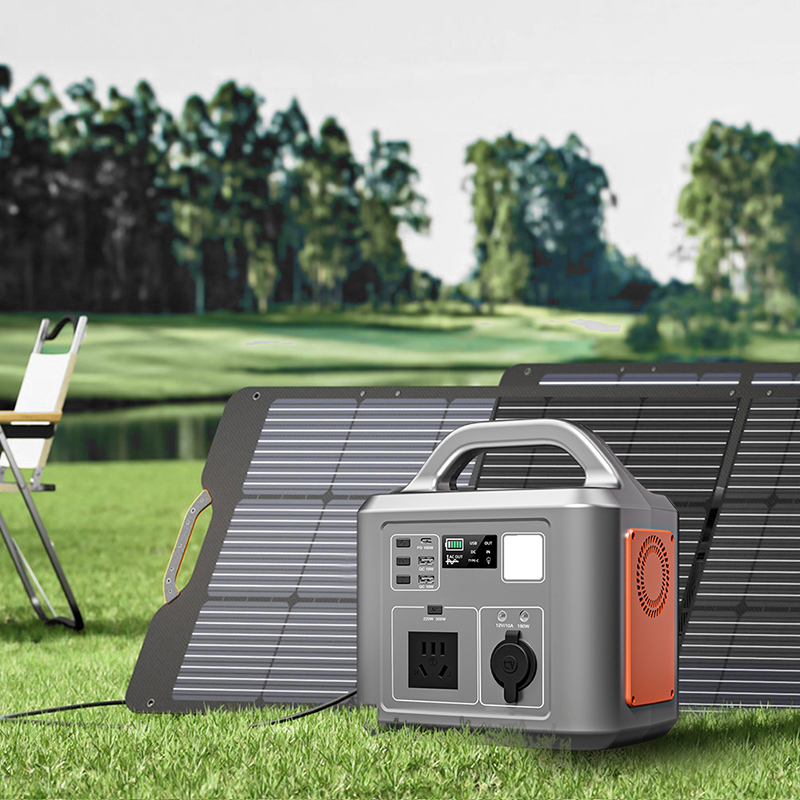
How OEM USB Type-C architectures are integrated into commercial, industrial, and high-tech ecosystems to drive reliable energy and data solutions.
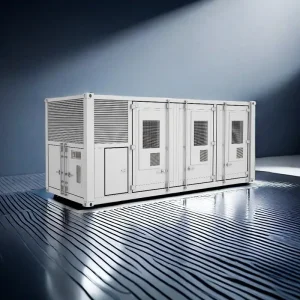
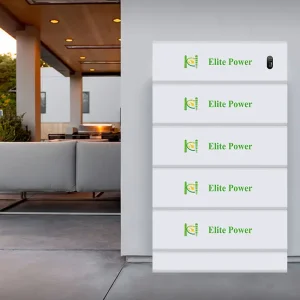
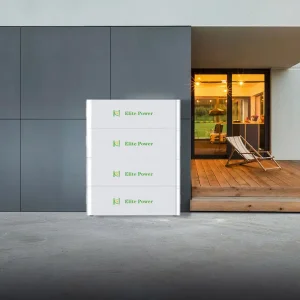
Heavy-duty power management systems, such as stackable home storage units (19.2KWH to 20.48KWH) and mega-scale storage containers (1MWH-2MWH), require auxiliary debug linkages and low-power charging channels. OEM USB-C cables with reinforced copper pathways act as critical configuration lines, enabling service engineers to monitor firmware and inject charge safely under varying outdoor temperatures.
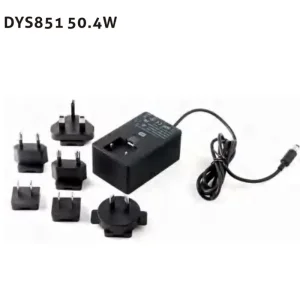
Medical power supplies must satisfy extreme EMI/RFI shielding rules and leakage current limits. Custom OEM USB Type-C lines built with halogen-free TPE jackets and multiple inner aluminum shields protect critical data transmission while supplying continuous 50.4W+ energy to portable diagnostics and bedside equipment in hospital complexes.
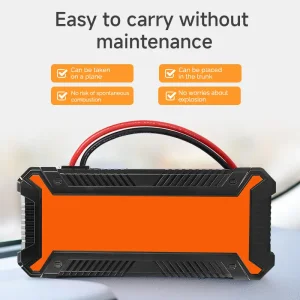
Modern commercial vehicles, heavy-duty trucks, and supercapacitor jump starters use Type-C lines for fast-charging control modules and user interfaces. Operating under high vibration and extreme engine-bay heat, these custom-molded cables resist degradation from oils, grease, and mechanical wear, ensuring critical emergency starts are never compromised.
ELITE POWER is a specialized subsidiary of GRACE DEVELOPERS CO., LIMITED. With key development hubs and factory structures established in Hong Kong, Shenzhen, and Dongguan, China, we operate as a unified, green-energy production enterprise that integrates scientific research, bespoke design, manufacturing, and global sales channels.
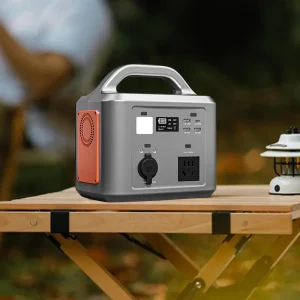
Our comprehensive research focuses on advanced energy storage solutions. Our production catalog spans domestic household energy storage arrays, industrial and commercial energy cabinets, megawatt-level energy containers, supercapacitor car starters, portable solar generators, commercial truck lithium packs, and high-performance battery assemblies for smart furniture. Because modern energy ecosystems are interconnected, our technical capability in micro-charging channels—like OEM USB Type-C and high-current adapters—remains a pillar of our continuous product integration.
Through our Strategic Partner alliances in the USA, EU, and Asia, we ensure that every custom cable and power module matches localized electrical laws, delivering reliable, high-performance power wherever it is deployed.
We believe in total reliability. Our factories enforce a rigorous quality control mechanism validated by international frameworks.
Standardized manufacturing workflow ensuring consistent batch output with zero defects.
Environmentally conscious production systems, using recycled materials and green energy.
Strategic cooperation with USA partners to build optical storage systems and heavy parking networks.
Ready-to-certify wire designs matching the latest USB-PD specifications (up to 240W EPR).
The structural pillars that drive our research, OEM design partnerships, and customer success across borders.


An engineering-level examination of high-wattage charging cable components designed for long-term operational resilience.
To safely carry currents of 3A or 5A, the inner power line configurations must be optimized. Our OEM cables utilize high-gauge Oxygen-Free Copper (OFC) cores, typically 22AWG or 20AWG for power lines, and 30AWG/32AWG for differential data paths. This configuration minimizes resistance, controls voltage drop across long runs (up to 3 meters), and curbs heat generation during 100W+ charging cycles.
Under the USB Power Delivery (USB-PD) protocol, cables delivering above 60W (up to 200W/240W in EPR) require an Electronically Marked Cable Assembly (EMCA) chip. Integrated directly into our custom Type-C connectors, the E-Marker chip negotiates power delivery profiles dynamically with the host device and power source, preventing voltage spikes and controlling smart thermal limits during heavy utilization.
Industrial machinery often generates high electromagnetic interference (EMI). To counter this, our Type-C cables are designed with multi-layer shield structures: individual inner core aluminum-foil shielding, a secondary overall tinned-copper braided shield (offering >85% coverage), and a dedicated drain wire. This prevents signal cross-talk and preserves clean data transfer streams even in loud factory locations.
We offer extensive customization for outer jackets, adapting products to specific environments:
Navigating complex international certifications, custom packaging, and localized engineering support for global OEMs.
Every market demands distinct environmental and safety markers. We lead designs through the certification pathways for UL, FCC, CE, UKCA, RoHS, and REACH. This ensures your brand is protected against liability and experiences zero regulatory delays at entry ports.
With offices and warehouses located in Hong Kong, Shenzhen, and Dongguan, we draw directly from the world's most dense electronics ecosystem. We manage shipping logistics, customs declarations, and direct-to-warehouse delivery schedules across North America, Europe, and Asia.
From injection-molded company logos, laser-engraved serial numbers, custom wire lengths (0.2m to 5m), specific jacket colorways to bespoke retail packaging and bulk industrial boxes—we offer complete OEM/ODM flexibility to reinforce your brand identity.
Technical and logistical insights to help your engineering and procurement teams make informed decisions.
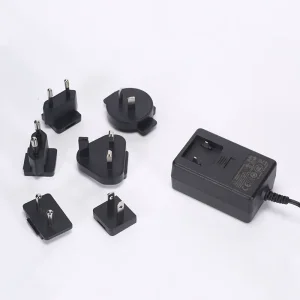
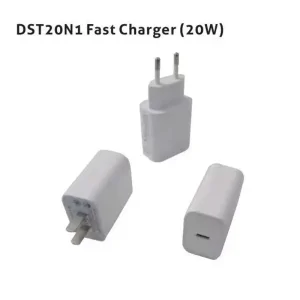
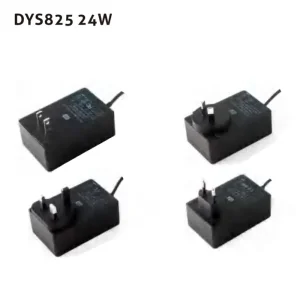
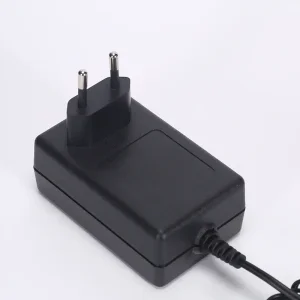
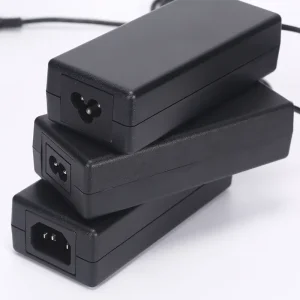
Explore our expanded inventory of precision-engineered industrial chargers, desktop battery controllers, and durable wall adapters.
 ELITE POWER