Engineered to meet the dynamic power demands of industrial applications, home microgrids, and portable electronics.
ELITE POWER is a specialized subsidiary of GRACE DEVELOPERS CO., LIMITED. Strategically operating across a tripartite manufacturing and corporate infrastructure in Hong Kong, Shenzhen, and Dongguan, China, we represent a seamless bridge between cutting-edge energy engineering and scalable industrial manufacturing.
We operate as a new energy production enterprise integrating scientific research, product design, custom engineering, and global logistics. Our core research focus spans the lifecycle of battery systems, focusing heavily on intelligent, green, and resilient energy architectures. We specialize in household energy storage systems, industrial and commercial energy storage cabinets (C&I ESS), scalable energy storage containers, heavy-duty truck parking batteries, high-discharge supercapacitor jump starters, and specialized furniture battery packs.
"By integrating advanced BMS engineering with highly localized manufacturing pipelines in China's Silicon Valley corridor, we deliver rechargeable battery systems that set industry benchmarks in safety, thermal stability, and cycle efficiency."
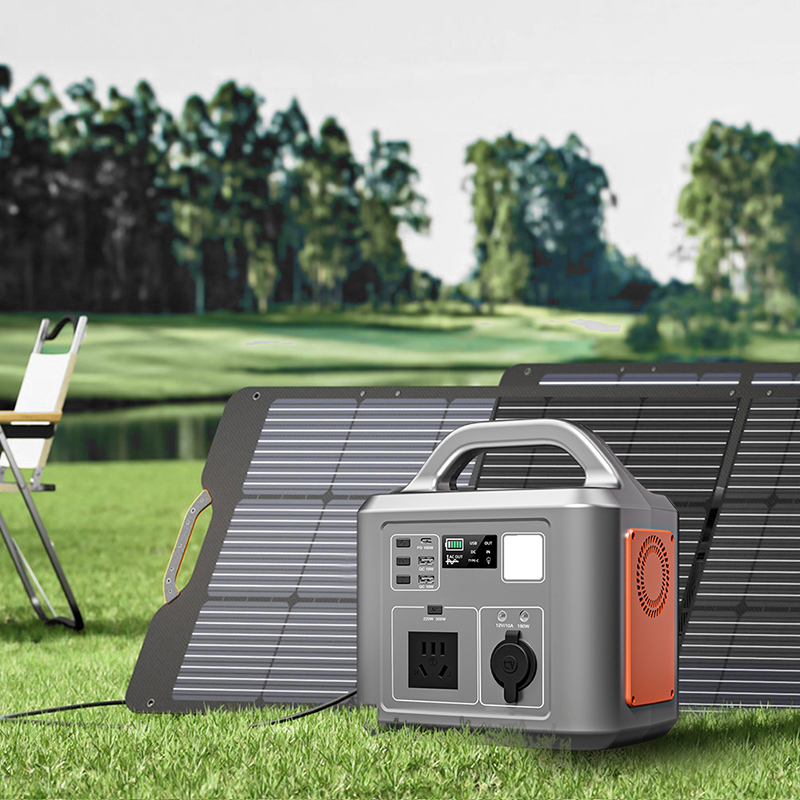
Unlocking cross-border supply chain synergy through certified quality and localized joint ventures.
To ensure reliable local distribution, compliance with the National Electrical Code (NEC), and fast regional technical support, ELITE POWER signed a landmark strategic cooperation agreement with major USA energy development partners in 2022. This ongoing partnership focuses on the deep integration and development of hybrid solar-storage and electric vehicle (EV) charging infrastructures across the United States.
Through this platform, we deliver residential energy storage, scalable industrial microgrids, heavy-duty commercial vehicle auxiliary systems (such as high-efficiency truck parking batteries), and emergency cold-start engine activation solutions. By combining state-of-the-art Chinese manufacturing efficiencies with localized US engineering consultation and warranty services, we offer an optimized path for B2B buyers looking to bypass traditional supply bottlenecks.
Engineered systems developed to address the specific performance parameters, safety requirements, and operational conditions of key industries.
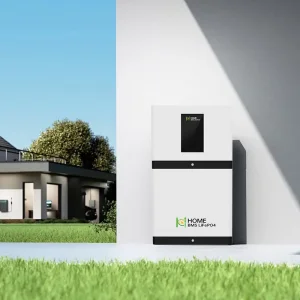
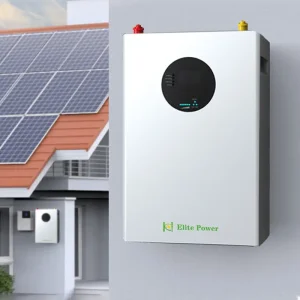
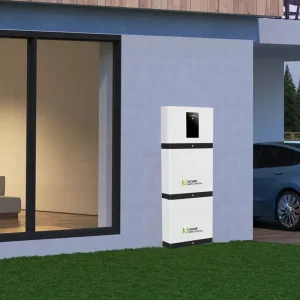
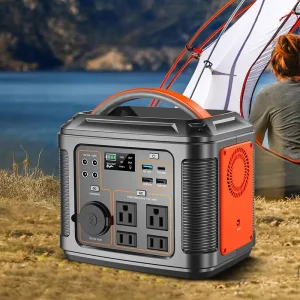
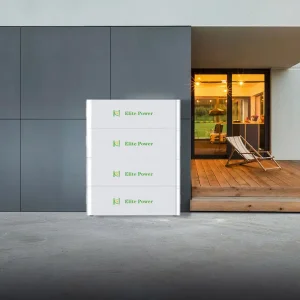
Custom Lithium Iron Phosphate (LiFePO4) chemistries optimized for long cycle life (6,000+ cycles at 80% DoD). We design stackable modules (up to 19.2kWh) and wall-mounted units (10.24kWh) with integrated active cell-balancing BMS, ensuring backup power during grid failures and peak-load shifting.
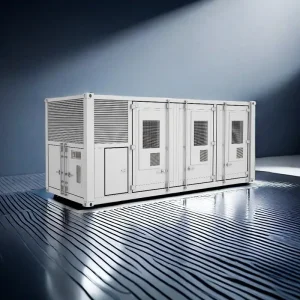
High-voltage containerized energy storage systems ranging from 1MWh to 2MWh configurations. Utilizing intelligent HVAC or liquid cooling technologies, these modular systems prevent thermal runaway cascade, providing reliable peak-shaving, reactive power support, and factory backup configurations.
Replacing diesel generator systems, our deep-cycle lithium-ion battery packs supply stable overnight power for heavy truck cabins, running heating, ventilation, and air conditioning (HVAC) systems silently without idling the engine, reducing fleet emissions and fuel consumption.
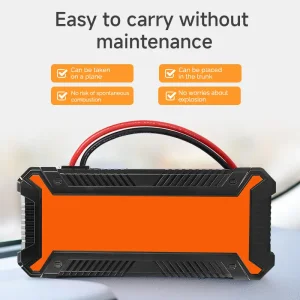
Utilizing high-power density supercapacitors (12V 500F configurations) instead of traditional chemical batteries. These systems facilitate instant, high-current discharge profiles to start heavy vehicle engines in extreme weather (-40°C to +65°C) without losing capacitance.
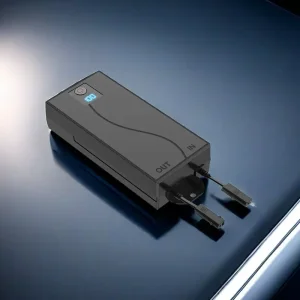
Specifically developed for modern residential spaces. Offering compact, reliable 2500mAh and 5000mAh lithium battery packs with custom brackets to sit within smart recliners, motorized adjusters, and smart desks, avoiding trailing floor cables while protecting aesthetics.
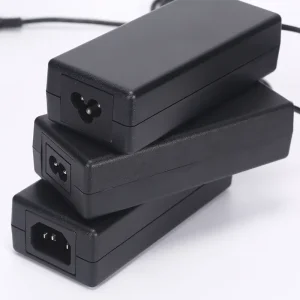
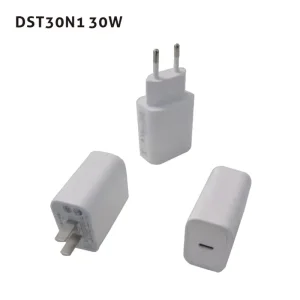
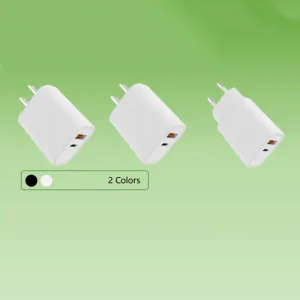
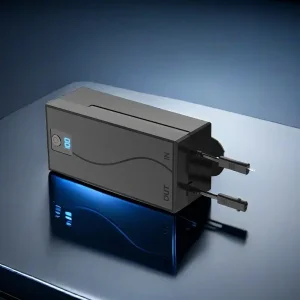
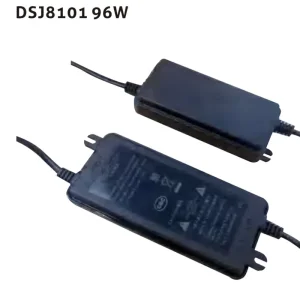
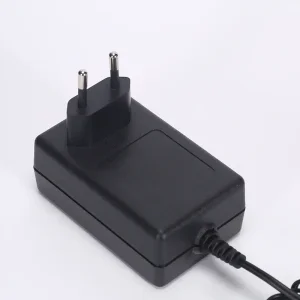
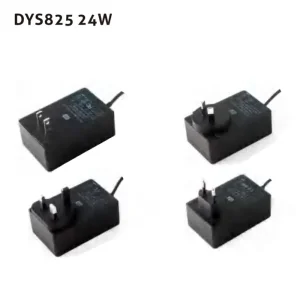
High-efficiency power conversion products ranging from IP67 waterproof 96W power adapters to medical-grade desktop/wall power supplies. Integrating advanced protection for over-voltage, over-current, and electromagnetic interference (EMI) compliance.
The operating principles guiding our engineering processes, quality control, and long-term business partnerships.

We prioritize transparency and professional honesty in all technical specifications, supply chain operations, and commercial agreements.

We continuously invest in next-generation R&D to improve battery energy density, cycle life, and thermal safety parameters.

We focus on detail throughout, from internal component placement and BMS testing to shipping and customer support.

We build sustainable partnerships that combine our production efficiency with our clients' regional market networks.
How our integrated Pearl River Delta logistics ecosystem secures production schedules, controls raw material quality, and minimizes unit costs.
By locating our design and production hubs in Dongguan and Shenzhen, we place our facilities in the global epicenter of battery component sourcing. This proximity allows us to work directly with major raw material producers, minimizing delays.
Our factory floors utilize semi-automated production lines equipped with modern welding rigs, automatic internal cell sorting machines, and multi-channel aging racks. Cells are matched using strict delta-voltage and internal resistance standards before assembly. This process minimizes voltage imbalance over time, extending the useful operating life of the completed pack.
Additionally, we employ advanced quality assurance checkpoints, from visual checks using automated optical inspection (AOI) to multi-stage load bank testing and vibration simulations, verifying connection integrity before packaging.
Our ongoing development focus for next-generation energy storage products.
Standardizing high-capacity cells (280Ah and 314Ah) for large commercial projects. Enhancing BMS telemetry using CAN-bus and Modbus TCP protocols to provide real-time state of health (SoH) diagnostics.
Beginning initial production of Sodium-Ion (Na-Ion) chemistry for cold-weather operations and entry-level home systems, reducing raw material cost dependencies.
Developing prototype solid-state cells with high energy densities (exceeding 400 Wh/kg) and low thermal risks for industrial and demanding mobility applications.
Critical checkpoints to assess when evaluating manufacturing partners and factories for rechargeable battery systems.
Detailed answers regarding cell chemistries, safety mechanisms, and custom manufacturing pipelines.
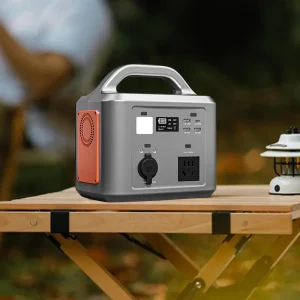
Heavy-duty energy storage containers, wall-mounted residential modules, and medical-grade power adapters.
 ELITE POWER